
Flowers
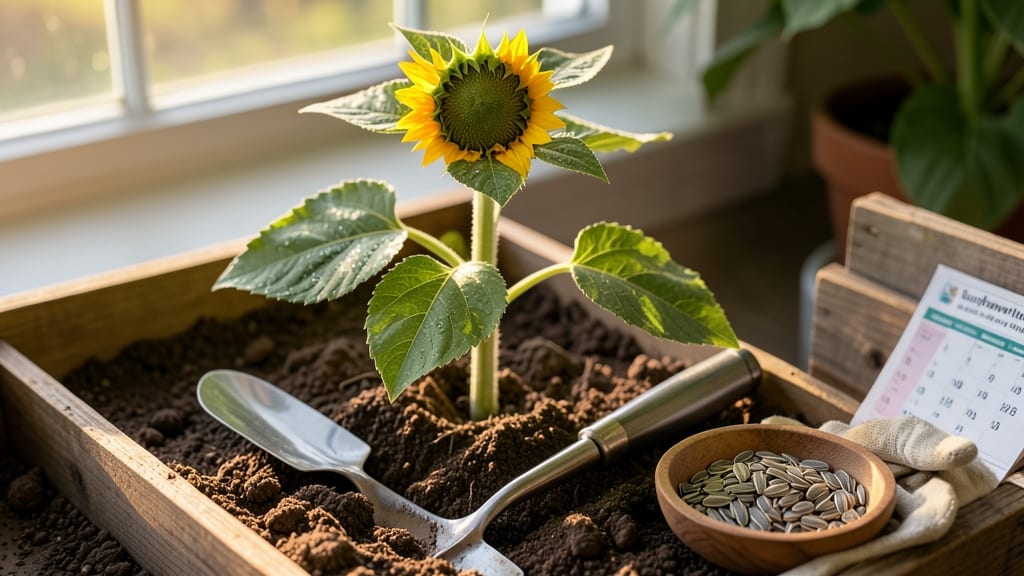
Planting sunflowers in Tennessee at the right time means the difference between towering, vibrant blooms and wilted disappointment.
With USDA zones 6a-7b offering a mix of early springs and long summers, timing your sunflower seeds correctly ensures they reach their full 3-14-foot potential—without getting crushed by late-season heat or frost.
Most Tennessee gardeners wait until after the last frost, typically mid-April to early June, when soil temperatures hit at least 50°F. But here’s the catch: East Tennessee’s cooler microclimates may need a later start, while West Tennessee’s warmer zones can handle earlier plantings.
Whether you’re sowing directly outdoors or starting seeds indoors, getting this right is the key to those iconic 🌻 faces lighting up your garden by late summer.
I’ve tested what works—and what doesn’t—in Tennessee’s diverse growing conditions. From adjusting for clay-heavy soils to choosing the fastest-blooming varieties, this guide cuts through the guesswork. You’ll learn exactly when to plant, how to prep your soil, and which companion plants keep your sunflowers thriving until harvest.
Ready to grow sunflowers that turn heads? Let’s dive into the zone-specific planting windows and pro tips that’ll have your garden standing tall all season long.
Best planting months for sunflowers in Tennessee by zone (6-8)
Tennessee’s USDA zones 6-8 create a perfect canvas for sunflowers, but timing is everything. The last average frost date across the state ranges from mid-March in Memphis (Zone 7b) to late April in the Smoky Mountains (Zone 6a).
Planting too early risks frost damage, while waiting too long may stunt growth before summer’s peak heat.
For optimal sunflower growth, focus on these ideal planting windows based on your zone. Most Tennessee gardeners see the best results by starting seeds indoors 2-3 weeks before the last frost or sowing directly outdoors once soil warms to 50°F+.
This ensures your sunflowers reach their full height potential before Tennessee’s humid summers arrive.
Here’s how to align your planting schedule with Tennessee’s microclimates and frost-free days:
| Zone | Last Frost Date | Ideal Planting Window | Direct Sowing Start | Bloom Time |
|---|---|---|---|---|
| 6a (East TN, Smokies) | Mid-April | Late April - Early May | After May 15 | Late July - September |
| 6b (Middle TN) | Early April | Early April - Late May | After April 15 | June - October |
| 7a (West TN, Nashville) | Late March | March 20 - June 1 | After March 30 | May - October |
| 7b (Memphis, Jackson) | Mid-March | Mid-March - Early June | After March 15 | April - November |
Notice how Zone 7b (like Memphis) offers a 6-month planting window, while Zone 6a (Appalachian foothills) narrows to just 2 months. This variation means Chattanooga gardeners should wait until May 1, while Nashville growers can start as early as March 20 for a longer harvest season.
For successful germination, aim to plant when your soil temperature consistently stays above 50°F. Use a soil thermometer to check—sunflowers won’t sprout in cold soil.
In West Tennessee’s warmer zones, you can even get a second planting in early July for fall blooms, though these may not reach full height.
Pro tip: Succession planting every 2 weeks from April to June ensures a continuous display of sunflowers throughout summer. This works especially well for dwarf varieties (like ‘Teddy Bear’) that bloom faster and handle late-season heat better.
If you’re in East Tennessee’s higher elevations, prioritize heat-tolerant varieties like ‘Moulin Rouge’ or ‘Autumn Beauty’. These handle shorter growing seasons while still producing vibrant blooms. For West Tennessee’s longer summers, tall varieties like ‘Russian Giant’ thrive when planted in early spring.
Remember: Sunflowers love heat, but they hate soggy soil. Tennessee’s summer humidity can lead to powdery mildew if plants get poor airflow. Space them 12-24 inches apart (depending on variety) to prevent this common issue.
For container growing in urban areas like Nashville or Knoxville, start seeds indoors 4-6 weeks before your last frost. Use 5-gallon pots for standard varieties and ensure they get full sun (6+ hours daily). Containers dry out faster, so water deeply every 2-3 days during summer.
Track your local frost dates using the Tennessee State University Extension’s frost calendar or apps like PlantNet. Adjust your schedule if you experience an early frost—sunflowers are annuals and won’t survive winter, so harvest seeds before the first frost if you want to save them for next year.
With the right timing, your Tennessee sunflowers can reach 10+ feet tall and bloom from June through October, adding bold color and pollinator support to your garden. 🌻
Best planting months for sunflowers in Tennessee by zone (6-8)
Tennessee’s USDA zones 6-8 create a unique challenge for sunflower lovers. The state’s last frost dates range from mid-March in West Tennessee to late April in the Appalachian Mountains, meaning your planting window shifts dramatically depending on where you live.
For zone 6a (eastern highlands), wait until mid-May to avoid frost damage, while zone 7b (Memphis area) can start as early as mid-April.
Sunflowers need consistent warmth to germinate, so soil temperatures below 50°F will stall growth. A soil thermometer is your best friend here—plant only when the ground stays above 55°F for at least a week.
This typically aligns with late April to early June across most of the state, giving your sunflowers 120-150 frost-free days to mature.
Here’s the zone-by-zone breakdown to maximize your sunflowers’ 3-14-foot potential:
| Zone | Last Frost Date | Ideal Planting Window | Days to Maturity | Height Potential |
|---|---|---|---|---|
| 6a (East TN) | Mid-April | Late May - Early June | 60-90 days | 6-12 ft |
| 6b (Middle TN) | Early April | Mid-April - Late May | 55-80 days | 8-14 ft |
| 7a (West TN) | Mid-March | Mid-April - Early June | 50-75 days | 10-14 ft |
| 7b (Far West TN) | Late February | Early April - Mid-June | 45-70 days | 12-14 ft |
Pro tip: If you’re in zone 7b and want extra-tall sunflowers, try a two-planting strategy. Sow a few seeds in early April for early blooms, then follow up with a mid-May planting to extend your harvest into October.
This works especially well for varieties like 'Mammoth', which can reach 14 feet when given enough time.
Remember, sunflowers are fast growers—some varieties like 'Autumn Beauty' mature in just 55 days. Planting too early in cooler zones risks stem rot from prolonged damp soil, while late plantings may not reach full height before first frost.
Aim for 60-75 days before your average first frost date (usually mid-October), and your sunflowers will have time to soak up sunlight and grow strong.
For urban gardeners with limited space, dwarf varieties like 'Teddy Bear' (3-4 feet) can be planted as late as early June and still bloom by September. Their shorter stature makes them perfect for containers or small yards, but they’ll need extra fertilizer to compensate for their reduced root systems.