
Plants
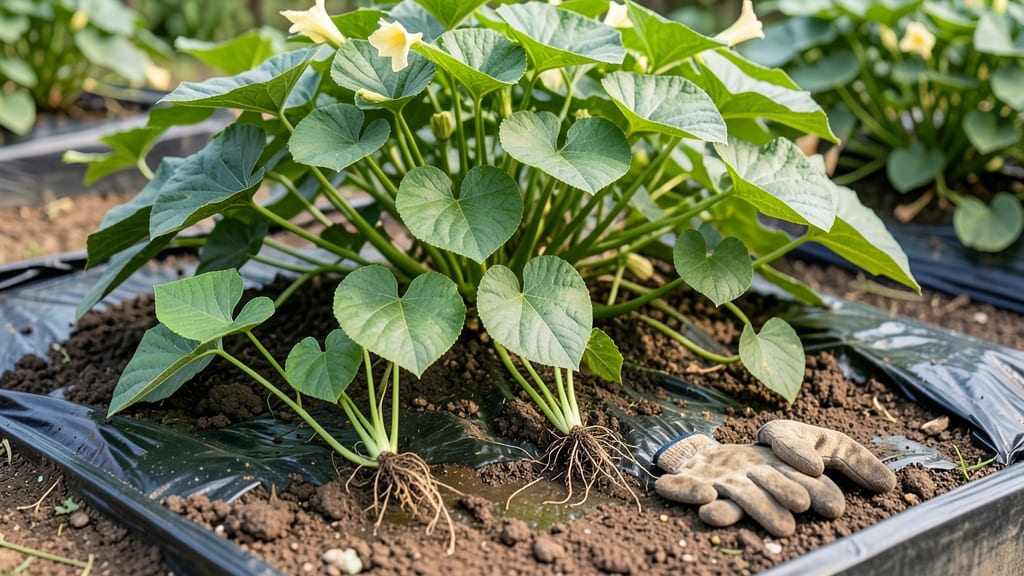
Planting sweet potatoes in Louisiana at the wrong time can mean the difference between a bountiful harvest and wasted effort. With USDA zones 8a-9b offering a long growing season, timing your sweet potato 🍠 slips or seeds correctly is the key to avoiding common pitfalls like poor germination or disease.
Unlike cooler climates, Louisiana gardeners have a 6-month window to plant—starting as early as March—but soil temperature and humidity play critical roles. Planting too soon risks fungal issues, while waiting too long may shorten your harvest window before the first frost in December.
In this guide, I’ll break down the exact weeks before last frost to plant for maximum yield, including how Louisiana’s microclimates (like New Orleans vs. Shreveport) affect timing.
Whether you’re a seasoned gardener or trying sweet potatoes for the first time, these insights will help you plan for a successful harvest from September to November.
Ready to transform your garden? Let’s dive into the ideal planting schedule, soil prep tips, and how to choose the best varieties for Louisiana’s heat and humidity.
Louisiana sweet potato planting timeline: exact weeks before last frost for maximum yield
Louisiana’s warm, humid climate makes it one of the best states for growing sweet potatoes, but timing your planting is critical. The average last frost date in most of Louisiana falls around February 15, but soil temperatures and regional microclimates play a bigger role than frost alone.
For peak yields, aim to plant slips (young plants) when soil reaches 65°F (18°C)—typically 4-6 weeks after the last frost.
In USDA Zones 8a-9b, this usually translates to mid-March to early April for early varieties, with a second planting window opening in late May to early June for summer harvests.
Northern Louisiana (like Shreveport) may need to wait until late April, while southern regions (New Orleans) can start as early as mid-February if using row covers for protection.
Here’s the key: Planting too early risks fungal diseases from excess moisture, while planting too late shortens the growing season, leading to smaller tubers. Louisiana’s 240 frost-free days give you flexibility, but sweet potatoes need 90-150 days to mature—so calculate backward from your first expected frost (December 15).
For maximum yields, prioritize the spring planting window (March-April). This gives sweet potatoes enough time to develop large, sweet tubers before Louisiana’s humidity spikes in summer.
If you’re in southern Louisiana, you can even experiment with February plantings under protective covers, but monitor for early blight.
Pro tip: Use a soil thermometer to confirm temperatures—65°F (18°C) is non-negotiable. Cold soil delays germination and invites root rot. In northern Louisiana, wait until after Mother’s Day (mid-May) to avoid unexpected late frosts.
The Louisiana Climate Center reports that Shreveport’s last frost can occur as late as March 15, so adjust accordingly.
Don’t overlook the summer planting window (May-June). While yields may be smaller, these late-season sweet potatoes often taste sweeter due to Louisiana’s intense summer heat.
This method also helps rotate crops and extends your harvest into November. Just be prepared for more aggressive pest pressure like sweet potato weevils.
To stretch your growing season, consider row covers for early plantings or black plastic mulch to warm soil faster. In New Orleans, where the climate is milder, you can even plant year-round with proper protection. The key is consistent soil warmth—aim for 70°F+ (21°C) for optimal growth.
Remember: Sweet potatoes are heat-lovers, but they hate soggy soil. Louisiana’s high humidity means you’ll need to water deeply but infrequently—aim for 1-2 inches per week—to prevent fungal diseases like black rot. Mulching with straw or pine needles helps retain moisture while keeping roots cool.
For data-backed timing, check the Louisiana State University AgCenter’s frost maps or use the National Weather Service’s climate tools. These resources provide hyper-local frost dates that can shift your planting window by 2-3 weeks depending on your parish.
When in doubt, plant slips (not seeds)—they’re faster and more reliable in Louisiana’s climate.
How to adjust planting dates for Louisiana’s humidity and heat: avoiding common mistakes
Louisiana’s humidity and heat create unique challenges for sweet potato growers. Planting too early can lead to fungal diseases like black rot, while waiting too long may result in small, underdeveloped tubers.
The key is balancing soil warmth, moisture levels, and pest pressure—all of which shift dramatically after Memorial Day.
In southern Louisiana (e.g., New Orleans), the last frost typically occurs by mid-February, but sweet potatoes won’t thrive until soil temperatures hit 65°F (18°C)—usually by late March to early April.
Meanwhile, northern regions (e.g., Shreveport) may need to wait until mid-April due to cooler springs. Adjust your schedule based on your USDA Zone (8a-9b) and local weather trends.
Here’s the critical adjustment: Avoid planting before April 15 unless you’re in Zone 9b, where early March plantings can work with row covers to protect against slugs and early-morning dew.
After Memorial Day (late May), however, the heat and dryness shift in your favor—summer plantings often yield sweeter, larger tubers because the vines mature faster under intense sunlight.
🚨 Warning: Common Mistakes to Avoid
- Planting too early: Cool, wet soil breeds fungal diseases (e.g., black rot) and attracts slugs.
- Skipping soil warmth checks: Use a soil thermometer—sweet potatoes won’t sprout below 65°F (18°C).
- Overwatering in summer: Louisiana’s heat increases evaporation; water deeply but less frequently to encourage tuber development.
- Ignoring pest pressure: Sweet potato weevils and wireworms thrive in hot, dry conditions—use row covers or neem oil as a preventative.
Pro tip: If your slips wilt in afternoon heat, mulch heavily with straw to retain moisture and cool roots.
For maximum yield, aim to plant slips (young plants) between April 15 and June 1 in most of Louisiana. If you miss this window, late June plantings can still work but may require extra watering to compensate for summer droughts.
Always choose disease-resistant varieties like ‘Beauregard’ or ‘Centennial’—they handle Louisiana’s humidity swings better than standard types.
One final tip: Monitor your plants’ leaves. If they yellow or wilt by late afternoon, it’s a sign of heat stress or underwatering.
Adjust your irrigation schedule immediately—sweet potatoes need consistent moisture but hate soggy soil. A drip irrigation system is ideal for Louisiana’s unpredictable rain patterns.
By aligning your planting with soil warmth, humidity trends, and pest cycles, you’ll avoid the most common pitfalls—and enjoy a bountiful harvest of sweet, homegrown tubers by October or November. 🍠