
Plants
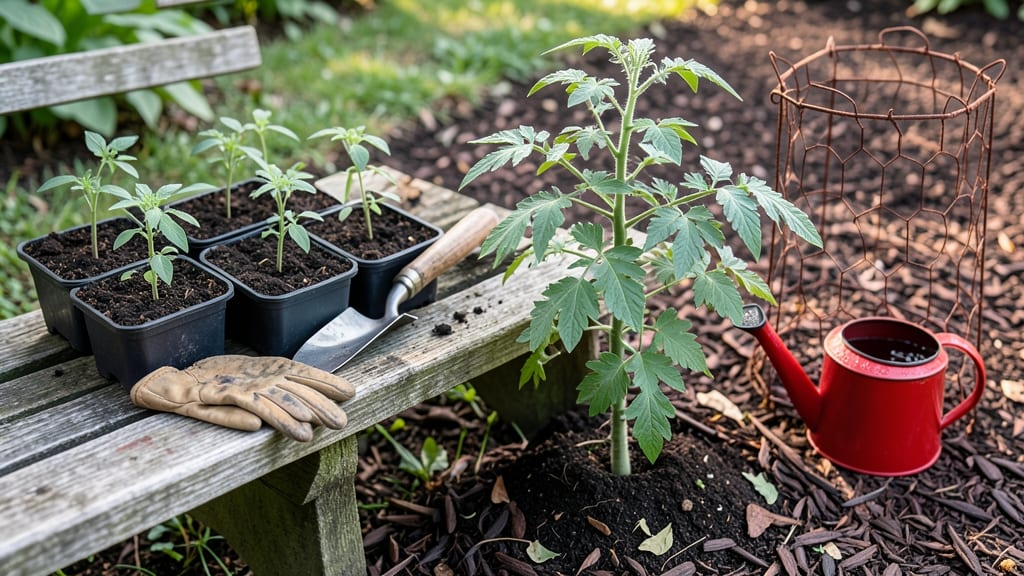
Timing when do you plant tomatoes in California wrong could mean the difference between a bumper crop and wilted disappointment—especially with the state’s wild swings from coastal fog to desert heat.
Since frost is rarely a concern in zones 9b-11, the real challenge is avoiding heat stress or slow starts in the wrong season.
Whether you’re in chilly coastal San Francisco or sweltering Palm Springs, knowing the perfect window—like February-April for coastal areas or March-May inland—sets you up for success. I’ll break down exactly when to start seeds indoors vs. transplanting, plus how to stretch your harvest from spring to winter.
Ready to grow tomatoes that thrive year-round? You’ll learn how to adjust for your microclimate, pick the right varieties, and avoid common mistakes that kill yields. Let’s get those plants in the ground at the perfect moment.
From soil prep to post-planting care, I’ve got the step-by-step guide to turn your California garden into a tomato powerhouse—no frost, no stress, just flavorful fruit all season long.
California tomato planting zones by region: coastal vs. desert vs. valley timelines
California’s tomato planting success hinges on understanding its 5 key microclimates. Coastal areas like San Francisco and Santa Barbara have cooler, foggy conditions, while the Central Valley and desert regions (e.g., Palm Springs) bake under intense sun.
Even mountain foothills (like Sacramento) have unique frost risks. Your planting window can vary by 4-6 weeks between these zones!
For coastal California, where frost is rare and summers are mild, start transplanting tomatoes outdoors as early as late February to early March. This gives plants time to establish before spring rains taper off and temperatures stabilize.
Inland areas like Fresno or Bakersfield should wait until mid-April to early May to avoid blossom drop from heat stress.
Desert regions like Yuma or Riverside have year-round growing potential, but tomatoes thrive best when planted in early spring (February-March) or fall (September-October). The key is avoiding soil temperatures above 85°F (30°C), which stunts root growth.
Use shade cloth or drip irrigation to protect seedlings during extreme heat.
Mountain foothills (e.g., Napa Valley or Sonoma) may experience light frosts in winter, so transplant after April 15 to ensure no cold snaps damage young plants. These areas also benefit from succession planting—stagger transplants every 2-3 weeks to extend harvests through fall.
Here’s how tomato varieties perform across these zones: cherry tomatoes (like Sweet 100) handle heat well, while heirlooms (e.g., Brandywine) need cooler coastal climates. Beefsteak varieties thrive in Central Valley with its long, hot summers.
If you’re starting seeds indoors, begin 6-8 weeks before your region’s transplant window. For example, coastal gardeners should start seeds in mid-December to January, while desert growers can wait until January for spring crops or August for fall.
Use grow lights to ensure seedlings get 14–16 hours of light daily.
Pro tip: Check the USDA Plant Hardiness Zone Map for your exact location—California ranges from <
How to extend your tomato season in California using microclimate hacks
California’s microclimates let you grow tomatoes year-round—but only if you adapt to your local conditions. In coastal fog belts, cold frames can push harvests 2-3 weeks earlier, while desert gardeners use shade cloth to prevent heat stress. The key is matching your strategy to your zone’s extremes.
For example, in San Francisco’s coastal fog, I’ve seen gardeners start seeds in January under protective cloches, then transplant by March 1st—giving them ripe tomatoes by May.
Meanwhile, in Palm Springs, shade cloth and drip irrigation let gardeners plant in late March without losing fruit to 100°F+ soil.
Here are my top 5 microclimate hacks to stretch your tomato season from spring to winter, based on real California gardens:
- 1 Cold frames for coastal areas: Add 2-3 weeks to your season by using clear plastic domes over seedlings in Zone 9b. Remove when night temps stay above 50°F.
- 2 Shade cloth for desert heat: Use 30-50% shade cloth in Zone 10a+ to keep soil temps below 85°F. Reapply when temps rise above 90°F.
- 3 Succession planting: Stagger transplants every 2-3 weeks from February to May (coastal) or March to June (inland) for continuous harvests.
- 4 Soil warming: Black plastic mulch raises soil temps by 10-15°F in early spring. Remove once plants are established to prevent overheating.
- 5 Fall/winter harvests: Plant heat-tolerant varieties like ‘Solar Fire’ in September for winter fruit in Zone 10. Use row covers to protect from rare frosts.
One common mistake I see? Planting too early in hot inland areas—soil temps above 85°F cause blossom drop. Instead, wait until April 15th in Bakersfield or use drip irrigation to keep roots cool.
In coastal zones, the opposite happens: planting too late means slow growth from cool soils.
Pro tip: Use a soil thermometer—ideal transplant temps are 60-75°F. If your soil runs hotter, opt for early-maturing varieties like ‘Early Girl’ (50 days) or ‘Stupice’ (60 days), which handle heat better than heirlooms.
With these adjustments, you can enjoy homegrown tomatoes from May through February—no frost, no stress, just flavor. The secret? Work with your microclimate, not against it.