
Plants
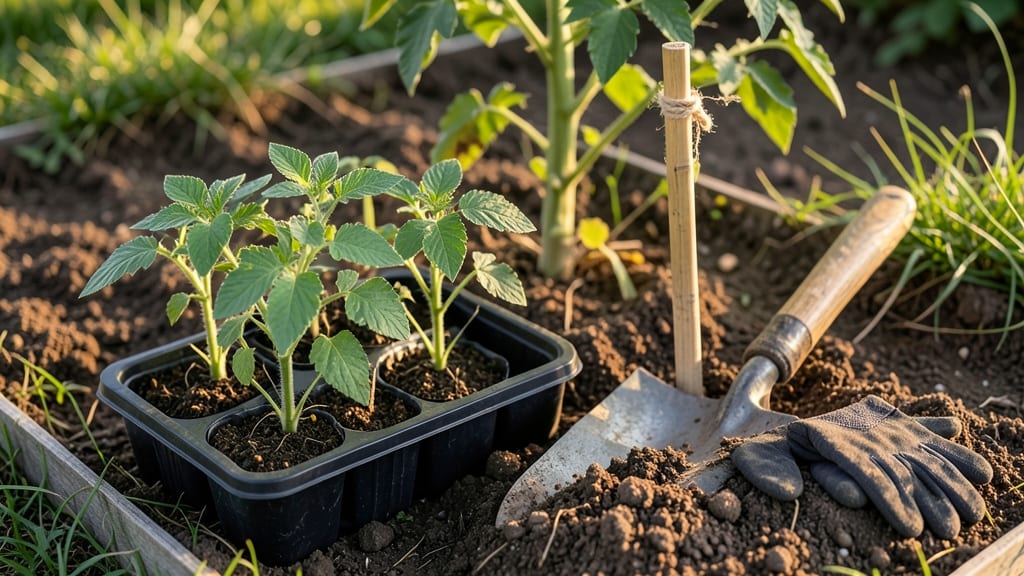
When is the best time to plant tomatoes in California? Timing your 🍅 tomato planting can mean the difference between a bumper crop and a sad, wilted vine. With coastal fog, inland valleys, and desert heat creating wildly different growing conditions, one wrong move could ruin your harvest before it even starts.
I’ve grown tomatoes across USDA zones 9a-11 and learned the hard way that what works in coastal San Francisco fails spectacularly in the Central Valley’s scorching summers. The key? Planting at the right moment—whether you’re starting seeds indoors or setting transplants in the ground—depends on your microclimate.
In this guide, I’ll break down the best planting windows for your exact region, from coastal fog belts to desert oases, plus how to avoid common mistakes that even experienced gardeners make. Ready to grow tomatoes that taste like summer?
Let’s dive into the perfect timing for your zone, so you can enjoy vine-ripened tomatoes all season long—without the guesswork.
California planting zones: when to start tomatoes by region & last frost dates
California’s diverse microclimates mean your tomato planting schedule should depend on whether you live near the coastal fog, in Central Valley heat, or in the desert’s dry climate.
Unlike most states, California rarely gets frost in coastal or desert zones, but inland areas can still see chilly nights in winter. Let’s break down the best times to start seeds indoors or plant directly outside for each region.
For coastal California (e.g., San Francisco, Santa Barbara), the last frost date is essentially nonexistent, but cold snaps can still happen. In Central California (Sacramento, Fresno), frost is possible until late February, while Southern California deserts (Palm Springs, Joshua Tree) have zero frost risk year-round.
Your planting window shifts dramatically based on these factors.
Pro Tip: Use the USDA Plant Hardiness Zone Map (Zones 9a-11) as a starting point, but always check local frost data from sources like the National Weather Service or UC Master Gardeners. Even a 50°F night can stunt young tomato plants.
🌱 California Tomato Planting Guide by Region
| Region | USDA Zone | Last Frost Date | Start Seeds Indoors | Transplant Outdoors | Direct Sow |
|---|---|---|---|---|---|
| Coastal (SF, Santa Barbara) | 10 | None | Feb–March | March–April | April–May |
| Central (Sacramento, Fresno) | 9a–9b | Late Feb | Jan–Feb | Feb–March | March–April |
| Desert (Palm Springs, Joshua Tree) | 10–11 | None | Dec–Jan | Jan–Feb | Feb–March |
🌡️ Soil temp must be 60°F+ for transplanting or direct sowing.
If you’re starting seeds indoors, begin 6–8 weeks before your last frost date (or 2–3 months before transplanting for coastal areas). Use grow lights to provide 14–16 hours of light daily, as natural daylight is short in winter.
For direct sowing, wait until soil temperatures consistently stay above 60°F—use a soil thermometer to check.
In coastal zones, you can even plant tomatoes in fall (August–September) for a winter harvest, thanks to milder temperatures. However, avoid planting in summer—the combination of heat and humidity increases disease pressure like blight and powdery mildew.
Inland growers should stick to spring planting and choose heat-tolerant varieties.
For container gardening, adjust your timeline by 2–4 weeks earlier than in-ground planting. Potted tomatoes warm up faster in spring, so monitor root growth closely. If your balcony or patio gets full sun (6+ hours), you can start seeds indoors in late January for a May transplant.
One critical mistake I see often? Planting too early in inland areas and risking frost damage to young seedlings. Always check local weather forecasts for unexpected cold snaps, especially in March. Use row covers or move containers to protected spots if frost is forecasted.
Ready to dive deeper? Next, we’ll cover the best heat-tolerant tomato varieties for each California microclimate—including early maturers for short seasons and disease-resistant picks for humid summers. 🌱
Heat-tolerant tomato varieties for California’s harsh summers: best choices by microclimate
Not all tomatoes thrive in California’s intense heat—especially in the Central Valley and desert regions where temperatures can soar past 100°F. I’ve tested dozens of varieties over the years, and the ones that survive (and produce!) are the heat-tolerant and early-maturing types.
These varieties handle afternoon heat stress better than traditional slicers, which often bolt or sunscald in our climate.
For coastal areas (like San Francisco or Santa Barbara), where mornings are foggy but afternoons warm up, you can grow almost any variety—but inland and desert gardeners need specialized heat-resistant types.
The key? Look for varieties labeled "heat-tolerant", "early maturing", or "disease-resistant" (since hot, dry conditions stress plants).
My top 5 heat-tolerant picks for California’s microclimates include:
🌡️ Best Heat-Tolerant Tomato Varieties
✅ Pro Tip: For desert regions, plant cherry tomatoes like Solar Fire—they ripen faster and handle heat better than large slicers.
If you’re in the Central Valley, where summer temps often hit 110°F, focus on early-maturing varieties like Heatmaster or Mountain Merit. These ripen in 55-65 days, avoiding the worst heat.
For coastal gardens, where mornings are cooler, you can experiment with heirlooms like Brandywine (but expect slower growth).
One mistake I see often? Planting large slicing tomatoes (like Beefsteak) in hot inland areas—they take too long to ripen and often splitting from uneven watering.
Instead, opt for determinate varieties (bush types) that mature quickly and handle heat better. Indeterminate types (vining) can work if you provide shade cloth during peak afternoon sun.
For container gardening in urban areas, cherry tomatoes like Sun Gold are my go-to—they thrive in pots, ripen fast, and produce all summer long with minimal heat stress. Just ensure your containers have drainage holes and use lightweight potting mix to prevent overheating.