
Plants
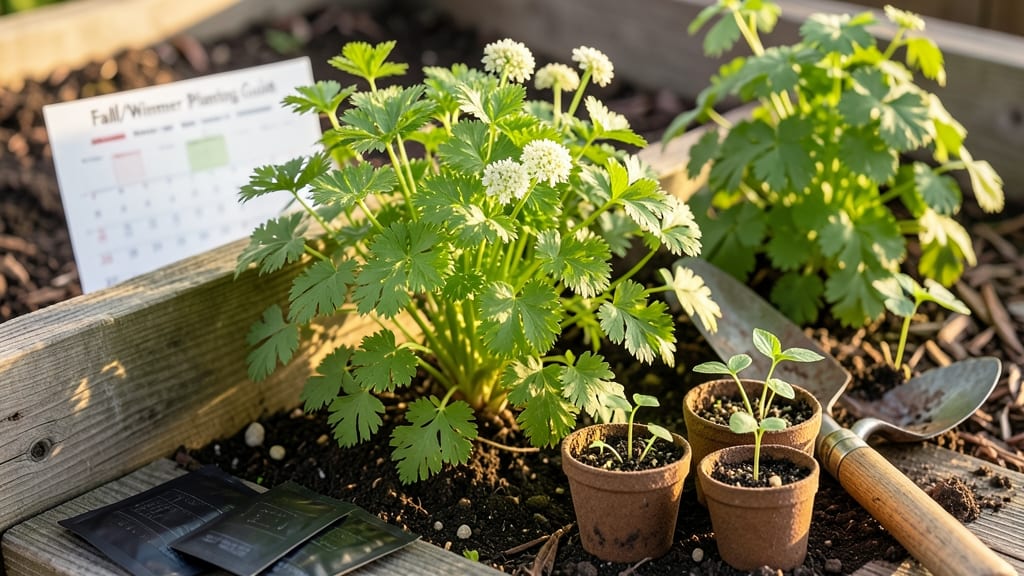
If you’ve ever planted cilantro 🌿 in Southern California only to watch it bolt into flowers before you can harvest a single leaf, you’re not alone. The key to growing lush, flavorful cilantro in our 9b-11 climate isn’t just about watering—it’s about timing.
Most gardeners miss the ideal planting windows of September-October and February-March, when temperatures are cool enough to prevent bolting but warm enough for steady growth. Plant too early, and the heat will send your cilantro racing toward flowers. Too late, and you’ll struggle with stunted leaves.
I’ve tested the best strategies for SoCal’s microclimates—from coastal breezes to inland valleys—and what works (and what doesn’t) for zero-bolt cilantro. Whether you’re a beginner or a seasoned gardener, these insights will help you time your plantings perfectly.
Let’s dive into the exact schedule, soil tricks, and variety picks that keep your cilantro thriving from October to May, so you can enjoy fresh leaves all season long.
Optimal planting windows for cilantro in Southern California’s microclimates
Southern California’s Mediterranean climate creates three distinct cilantro-growing zones: coastal, inland, and desert. Each has unique temperature patterns that dictate planting windows. Coastal areas (like San Diego) enjoy milder winters, while inland valleys (such as San Fernando Valley) face hotter summers and cooler nights.
Desert regions (like Palm Springs) have extreme heat, requiring even earlier planting.
For all zones, cilantro thrives in cool weather (60-75°F). The key is planting when daytime temps stay below 75°F and nights dip below 65°F. In SoCal, this means two primary windows: fall and early spring.
Let’s break down the best months for each microclimate to avoid bolting and maximize harvests.
🌿 Visual Guide: Planting Timeline by Zone
| Zone | Ideal Planting Months | Avoid Planting After | Key Tip |
|---|---|---|---|
| Coastal (e.g., LA, San Diego) | September–October, February–March | April (heat stress) | Use shade cloth in summer |
| Inland (e.g., Riverside, San Fernando) | August–September, January–February | March (bolting risk) | Plant near drip irrigation |
| Desert (e.g., Palm Springs, Joshua Tree) | July–August, December–January | February (extreme heat) | Use mulch to retain moisture |
In coastal areas, cilantro grows best from September through November and again from February to April. The ocean breeze moderates temps, but even here, April heat can trigger bolting.
For inland zones, start seeds in late August to establish roots before winter. Desert regions have the shortest window—plant in July for a fall harvest or December for spring.
Pro tip: Use a soil thermometer to monitor temps. Cilantro roots prefer 60–75°F soil. If temps rise above 80°F, the plant will bolt within 2–3 weeks. In coastal areas, this often happens by late April, while inland zones may see bolting as early as March.
For spring plantings, aim for February in coastal zones and January inland. Desert growers should plant in December to avoid the 100°F+ days of summer. Successive plantings every 3–4 weeks ensure a continuous supply.
For example, if you plant September 1st, follow up with September 22nd and October 13th for staggered harvests.
Microclimates matter! A San Diego backyard might see 10°F cooler nights than a Riverside garden just 50 miles away. Observe your local last frost date (though SoCal rarely freezes) and adjust. Coastal areas can push plantings slightly later, while inland zones should start earlier to beat the heat.
Soil prep is critical. Amend your beds with compost or aged manure to improve drainage—cilantro hates soggy roots. Add a 1-inch layer of mulch to retain moisture and regulate soil temperature.
In desert areas, drip irrigation is a game-changer, delivering water directly to roots without wetting leaves (which can cause fungal issues).
Variety selection also impacts timing. Slow-bolting varieties like ‘Calypso’ or ‘Santo’ tolerate slightly warmer temps than standard types. If you’re pushing the envelope (e.g., planting in April), choose these heat-tolerant options. Pair cilantro with shade-loving companions like lettuce or spinach to create a cooler microclimate for your herbs.
Remember: Timing is everything. Plant cilantro too early in SoCal’s heat, and you’ll watch it bolt before you can harvest. Plant too late, and you’ll struggle with stunted growth.
By following these zone-specific windows and using shade/mulch, you’ll enjoy fresh cilantro from fall through spring—no bolting in sight! 🌱
Optimal planting windows for cilantro in Southern California’s microclimates
Southern California’s Mediterranean climate creates three distinct microclimates—coastal, inland, and desert—each with unique planting windows for cilantro. The key is avoiding heat stress, which triggers bolting (flowering). My best results come from planting in September-October and February-March, when daytime temps stay below 75°F.
Coastal areas (like Los Angeles and San Diego) have milder winters, allowing cilantro to thrive year-round with proper shade. Inland valleys (e.g., San Fernando Valley) need earlier fall plantings, while desert regions (like Palm Springs) should focus on winter sowing.
Let’s break down the exact schedule for each zone.
⚠️ NON-NEGOTIABLE: Always check your local USDA Zone (9b-11)—even a 5°F difference can mean the difference between lush cilantro and bitter bolts.
| Microclimate | Best Planting Months | Ideal Soil Temp (°F) | Harvest Window | Shade Needs |
|---|---|---|---|---|
| Coastal (Zone 9b-10) | Sep-Oct, Feb-Mar | 60-70°F | Oct-Nov, Apr-May | 30% shade in summer |
| Inland Valleys (Zone 9a-10) | Aug-Sep, Jan-Feb | 55-65°F | Sep-Oct, Mar-Apr | 40% shade in summer |
| Desert (Zone 10b-11) | Nov-Dec, Jan | 50-60°F | Dec-Jan, Feb-Mar | 50% shade year-round |
For coastal gardeners, September is your golden window—plant seeds directly in well-draining soil mixed with compost. Inland areas should start late August to beat the October heatwave. Desert regions? Wait until November when nights dip below 60°F.
Pro tip: Use a soil thermometer to confirm temps—cilantro roots thrive at 60-70°F. If your soil runs hotter, delay planting by 2-3 weeks or use black plastic mulch to cool roots.
Remember, succession planting every 3-4 weeks ensures a steady supply. My October batch always outlasts the February one—cooler coastal breezes keep it happy longer.