
Plants
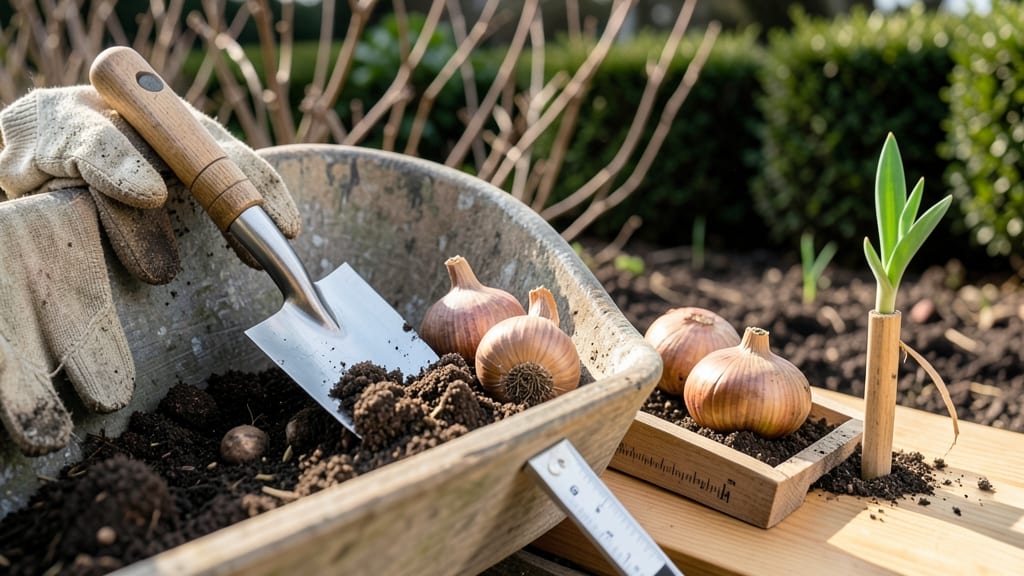
Planting tulip bulbs 🌷 in Illinois at the wrong time can leave you staring at bare soil come spring—no blooms, just disappointment. The key to show-stopping spring displays lies in timing your planting to the exact weeks before frost, not just guessing when "fall" starts.
For Illinois gardeners in zones 5b-6b, the ideal window is October through November, but there’s more to it than just picking a month.
Understanding your local frost dates—and how soil temperature plays a role—means the difference between tulips that bolt too early or survive winter to burst into color.
I’ll break down the science behind Illinois’ unpredictable weather patterns and give you a foolproof timeline. Whether you’re a first-time gardener or a seasoned pro, these tips will help you plant your tulip bulbs with confidence, ensuring they’ll be ready to bloom when spring arrives.
Ready to transform your garden? Let’s dive into the perfect planting schedule so you can enjoy vibrant tulips year after year without the guesswork.
Illinois tulip bulb planting timeline: weeks before frost for perfect blooms
Timing your tulip bulb planting in Illinois is all about beating the first frost while avoiding early bolting. Most gardeners in USDA zones 5b-7a (covering Chicago, Springfield, and Peoria) should plant between mid-October and mid-November.
This window ensures bulbs establish roots before the ground freezes but don’t sprout too early in warm fall weather.
The key is planting 4-6 weeks before your area’s average first frost date. In northern Illinois (zone 5b), aim for October 15-30, while southern Illinois (zone 6b) can wait until November 1-15. Check the USDA Plant Hardiness Zone Map for your exact location to fine-tune timing.
Missed the window? Don’t panic. You can plant as late as mid-December in milder microclimates, like near large bodies of water or in urban heat islands. Just use extra mulch to insulate the soil and protect the bulbs from freeze-thaw cycles.
For zero-bolt blooms, avoid planting too early (like September) unless you’re using cool-season varieties. Early planting can trick bulbs into sprouting before winter, leading to weak stems or frost damage.
🌱 Illinois Tulip Planting Timeline
| Region | USDA Zone | Ideal Planting Window | Soil Temp Goal (°F) | Notes |
|---|---|---|---|---|
| Northern IL (Chicago, DeKalb) | 5b | Oct 15–Nov 1 | 40–50°F | Frost risk by Nov 15 |
| Central IL (Springfield, Champaign) | 6a | Oct 30–Nov 15 | 45–55°F | Later frost dates |
| Southern IL (Carbondale, Marion) | 6b | Nov 1–Nov 20 | 50–60°F | Milder winters |
⚠️ Pro Tip: Use a soil thermometer to confirm temps. Plant when soil is below 60°F but above freezing.
Use this 6-week rule as your guide: Count backward from your first frost date. For example, if your frost date is November 15, plant by October 1. This ensures bulbs root deeply but don’t sprout prematurely.
For container gardening, plant bulbs in pots by late September to give them time to root before winter. Use well-draining mix and move containers to a protected location (like a garage) if temperatures drop below 20°F.
Adjust for microclimates—areas near lakes or buildings may stay warmer. Test your soil’s drainage first; tulips hate soggy soil. Amend with compost or sand if needed to prevent rot.
Remember: Early bloomers (like ‘Early Harbinger’) need earlier planting (by October 1), while late-season tulips (like ‘White Dream’) can wait until mid-November. Match your variety to your planting window for longer bloom seasons.
Plant too late? Don’t stress. Even if you miss the ideal window, bulbs planted in December can still survive if the ground isn’t frozen. Just add 3–4 inches of mulch to insulate them.
🌷 Key Takeaway: Illinois gardeners should plant tulip bulbs 4–6 weeks before frost, typically October 15–November 15, with adjustments for your specific zone and microclimate.
How to adjust planting for Illinois’ unpredictable weather patterns
Illinois’ unpredictable frost dates can throw off even the most experienced gardeners. While the ideal planting window is 4-6 weeks before the first frost, Illinois’ USDA Zones 5b-6b often see early freezes or late frosts that disrupt timing.
For example, Chicago’s average first frost is November 15, but 2022 saw it arrive as early as October 28. Adjustments are key to avoiding bolting or frost damage.
Start by checking your local frost date averages from the National Weather Service or Old Farmer’s Almanac. If your area leans toward early freezes, plant 6 weeks before the average date.
For regions with late frosts, like southern Illinois, you can push planting to late November—just ensure soil temps stay above 50°F for root growth.
Use a soil thermometer to confirm when temps drop below 40°F, signaling it’s time to mulch. A 4-inch layer of straw or shredded leaves insulates bulbs and prevents soil heaving during freeze-thaw cycles. This buffer zone is especially critical in Zone 5b, where winters can be harsh.
🌱 Warning: Late Planting Risks
Planting after November 15 in Illinois increases the risk of frost damage before bulbs establish roots. Bulbs planted in December may not bloom next year or could produce weak stems that flop in wind. If you miss the window, opt for hardy varieties like Darwin hybrids, which tolerate colder soils.
Avoid planting in waterlogged soil—Illinois’ heavy clay can suffocate bulbs. Amend with compost or sand to improve drainage, especially in low-lying areas where frost lingers.
For container gardening, move pots to a protected location (like a garage or under a porch) if temperatures dip below 20°F. Use black plastic mulch in garden beds to absorb heat during the day and release it slowly at night, extending the growing season by 1-2 weeks.
Monitor weekly forecasts in late October. If a hard freeze is predicted, cover newly planted bulbs with burlap or frost cloth until temps rise. This temporary shield prevents bulb desiccation while allowing roots to settle. Remember, well-established roots are far more resilient than tender shoots.
After planting, mark your tulip beds with stakes or flags to avoid disturbing them in spring. Illinois’ variable snow cover can shift soil levels, so a permanent marker ensures you don’t accidentally dig up bulbs during early spring cleanups.
Consistency in location helps bulbs naturalize over time, reducing the need for replanting.