
Plants
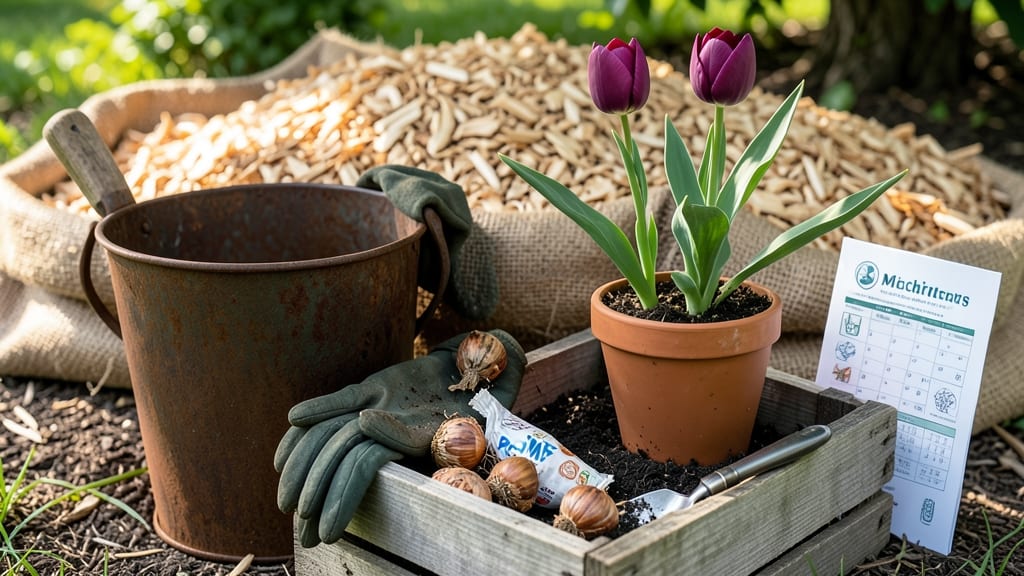
Planting tulip bulbs 🌷 in Michigan at the wrong time could mean missed blooms next spring—but timing it perfectly guarantees vibrant flowers that thrive despite our chilly winters. The key lies in understanding your USDA zone (5b-6b) and working with Michigan’s early frost dates, which typically arrive by mid-October.
Most gardeners in Michigan wait until October or November to plant tulips, giving the bulbs time to root before the ground freezes. This fall window is your best shot at zero-frost success, but soil temperatures and local conditions can shift the ideal date by weeks.
I’ll walk you through the exact steps to prepare your soil, choose the right bulb varieties, and plant them at the perfect depth—so you can enjoy those cheerful blooms from April to May without worry. Let’s get your Michigan garden ready for tulip perfection.
Whether you’re a first-time planter or a seasoned gardener, these tips will help you avoid common mistakes and ensure your tulips survive our harsh winters. Ready to dig in?
Michigan’s ideal tulip bulb planting window: exact dates by Zone
Michigan’s USDA zones 4-6 demand precision when planting tulip bulbs—timing can mean the difference between vibrant spring blooms and frozen disappointment. The ideal window is 4-6 weeks before ground freezes, typically mid-October to early November, but exact dates vary by region.
Northern Michigan (Zone 4) should plant earlier, while southern areas (Zone 6) have a slightly extended window.
For zero-frost success, aim to plant when soil temperatures drop to 50-60°F—this ensures bulbs root before winter sets in. Check your local first frost dates (usually mid-October) and work backward.
For example, if frost hits October 15th, plant by September 25th to give roots time to establish.
Michigan’s climate can be tricky—some years bring early freezes, while others linger warm. Use the Michigan State University Extension frost map or your local USDA Plant Hardiness Zone for guidance.
If you’re unsure, err on the side of earlier planting—bulbs can wait in a cool, dark place until conditions are right.
Here’s your zone-specific planting timeline for Michigan, including soil temperature thresholds and frost considerations:
| USDA Zone | Ideal Planting Window | Soil Temp Threshold | First Frost Date | Action Tip |
|---|---|---|---|---|
| Zone 4 (Northern MI) | Mid-September to early October | 50-60°F | Early to mid-October | Plant 6 weeks before frost—earlier is safer. |
| Zone 5 (Central MI) | Late September to mid-October | 50-60°F | Mid-October | Aim for late September if soil cools quickly. |
| Zone 6 (Southern MI) | October to early November | 50-60°F | Late October | Can plant later but avoid November—bulbs need root time. |
Pro tip: If you miss the fall window, tulip bulbs can be planted in early spring (March-April) in Michigan, but they’ll bloom later in the season. Spring-planted bulbs also risk squirrel theft—bury them deeper or use wire cages if this is a concern in your area.
To verify your local conditions, check the Michigan State University Extension’s frost calendar or use a soil thermometer (available at garden centers). If you’re in a microclimate (like a sheltered garden bed), you might have 1-2 extra weeks to plant compared to open areas.
Once you’ve nailed the timing, focus on soil preparation—tulips hate soggy soil. Amend your beds with compost or sand to improve drainage, and avoid planting in low-lying areas where water pools. Well-drained soil is your best frost-proofing strategy for Michigan winters.
Finally, mark your calendar for spring bulb care: Once tulips bloom, let the foliage yellow naturally—this feeds the bulb for next year’s flowers. Cutting it too soon weakens the bulb, leading to fewer blooms in future seasons.
With the right timing and prep, your Michigan tulip garden will reward you with bold, early spring color—just in time to chase those last winter chills away. 🌷
5 Critical steps to plant tulip bulbs for Michigan’s harsh winters
Planting tulip bulbs in Michigan isn’t just about timing—it’s about preparing your soil and protecting them from frost heave and freezing temperatures. Follow these 5 critical steps to ensure your bulbs survive the winter and bloom beautifully next spring.
Start by choosing a sunny spot with well-draining soil to prevent rot.
Before planting, test your soil’s pH—tulips thrive in neutral to slightly acidic soil (pH 6.0-7.0). If your soil is too alkaline, mix in compost or peat moss to adjust it.
Michigan’s clay-heavy soils often need amending with sand or compost to improve drainage, which is crucial for bulb health.
Here’s how to plant your bulbs for zero-frost success:
Dig holes 6-8 inches deep, about 3 times the bulb’s height. Space bulbs 4-6 inches apart for dwarf varieties or 6-8 inches apart for standard tulips.
Give bulbs a deep watering immediately after planting to settle the soil. Avoid overwatering, as soggy soil can cause rot—especially in Michigan’s wet springs.
Apply 3-4 inches of mulch (straw, shredded leaves, or pine needles) after the ground freezes. This insulates bulbs and prevents frost heave, which can push bulbs out of the soil.
Plant bulbs when soil temperatures drop to 40-50°F (typically late October in Michigan). Use a soil thermometer to track temps—wait until nighttime lows stay below 50°F.
Don’t plant bulbs too early—they need chilling time but can rot in warm soil. Also, avoid fertilizing in fall, as it encourages late growth that can freeze. Wait until spring to feed.
One of Michigan’s biggest challenges is frost heave, where bulbs are pushed out of the soil by freezing and thawing cycles. To prevent this, plant bulbs in groups (not rows) and use organic mulch like straw, which breaks down slowly and provides long-term insulation.
If you’re in Zone 4, opt for Darwin Hybrid tulips, which are the hardiest and most reliable for our climate.
After planting, mark your tulip beds with stakes or flags so you don’t accidentally dig them up in spring. Tulips are perennial in Michigan, but they often decline after 3-4 years.
Divide and replant bulbs every 3-5 years to keep your garden vibrant. With these steps, your tulips will survive Michigan’s winters and reward you with stunning spring blooms. 🌷