
Plants
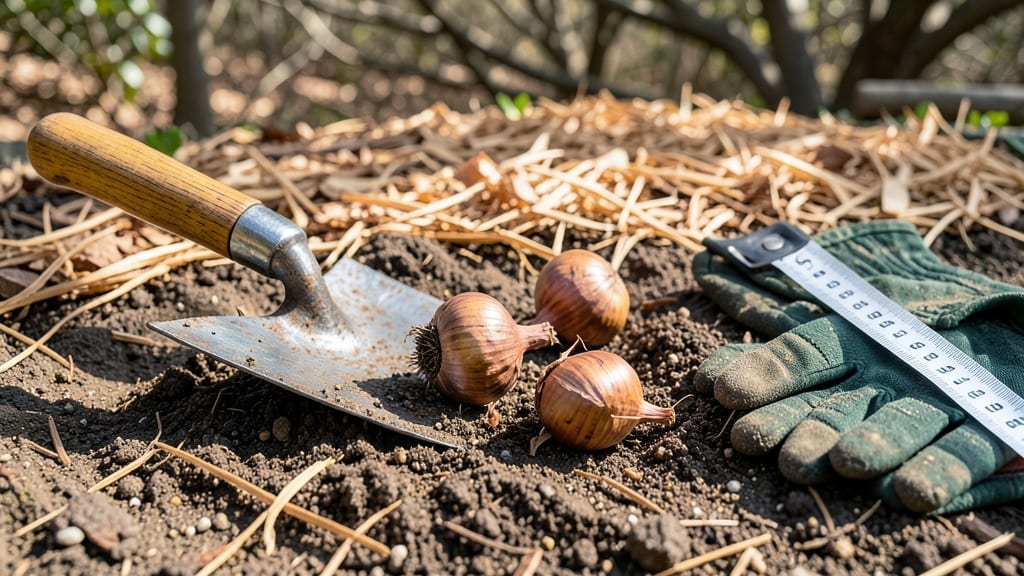
If you're dreaming of a spring garden bursting with color, timing is everything—and planting tulip bulbs in New Jersey at the wrong moment could mean missed blooms.
The ideal window for Zone 6B gardeners is between October and November, but getting it just right ensures your 🌷 thrive year after year.
New Jersey’s climate plays a big role in when to plant. Too early, and bulbs might sprout before winter sets in; too late, and they won’t establish roots before the ground freezes.
I’ll break down the exact frost-free window, soil prep tips, and how to adjust for North vs. South Jersey’s microclimates.
Whether you’re a first-time gardener or a seasoned pro, knowing the perfect planting schedule makes all the difference. Let’s dive into how to set your tulips up for success—so you can enjoy their vibrant blooms next spring without a hitch.
From soil temperature tricks to avoiding common mistakes, this guide will help you plant with confidence. Ready to turn your fall garden prep into a springtime showstopper?
Best planting timeline for tulip bulbs in New Jersey’s zone 6B climate
New Jersey’s Zone 6B climate creates a narrow but critical window for planting tulip bulbs—typically between mid-October and mid-November. This timing ensures bulbs establish roots before the ground freezes, usually around mid-November in most of NJ.
The goal? Plant when soil temps drop to 50–60°F but haven’t yet frozen solid.
For gardeners in North Jersey (e.g., Bergen County), aim for early October to early November, while South Jersey (e.g., Cape May) can extend planting until late November. Microclimates near water bodies or urban areas may experience earlier frosts, so monitor local forecasts or use a soil thermometer for precision.
🌱 Pro Tip: Use the 6-week rule—plant bulbs 4–6 weeks before the first hard frost. In NJ, this usually lands in late October, but adjust if your winter arrives early.
🌷 Tulip Planting Timeline for NJ (Zone 6B)
| Stage | Action | Soil Temp | Notes |
|---|---|---|---|
| Early October | Soil prep (loosen, amend) | 55–65°F | Add compost for drainage |
| Mid-October | Plant bulbs | 50–60°F | 6–8" deep, pointy end up |
| Late October | Mulch lightly | 45–55°F | 2–3" straw to insulate |
| November | Monitor frost | Below freezing | Avoid heavy mulch |
📅 Key Dates: First frost in NJ: Mid-November (varies by year).
If you miss the fall window, tulips can also be planted in early spring (March–April), but blooms may be delayed or less vibrant. Bulbs planted in spring need immediate watering and may struggle in heavy clay soils common in NJ without amendments.
🌡️ Soil Temperature Matters: Tulip bulbs need 4–6 weeks of cool soil (below 60°F) to root before winter. Use a soil thermometer to confirm—plant when temps consistently stay below 60°F at 4" depth.
For urban gardeners or those with containers, extend your window by using black plastic mulch or planting in well-draining raised beds. These methods warm soil faster in spring, giving you flexibility if frost arrives early.
🌿 Regional Adjustments: Gardeners in Highlands or Sussex County (higher elevations) should plant 2 weeks earlier due to colder microclimates. Conversely, coastal areas like Cape May can plant until late November thanks to milder winters.
Finally, avoid planting tulips in August or September—this risks premature sprouting, which weakens bulbs and leaves them vulnerable to frost damage. Stick to the October–November window, and your tulips will reward you with bold, early spring blooms year after year.
Best planting timeline for tulip bulbs in New Jersey’s zone 6B climate
New Jersey’s Zone 6B climate means your tulip bulbs need a precise window to establish roots before winter. The ideal planting time is between mid-October and mid-November, aligning with soil temperatures dropping to 50-60°F. This timing ensures bulbs root before the ground freezes, typically around mid-November.
For gardeners in North Jersey (e.g., Bergen County), aim for early October due to colder microclimates. In South Jersey (e.g., Cape May), you can extend planting until late November, as winters are slightly milder.
Always check your local first frost date—planting 4-6 weeks before frost is the golden rule.
| Month | Soil Temp | Action | Notes |
|---|---|---|---|
| September | 60-70°F | Soil prep only | Loosen soil, add compost |
| October | 50-60°F | Plant bulbs | Best for North Jersey |
| November | 40-50°F | Plant bulbs | Last chance for South Jersey |
| December | Below 40°F | Avoid planting | Bulbs won’t root |
Use a soil thermometer to verify temperatures—bulbs need 4-6 weeks of cool soil to root. If your soil stays warm late into fall (common in urban areas), opt for early October planting to avoid premature sprouting. Mulch with 2-3 inches of straw after planting to insulate bulbs and retain moisture.
Pro tip: In Zone 6B, tulips planted in November often outperform those planted earlier because they avoid late-season warmth. However, if your winter is unusually mild (e.g., 2022-2023), bulbs may sprout too soon—monitor soil temps closely.
For container gardening, plant bulbs in pots by late October and move them to a garage or cold frame if frost arrives early. This gives you flexibility to adjust planting timing based on your microclimate. Always ensure pots have drainage holes to prevent bulb rot.
Remember: The key to success is planting when soil is cool but not frozen. In New Jersey, this usually means October for North Jersey and November for South Jersey. With the right timing, your tulips will reward you with vibrant spring blooms year after year! 🌷