
Vegetables
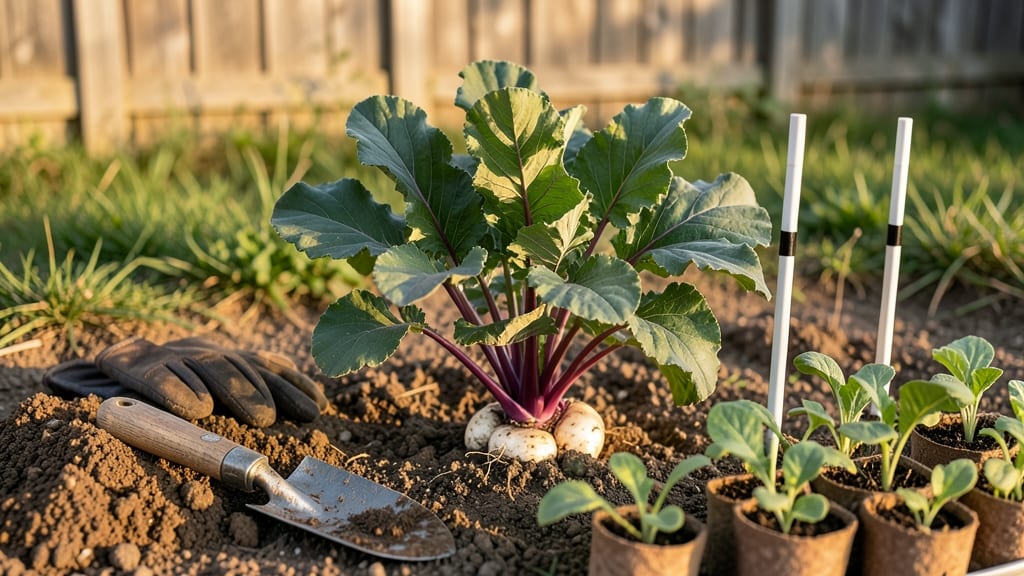
Planting turnips in the fall is your golden ticket to a sweet, crisp harvest—but timing is everything. Get it right, and you’ll enjoy tender roots and flavorful greens before winter sets in. Too early, and your turnips might bolt; too late, and frost will ruin your crop.
For most gardeners in Zone 6a, the ideal window is 4-6 weeks before the first frost, typically in late August or early September. This gives your 🥕 turnips enough time to mature before cold weather slows them down.
Fall planting isn’t just about dates—it’s also about choosing the right varieties and preparing your soil. Whether you’re a beginner or a seasoned gardener, these tips will help you avoid common mistakes and maximize your harvest.
Let’s break down the exact steps to ensure your turnips thrive, from soil prep to frost-proofing strategies. Ready to grow a bountiful fall crop?
Fall turnip planting deadlines by USDA hardiness Zone (with soil temp rules)
Timing is everything when it comes to fall turnip planting. Unlike spring plantings, fall turnips thrive when days grow shorter and temperatures cool. The key is planting 6-8 weeks before your first frost date—this ensures roots mature before winter sets in.
But your exact deadline depends on your USDA hardiness zone and soil temperatures.
In Zones 3-5, where winters arrive early, you’ll want to plant by mid-August at the latest. Warmer zones like 6-10 can stretch planting until mid-September or even early October.
The goal? Give turnips 40-60 days of growth before frost hits. Too early, and they’ll bolt; too late, and roots won’t develop properly.
Soil temperature is just as critical as air temperature. Turnip seeds need soil that’s at least 45°F to germinate, but they’ll struggle if it’s above 75°F.
In hot climates, wait until late summer when soil cools naturally. In cooler zones, a black plastic mulch can warm the soil enough for earlier planting.
Here’s the golden rule: Aim for a harvest before hard frosts (below 25°F). If you’re unsure about your frost date, check the USDA Plant Hardiness Zone Map or use a local frost calendar.
Most gardeners in Zone 7, for example, plant turnips by late August to harvest by mid-October.
| USDA Zone | Ideal Planting Window | Soil Temp (°F) | Last Chance Planting | Harvest Window |
|---|---|---|---|---|
| 3-5 | Late July to mid-August | 45-65°F | Early August | Late September to early October |
| 6-7 | Mid-August to early September | 50-70°F | Mid-September | Late October to November |
| 8-10 | Late August to early October | 55-75°F | Early October | November to December |
🌱 Pro Tip: Use a soil thermometer to confirm temps before planting.
If you’re in a warmer zone (8-10), you can sometimes push planting into early October, especially if you’re growing turnip greens instead of roots. Greens tolerate cooler temps better and can even survive light frosts.
However, roots need to be harvested before hard frosts or they’ll turn woody and bitter.
For container gardeners or those with limited space, focus on compact varieties like ‘Tokyo Cross’ or ‘Hakurei.’ These mature faster (around 30-40 days) and can be planted in small pots or window boxes as long as they get 6+ hours of sun.
Just be sure to use a well-draining potting mix to prevent rot.
One common mistake is planting turnips too close to frost. If you’re unsure about your exact frost date, err on the side of earlier planting. You can always thin seedlings if they get too crowded, but you can’t rush a harvest once frost hits.
And remember: fall turnips are sweeter than spring ones because cooler temps convert starches into sugars!
For gardeners in Zone 4 or colder, consider using row covers or cold frames to extend your harvest window. These tools can buy you an extra 2-3 weeks of growing time, letting you plant slightly later in the season. Just remove covers during the day to prevent overheating.
Finally, keep an eye on your local weather forecasts in the weeks leading up to planting. A sudden early frost warning might mean you need to rush your planting or opt for fast-maturing varieties.
When in doubt, plant a test row a week early—you’ll thank yourself when you’re harvesting crisp, sweet turnips while your neighbors are still waiting!
Fall turnip planting deadlines by USDA hardiness Zone (with soil temp rules)
Fall turnips thrive when planted at the right time, but the perfect window varies dramatically by USDA zone. In Zones 3-5, aim for late July to early August—this gives your turnips 6-8 weeks to mature before hard frosts hit.
Warmer zones (6-10) can plant later, even into September, but avoid planting when soil temps drop below 45°F.
Soil temperature is your secret weapon—turnips need 50-75°F soil to germinate properly. Use a soil thermometer to check before planting. If temps are too cool (<45°F), your seeds may rot in the ground. In Zone 7, for example, late August is ideal, while Zone 9 gardeners can push planting into early October.
Here’s the zone-by-zone breakdown of ideal planting dates, soil temp rules, and last-chance deadlines to avoid frost damage:
| USDA Zone | Ideal Planting Window | Soil Temp Range (°F) | Last-Chance Deadline | Notes |
|---|---|---|---|---|
| Zones 3-4 | Late July | 50-65°F | Early Sept (6-8 wks before frost) | Use row covers to extend season |
| Zones 5-6 | Late July-August | 55-70°F | Mid-Sept (4-6 wks before frost) | Cold-hardy varieties recommended |
| Zones 7-8 | August-Sept | 60-75°F | Early Oct (3-4 wks before frost) | Can plant greens later for overwintering |
| Zones 9-10 | Sept-Oct | 65-80°F | Mid-Oct (2-3 wks before frost) | Focus on greens for winter harvests |
Pro tip: If your first frost is unpredictable, use a frost date calculator (like the Old Farmer’s Almanac) to pinpoint your exact deadline. For example, in Zone 6a, where I garden, I plant my turnips by August 15th to ensure a harvest before October 15th.
Miss this window, and you’ll risk bolting (bitter roots) or frost damage.
For late fall harvests, consider succession planting every 2 weeks in August. This staggered approach ensures a steady supply of tender turnips instead of one big harvest.
Just remember: soil prep is key—amend your beds with compost and a balanced fertilizer (5-10-10) before planting to give your turnips a strong start.
One common mistake? Planting turnips too close to frost. If your soil is still warm (above 60°F) but nights are chilly, opt for fast-maturing varieties (like ‘Tokyo Cross’) to beat the clock. And if you’re in a cooler microclimate, start seeds indoors 4-6 weeks before transplanting.