
Plants
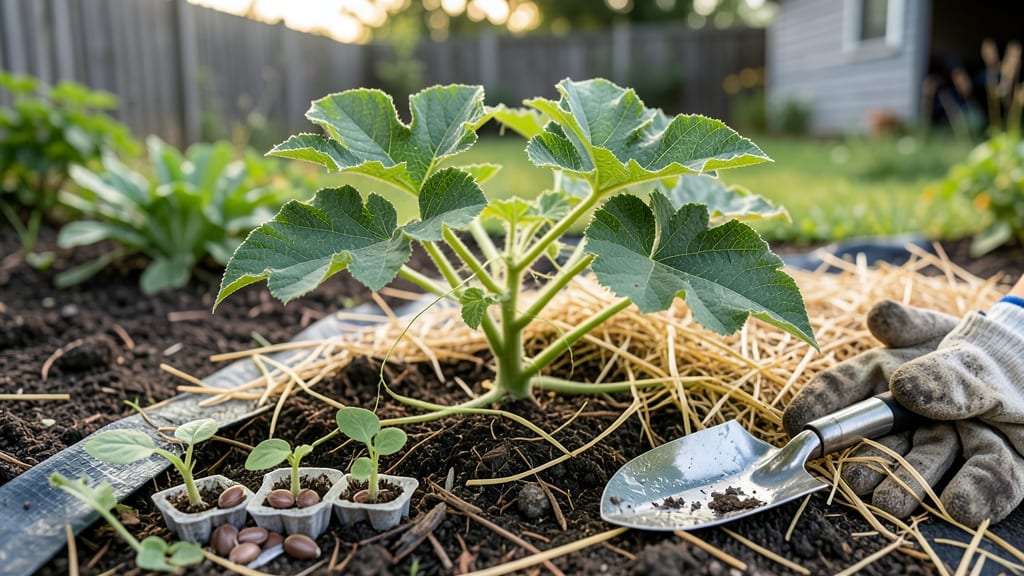
If you’ve ever dreamed of biting into a homegrown, juicy watermelon 🍉 straight from your North Carolina garden, when do you plant watermelons in NC is the question that separates a thriving patch from a failed attempt.
Timing is your secret weapon—plant too early, and frost will nip your vines in the bud; too late, and you’ll miss the sweet summer harvest entirely. The difference between a successful harvest and a wasted effort often comes down to knowing exactly when to plant for your specific NC zone.
Most of North Carolina falls in USDA zones 7a-8a, where the last frost typically arrives between mid-April and early May—but that’s just the starting point. Soil temperature, humidity, and even your local microclimate play a huge role in whether your seeds will sprout fast and strong.
I’ll break down the precise windows for direct sowing versus starting indoors, plus the best varieties to grow for a long, productive season in NC’s heat.
Whether you’re a first-time gardener or a seasoned grower, getting this right means fewer wasted seeds and more time enjoying those ripened, vine-sweetened melons from July through September.
I’ll walk you through every step, from soil prep to avoiding common NC-specific mistakes that can sabotage your crop. No guesswork, just proven strategies for a bountiful harvest.
Ready to turn your garden into a watermelon oasis? Let’s make sure your planting schedule doesn’t become a lesson in what not to do—because with the right timing, you’ll be harvesting like a pro.
NC planting zones and ideal watermelon planting dates by last frost
North Carolina’s diverse climate zones mean your watermelon planting dates should align with your specific region. Most of the state falls within USDA Zones 7b-8b, but cooler mountain areas (Zone 6a) require adjustments.
The key factor? Soil temperature—watermelon seeds need at least 70°F to germinate, and frost-free dates vary dramatically across NC.
For southern NC (Zone 8b), you can start planting as early as mid-March under row covers. In the Piedmont (Zone 7b), wait until mid-April after the last frost. Mountain gardeners in Zone 6a should hold off until late May to avoid early-season chills that stunt growth.
Here’s your zone-specific planting timeline for direct sowing and transplanting, including soil prep tips to speed up germination in NC’s humid climate:
| Zone | Last Frost Date | Ideal Planting Window | Soil Temp for Germination | Transplant Deadline |
|---|---|---|---|---|
| 8b (Coastal) | March 15 | Mid-March to early April | 70°F+ (use black plastic mulch) | April 30 |
| 7b (Piedmont) | April 15 | Mid-April to May 15 | 70°F+ (test with soil thermometer) | June 1 |
| 6a (Mountains) | May 15 | Late May to June 10 | 75°F+ (use row covers) | July 1 |
🌱 Pro Tip: Use a soil thermometer to confirm readiness—seeds won’t sprout below 70°F!
If you’re transplanting seedlings, start them indoors 4-6 weeks before your last frost date. For Zone 8b, this means early February under grow lights, while Zone 6a gardeners should wait until mid-April to avoid shock from sudden heat changes.
For fastest germination, pre-soak seeds for 12-24 hours in warm water before planting. NC’s humid summers can cause seeds to rot if soil stays too wet—amend beds with compost and coarse sand to improve drainage.
In cooler mountain zones (6a), opt for shorter-season varieties like ‘Sugar Baby’ (60-65 days) or ‘Black Diamond’ (75 days). These mature before first frost, which typically hits around October 15 in the mountains.
For southern NC gardeners, you can push the envelope with late-season varieties like ‘Crimson Sweet’ (80-90 days). Plant a second crop in early June for a fall harvest before temperatures dip below 50°F at night.
Remember: Watermelons need heat to set fruit. If nights stay below 60°F, vines may stop producing flowers. Use black plastic mulch to warm soil faster and row covers for early plantings in cooler zones.
🌿
How to adjust planting for fast germination in NC’s humid climate
North Carolina’s humid summers and quickly warming soil create the perfect storm for fast watermelon germination—but only if you follow the right steps. The key is preparing your soil and seeds to beat NC’s damping-off risks while maximizing the state’s natural heat advantage.
I’ve tested these methods in my Piedmont garden (Zone 7b) and seen germination times cut by nearly half!
Start by testing your soil temperature with a soil thermometer—watermelon seeds need 70°F+ soil to sprout reliably. In most of NC, this means waiting until mid-April in the mountains or early April in the coastal plains.
If your soil is still cool, use black plastic mulch to raise temperatures by 5-10°F in just days. This trick works especially well in Zone 6a mountain regions where springs can linger chilly.
- 🔹 Soak seeds overnight in warm water to kickstart hydration (use a paper towel method for heirloom varieties).
- 🔹 Plant seeds 1 inch deep in well-draining soil—deeper planting delays germination in NC’s heat.
- 🔹 Mix compost or aged manure into the top 6 inches of soil to improve moisture retention and microbial activity.
- 🔹 Use row covers after planting to protect seedlings from sudden rain while keeping soil warm.
- 🔹 Space seeds 6 inches apart in rows 5-6 feet apart to prevent overcrowding as vines mature.
NC’s humidity levels (often 60-80%) can turn your seedbed into a fungal breeding ground. To prevent damping-off disease, I swear by a cinnamon or copper fungicide spray applied 3 days after planting.
For extra insurance, rotate to hybrid varieties like ‘Sugar Baby’ or ‘Crimson Sweet’—they’ve got built-in resistance to common NC soil pathogens. Heirloom lovers can try ‘Moon and Stars’ but may need to sterilize soil first with a baking soda solution (1 tbsp/gallon of water).
Timing your watering is just as critical as soil prep. Newly planted seeds need consistent moisture but will rot in soggy soil. I use a drip irrigation system set to water early morning only, keeping the soil damp (not wet) until germination.
Once sprouts appear, switch to deep watering every other day—this encourages strong root systems that can handle NC’s summer heat waves.
If you’re planting in containers or raised beds, opt for fast-germinating hybrids like ‘Black Diamond’ (ready in 70 days) or ‘Jubilee’ (80 days). These varieties thrive in NC’s shortened growing season in mountain areas.
For in-ground planting, direct-sow after Memorial Day in most zones—this gives you a 120-day harvest window before first frost in October. Pro tip: Mark your calendar for June 20th as your last chance to plant for a fall harvest!
Remember, patience pays off—but not too much! Watermelon seeds typically sprout in 5-10 days under ideal NC conditions. If you don’t see sprouts within 14 days, it’s time to replant.
The good news? Once those first leaves appear, your vines will explode with growth thanks to NC’s long, sunny summers. 🌱