
Plants
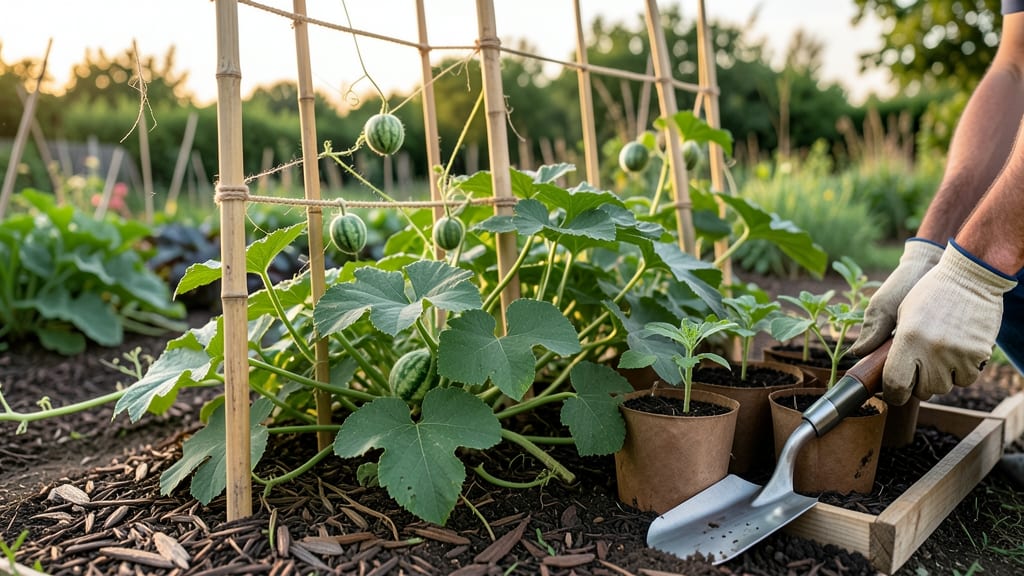
Timing your watermelon 🍉 planting in Ohio isn’t just about checking a calendar—it’s about outsmarting the state’s famously fickle spring weather. Plant too soon, and a late frost will turn your tender seedlings into sad, wilted memories.
Wait too long, and your vines might never bulk up enough to produce sweet, juicy fruit before summer slips away.
Most Ohio gardeners swear by waiting until mid-April to early May, once soil temperatures hit a steady 70°F+ and all frost warnings have vanished. But here’s the catch: Northern Ohio’s 6a zone plays by different rules than Cincinnati’s milder microclimate.
I’ll break down exactly when to plant—whether you’re direct-sowing seeds or transplanting starts—to maximize your chances of a bountiful harvest.
Beyond dates, success hinges on prep work: warming the soil, spacing vines properly, and knowing which varieties thrive in Ohio’s short growing season. Even the hardiest watermelon needs 70-90 days to mature, and Ohio’s unpredictable weather can throw a wrench in those plans.
Let’s dive into the game-changer strategies that’ll help you beat the odds and grow watermelons that’ll make your neighbors jealous.
From soil tests to frost-proofing tips, I’ll walk you through every step—so you can skip the guesswork and start planting with confidence. Whether you’re a first-time gardener or a veteran grower, these insights will help you turn Ohio’s challenges into a watermelon-growing win.
Optimal planting dates for watermelon in Ohio based on soil temperature
In Ohio, timing your watermelon planting correctly means waiting for soil temperatures to reach at least 60°F—but ideally 70°F+—to ensure strong germination and vine growth. Cold soil slows seedling development, leaving your crop vulnerable to late frosts or poor yields.
Since Ohio’s last frost date varies by region, I’ll break down the best planting windows for Northern, Central, and Southern Ohio to help you avoid common mistakes.
For most of Ohio, the ideal planting window stretches from mid-April to early May, but this shifts slightly depending on your location. In Northern Ohio (e.g., Cleveland, Toledo), wait until after May 1st to minimize frost risk.
In Central Ohio (Columbus, Dayton), you can plant as early as late April if the soil is warm enough. Meanwhile, Southern Ohio (Cincinnati, Lexington) gardeners may start sowing seeds in early April in a greenhouse or row cover for a head start.
If you’re using transplants instead of seeds, wait until after Memorial Day in most regions to ensure the soil is consistently warm. Transplants are more resilient but still need 60°F+ soil to thrive.
I’ve found that direct-sowing seeds in late May is a safer bet for beginners, as it aligns with Ohio’s typical frost-free date while giving vines enough time to mature before summer’s end.
| Region | Last Frost Date (Avg.) | Ideal Planting Window | Soil Temp Threshold | Notes |
|---|---|---|---|---|
| Northern Ohio (Cleveland, Toledo) | May 10–15 | Mid-May to early June | 70°F+ | Use row covers for early starts |
| Central Ohio (Columbus, Dayton) | April 25–May 5 | Late April to early May | 60°F+ | Transplants can go in late May |
| Southern Ohio (Cincinnati, Lexington) | April 10–20 | Early April (greenhouse) or late April (outdoor) | 65°F+ | Longer growing season; try early varieties |
To check your soil temperature, use a soil thermometer—they’re inexpensive and save you from guessing. I dig mine 2 inches deep in the morning and evening to track trends. If temperatures dip below 60°F at night, delay planting until conditions stabilize.
Pro tip: Black plastic mulch can warm soil by 5–10°F, giving you an earlier start in cooler regions like Northern Ohio.
Ohio’s microclimates can create surprises even within short distances. For example, urban areas like Columbus often experience heat islands, where soil warms faster than rural spots. If you’re unsure about your local conditions, check the Old Farmer’s Almanac or your local Cooperative Extension office for frost-free date updates.
I’ve also had success using biodegradable seed starters to jumpstart growth in cooler springs.
Once you’ve confirmed the soil is warm enough, plant watermelon seeds 1 inch deep and 6 inches apart in hills spaced 3–4 feet apart. This spacing gives vines room to spread and reduces disease risk from overcrowding.
If you’re in a shorter-season area, opt for shorter-maturity varieties like ‘Sugar Baby’ (70 days) or ‘Crimson Sweet’ (80 days) to maximize your harvest before Ohio’s first frost in mid-October.
Remember, watermelons need a long, warm growing season—typically 70–100 days from planting to harvest. In Ohio, this means starting seeds early enough to avoid bolting (premature flowering) caused by cool nights.
If you’re pushing the limits of your growing season, consider trellising varieties like ‘Black Diamond’ to save space and improve air circulation.
Finally, keep an eye on your local weather forecasts in the weeks leading up to planting. A late frost in early May can wipe out young seedlings, so having a backup plan—like a greenhouse or row cover—is wise.
I’ve learned the hard way that Ohio’s weather is unpredictable, but with the right timing and preparation, you can still enjoy a bountiful watermelon harvest every summer.
Optimal planting dates for watermelon in Ohio based on soil temperature
Ohio’s USDA Zone 6a climate means your watermelon planting window is tight—typically mid-April to early May—but soil temperature is the real game-changer. Seeds won’t germinate until the soil hits a steady 70°F+, and transplants need at least 60°F to thrive.
In Northern Ohio, this often means waiting until after May 1, while Southern Ohio gardeners can start as early as late April.
Don’t rely on the calendar alone—use a soil thermometer to confirm readiness. I’ve planted too early before, only to watch frost nip my seedlings. Patience pays off: Watermelons need 70-90 days to mature, and Ohio’s short growing season demands precision.
| Region | Avg. Last Frost | Ideal Planting Window | Soil Temp Threshold |
|---|---|---|---|
| Northern Ohio (Cleveland, Toledo) | May 10 | Late May | 70°F+ |
| Central Ohio (Columbus) | April 25 | Mid-April to early May | 65°F+ |
| Southern Ohio (Cincinnati) | April 15 | Late April | 60°F+ |
For direct-sowing seeds, aim for mid-May in most of Ohio—this gives vines enough time to establish before summer heat sets in. If you’re using transplants, start them indoors 4-6 weeks before your region’s last frost date.
I’ve had success with 4-inch pots under grow lights, then hardening them off before transplanting.
Pro tip: Black plastic mulch can warm the soil by 5-10°F, helping seeds germinate faster. Lay it down 2 weeks before planting to give the ground a head start. This trick has cut my planting window by nearly a week in past seasons.
Watch for late frosts—even in May. Check the National Weather Service for your area’s frost-free date, then add 10-14 days of buffer time. In 2022, a late frost in June delayed my entire crop, but I’ve since learned to plant successive batches every 2 weeks for staggered harvests.
Once planted, give vines 3-4 feet of space to sprawl. Crowding stresses plants and invites powdery mildew. I’ve lost entire patches to fungal issues because I skipped this step—don’t make my mistake!
Mulch with straw to retain moisture and suppress weeds, then water deeply every 2-3 days during dry spells.
🌱