
Plants
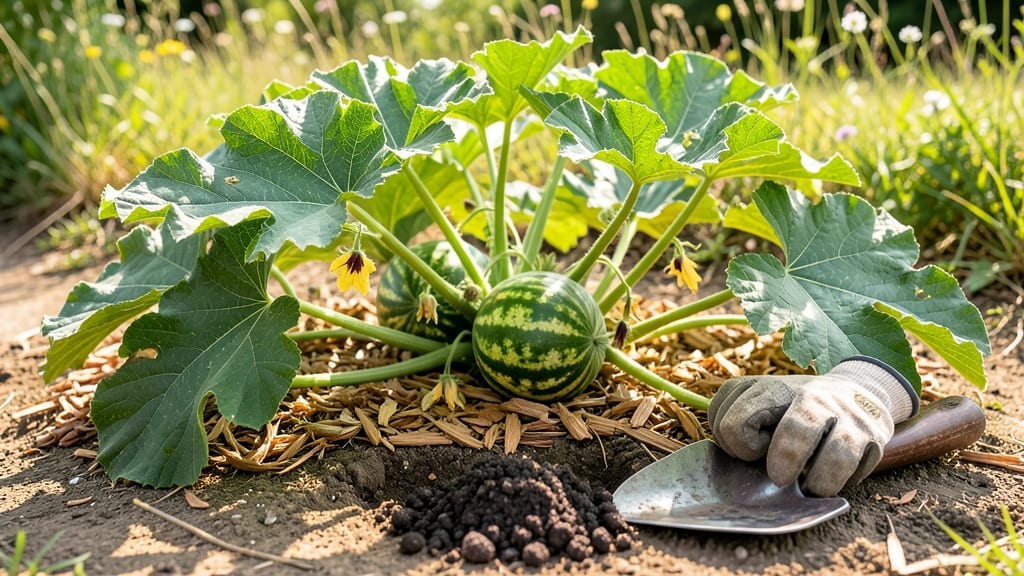
Planting watermelon seeds in CA at the wrong time can mean the difference between a bountiful harvest and wasted effort. With California’s diverse microclimates—from coastal chill to inland heat—getting the timing right is your secret weapon for sweet, juicy 🍉 success.
Most gardeners in zones 9b-10b wait until late winter to early spring (February–April) when soil temperatures hit 70°F (21°C) and frost risk fades. But coastal areas can start earlier, while inland desert zones may need to delay until April.
The key? Match your planting window to your local last-frost date and heat tolerance.
Whether you’re direct-sowing or starting seeds indoors, I’ll break down the exact months that work best for your specific zone—and how to prep soil, manage heat stress, and avoid common pitfalls. Let’s make sure your watermelons thrive, not just survive.
From soil warming tricks to irrigation hacks, you’ll discover how to extend your growing season and troubleshoot regional challenges like alkaline soil or cucumber beetles. Ready to turn your CA garden into a watermelon powerhouse?
California watermelon planting calendar by USDA zones (5-11)
California’s diverse climate means your watermelon planting window varies dramatically from coastal San Diego (Zone 10b) to mountainous Truckee (Zone 6b). The golden rule? Wait until soil temps hit 70°F (21°C) and all frost risk has vanished.
Coastal areas can start as early as February, while inland desert zones may wait until April. Here’s your zone-by-zone breakdown to avoid common pitfalls like frost damage or heat stress.
For USDA Zones 9b-11 (most of Southern California), your planting window stretches from mid-February to mid-April. In these areas, frost is rare, but early starts risk powdery mildew from cool, damp nights. Zone 10b/11 gardeners can even direct-sow in January with row covers for a jumpstart.
Meanwhile, northern California (Zones 5-8) must wait until mid-April to May, when nighttime temps consistently stay above 55°F (13°C).
🌱
If you’re starting seeds indoors, begin 4-6 weeks before your zone’s last frost date. For example, Zone 7a gardeners should sow seeds by mid-March and transplant hardened-off seedlings by mid-April.
Use biodegradable pots to avoid root disturbance when moving to the garden. Pro tip: Preheat soil with black plastic mulch 1-2 weeks before transplanting to speed up establishment.
For direct sowing, California’s desert zones (10b-11) can start seeds in December, while cooler inland areas (Zone 8a) should wait until mid-April. The key is soil temperature, not calendar dates. Use a soil
Pro tips to extend California’s watermelon growing season
California’s long growing season gives watermelons plenty of time to thrive—but with the right strategies, you can push your harvest earlier or later than the standard window. Whether you’re battling coastal fog delays or desert heat, these pro tips will help you maximize your yield and avoid common pitfalls.
One of the easiest ways to start earlier is by using black plastic mulch to warm soil faster. This trick raises soil temperatures by 10-15°F, letting you plant 2-3 weeks sooner in cooler zones like Zone 9a.
Pair it with row covers for frost protection if needed—just remove them once plants are established.
For late-season extensions, choose heat-tolerant varieties like ‘Sugar Baby’ or ‘Crimson Sweet,’ which handle California’s 100°F+ heat better than others. Pair them with drip irrigation to keep roots cool and avoid stress.
If you’re in Zone 10b or hotter, consider shade cloth (30%) during peak afternoon sun to prevent sunscald on young plants.
🌱 Top 5 Pro Tips for California Watermelon Growers
- 🔥 Soil Warming: Use black plastic mulch to reach 70°F soil temp faster—plant 2-3 weeks earlier in cool zones.
- 🌿 Cold-Hardy Varieties: ‘Sugar Baby’ and ‘Black Diamond’ tolerate 50°F nights better than standard types.
- 💧 Drip Irrigation: Keeps roots cool in 100°F+ heat and delivers water directly to roots (no waste).
- 🌡️ Heat Management: Apply 30% shade cloth at noon in desert zones to prevent sunscald on young plants.
- 🌱 Succession Planting: Sow seeds every 2 weeks from March to May for staggered harvests.
Don’t overlook succession planting—sowing seeds every 2 weeks from March to May gives you a continuous harvest through September. This works especially well in Zone 9b-10a, where you can squeeze in two full crops per season. Just adjust your spacing to avoid overcrowding as vines mature.
For alkaline soil (common in CA), mix in sulfur or peat moss at planting to lower pH to 6.0-6.8. Watermelons thrive in slightly acidic soil, and this small adjustment can double your yield.
Pair it with a balanced 5-10-10 fertilizer at planting and again when flowers appear for optimal fruit development.
Finally, monitor cucumber beetles—they’re a major pest in CA gardens. Use yellow sticky traps near plants to catch adults early, or apply neem oil as a preventive spray. Healthy plants with proper spacing (6-10 ft apart) resist damage better than crowded ones.