
Plants
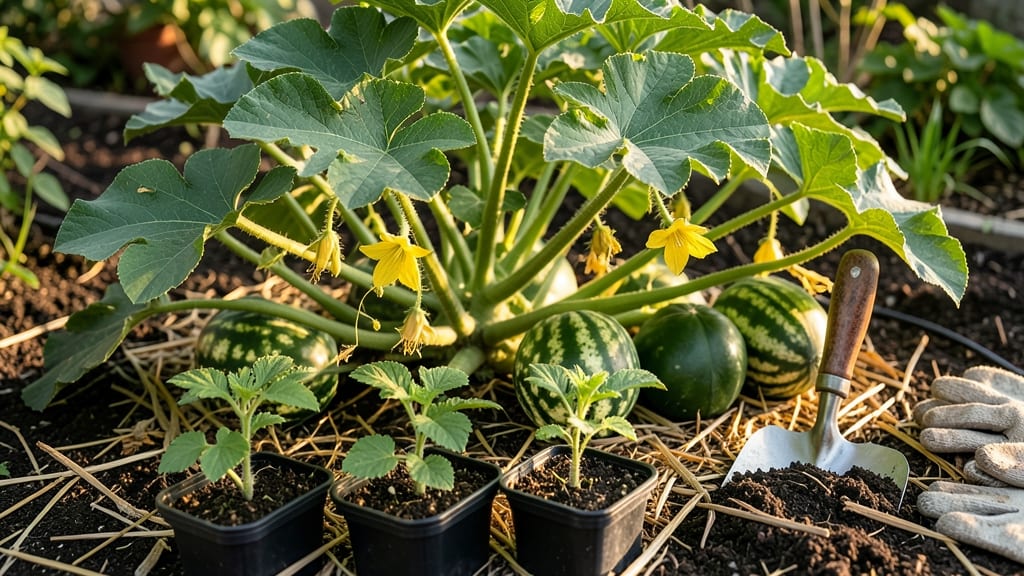
Planting watermelons in Texas at the wrong time can mean the difference between a bountiful harvest and wasted effort—especially when summer heat arrives faster than you expect.
The key to success lies in understanding your region's unique climate, where soil temperatures must reach at least 60°F before seeds even think about sprouting.
I’ve learned the hard way that rushing watermelon seeds into cold soil is a recipe for disappointment—those little seeds need warmth to germinate fast and consistently.
Whether you're in North Texas with its cooler springs or South Texas where the ground heats up early, timing your planting to match soil conditions is the secret weapon for avoiding slow starts and missed deadlines.
What most Texas gardeners overlook is how quickly soil warms up once the last frost passes—sometimes as early as March in South Texas or waiting until April or May in North Texas.
Using a simple soil thermometer can save you weeks of guesswork and ensure your melons 🌱 get off to a running start instead of a crawl.
In this guide, I’ll break down the exact soil temperature rules you need to follow, plus the best varieties for your area and how to extend your growing season if you’re in the cooler parts of the state.
Let’s get those vines growing faster than a Texas summer storm rolls in!
Texas watermelon planting calendar: soil temperature rules for fast germination
Watermelons thrive in Texas heat, but they demand warm soil to germinate quickly. The ideal soil temperature range for planting is 60-90°F, with 70°F+ ensuring fast sprouting in 5-7 days.
Without a soil thermometer, use your hand: if the soil feels warm to the touch (like a hot bath), it's ready.
In North Texas (zones 7b-8a), wait until mid-April to early May when nighttime temps stay above 55°F. In South Texas (zones 8b-9a), you can start as early as late February to March, but avoid planting before March 15 to dodge unpredictable late frosts.
Direct sowing is best for Texas watermelons, as transplants struggle with root shock in our intense heat. Plant seeds 1 inch deep and 6-12 inches apart in hills spaced 3-5 feet apart. This spacing gives vines room to sprawl and prevents disease spread from crowded plants.
Use black plastic mulch to warm soil faster and retain moisture. This trick can shave 2-3 weeks off your planting timeline by raising soil temps by 5-10°F. Just remove it once vines start running to prevent overheating.
Avoid planting after early July in most of Texas, as the 100°F+ heat can stunt growth and reduce fruit quality. Late plantings (after July 15) may still produce, but expect smaller melons and slower maturation.
🌱
| Texas Region | Ideal Planting Window | Soil Temp Requirement | Germination Time |
|---|---|---|---|
| North Texas (Dallas, Fort Worth) | Mid-April to early May | 65-85°F | 5-7 days |
| Central Texas (Austin, San Antonio) | Late March to April | 60-80°F | 6-8 days |
| South Texas (Houston, Corpus Christi) | Late February to March | 65-90°F | 4-6 days |
| West Texas (El Paso, Lubbock) | Mid-April to May | 70-85°F | 5-7 days |
🌡️ Pro Tip: Use a soil thermometer for 3 days to confirm temps before planting.
If you're in East Texas (like Tyler or Longview), aim for early April to avoid April showers that can drown seeds. These areas benefit from raised beds, which warm up faster than heavy clay soil and improve drainage.
For container growing, use 5-gallon pots with black fabric wrapped around the sides to absorb heat. Plant 1-2 seeds per pot and place in full sun. Containers dry out faster, so check moisture daily during Texas summers.
Monitor your local frost dates using the Texas A&M AgriLife Extension maps. Even in South Texas, a late frost in March can devastate young seedlings. If frost is forecasted, cover plants with frost cloth or row covers for 24-48 hours.
🌿 Once your watermelon vines hit 3-4 feet long, they're ready for trellising or letting them sprawl. In Texas, most gardeners choose sprawling for maximum sun exposure, but trellising saves space and can improve air circulation to reduce powdery mildew.
💧 Always water deeply in the morning to encourage strong root growth. Shallow watering leads to weak vines that can't support heavy melons, especially in Texas' intense heat.
Texas watermelon planting calendar: soil temperature rules for fast germination
Watermelons thrive in Texas heat, but they need the right conditions to start strong. The key to fast germination is soil temperature—aim for 60-90°F. In North Texas, where nights stay cooler, wait until mid-April or after the last frost date.
Meanwhile, South Texas gardeners can plant as early as late February in warmer zones like Houston or San Antonio.
Use a soil thermometer to check depth—watermelon seeds need warmth 1 inch deep. If your soil is still below 60°F, cover the bed with black plastic for 1-2 weeks to warm it up naturally.
This trick speeds up germination by 3-5 days, giving you a head start on the growing season.
| Region | Ideal Planting Window | Soil Temp Requirement |
|---|---|---|
| North Texas (Dallas/Fort Worth) | Mid-April to early May | 65-75°F (1-2" deep) |
| Central Texas (Austin) | Late March to April | 60-70°F (1-2" deep) |
| South Texas (Houston/San Antonio) | Late February to March | 65-80°F (1-2" deep) |
| West Texas (El Paso) | Late March to April | 70-85°F (1-2" deep) |
For direct sowing, scatter seeds 1 inch deep and 6 inches apart in rows spaced 3-4 feet apart. Thin seedlings to 12-18 inches apart once they develop 2-3 true leaves. This spacing gives vines room to sprawl and prevents disease from overcrowding.
If you’re using transplants, buy hardened-off seedlings from a nursery and plant them after May 15 in most of Texas. Transplants can handle slightly cooler soil (55°F), but they’ll still grow faster in warmer conditions.
Harden off seedlings by exposing them to outdoor conditions for 7-10 days before planting.
Pro tip: Plant watermelons near corn or beans for natural trellising support. The vines will climb the stalks, saving space in your garden and making harvest easier. Just ensure the trellis can support heavy melons (up to 20 lbs each).
Extend your harvest by planting a second crop in late June. Choose heat-tolerant varieties like 'Sugar Baby' or 'Crimson Sweet' for a fall harvest before the first frost. In South Texas, you might even get a third crop in August!