
Plants
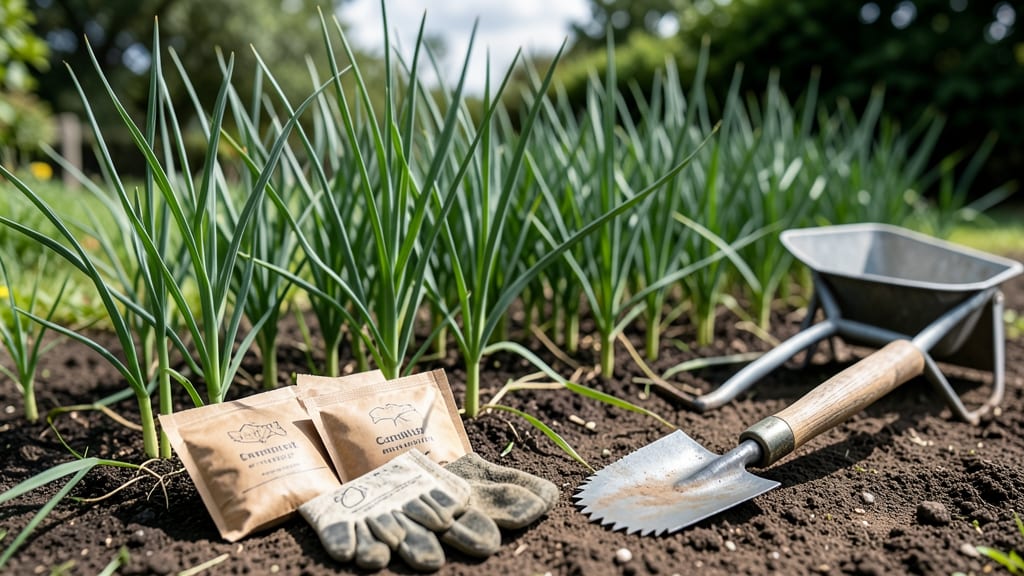
If you're wondering when to plant winter rye in Texas, timing is everything—because getting it wrong means wasted seeds or stunted growth before winter sets in.
This hardy cover crop 🌾 thrives in Texas' 8a-10b zones, but the late summer to early fall window (August-October) is your golden opportunity to lock in soil protection and springtime benefits.
Planting too early exposes young shoots to summer heat, while waiting too long risks frost damage before winter rye establishes roots. The key? Aim for 4-6 weeks before your region's first frost—whether that's mid-November in North Texas or December in Central/South Texas.
This simple adjustment makes all the difference between a thriving cover and a failed experiment.
Why does this matter? Winter rye isn't just about pretty green shoots—it's your secret weapon against erosion, weeds, and nutrient loss during Texas winters. When planted right, it'll reward you with better soil structure and even earlier spring planting for your main crops.
Let's break down exactly how to nail those planting dates for your specific Texas region.
From North Texas' cooler winters to South Texas' milder climate, we'll cover the ideal months, soil prep tips, and what to watch for when Texas weather throws curveballs.
Whether you're a small-scale gardener or managing acres, these insights will help you plant with confidence—and avoid the common mistakes that trip up even experienced growers.
Best months to plant winter rye in Texas regions (North vs. central vs. south)
Texas' diverse climate zones mean winter rye planting windows vary dramatically from North Texas to South Texas. In USDA Zones 8a-9a (North and Central Texas), aim for mid-August to early October—this gives seedlings time to establish before first frost (typically mid-November to December 15).
In Zone 10b (South Texas), you can push planting until late October since frosts are rare.
For optimal growth, soil temperatures should stay above 60°F (15°C) for at least 4 weeks post-planting. In North Texas, this means starting no later than September 15—delaying risks heat stress or early frost damage.
Central Texas (Zones 8b-9a) has a 2-week buffer, allowing planting until early October.
South Texas' warmer winters (Zone 10b) let you plant through November, but August-September still yields the best root establishment before potential December frosts. Always check local frost dates from the Texas A&M AgriLife Extension for precision.
| Texas Region | USDA Zone | Ideal Planting Window | First Frost Date | Soil Temp Goal |
|---|---|---|---|---|
| North Texas (Amarillo, Lubbock) | 8a-9a | Mid-August - Early October | Mid-November | 60°F+ (15°C+) |
| Central Texas (Austin, San Antonio) | 8b-9a | Late August - Early October | December 15 | 60°F+ (15°C+) |
| South Texas (Corpus Christi, Brownsville) | 10a-10b | August - November | December 1 (rare) | 65°F+ (18°C+) |
Source: Texas A&M AgriLife Extension (2023)
In North Texas, prioritize August planting to avoid September heat spikes that can stress seedlings. Use a soil thermometer to confirm temperatures stay above 60°F (15°C)—winter rye germinates best in 65-75°F (18-24°C) ranges.
For Central Texas, late August is ideal, but early September works if you irrigate consistently.
South Texas growers can plant later due to milder winters, but August-September still maximizes root depth before potential December cold snaps. If planting in October-November, use seed coatings or light mulch to protect young plants from unexpected frosts.
Pro Tip: In all regions, test soil moisture before planting—winter rye needs 1-1.5 inches of water weekly until established. Use a rain gauge to track precipitation and supplement with drip irrigation if needed during dry spells.
For organic growers, add composted manure (like cow or chicken manure) 2-3 weeks before planting to boost nitrogen levels. Winter rye thrives in pH 6.0-7.5—test your soil with a home kit and amend with lime or sulfur if needed.
Remember: Planting too early (before August 1) risks heat stress in North/Central Texas, while planting too late (after October 15) may leave plants vulnerable to frost damage before establishment. Always align with local weather forecasts for 10-day outlooks.
🌾
Best months to plant winter rye in Texas regions (North vs. central vs. south)
Texas' diverse climate means your winter rye planting window depends heavily on where you live. In North Texas (USDA Zones 7b-8a), the first frost often hits by mid-November, so aim to plant between mid-August and early October.
This gives winter rye enough time to establish roots before winter sets in. Meanwhile, Central Texas (Zones 8a-8b) has slightly later frost dates, extending your window to late August through November.
For South Texas (Zones 9a-10b), the mild winters mean you can plant as late as early December—but even here, starting in September-October ensures stronger growth before any rare cold snaps.
The key is always 4-6 weeks before your region's first frost, which varies dramatically across the state. Check local Texas A&M AgriLife Extension frost maps for precise dates.
Soil temperatures also play a critical role. Winter rye germinates best when soil temps are between 50°F and 75°F. In North Texas, this typically aligns with late August to September, while South Texas can extend this to October-November.
Use a soil thermometer to confirm—planting too early when soils are still hot can stress young seedlings.
| Region | USDA Zone | First Frost | Ideal Planting Window | Soil Temp Range |
|---|---|---|---|---|
| North Texas | 7b-8a | Mid-November | Mid-August - Early October | 50°F-75°F |
| Central Texas | 8a-8b | Late November | Late August - November | 50°F-75°F |
| South Texas | 9a-10b | Early December | September - Early December | 55°F-75°F |
Don't overlook moisture conditions—winter rye needs consistent soil moisture to germinate. In dry years, prioritize North and Central Texas plantings in September when rains are more reliable.
South Texas growers can push later, but always irrigate lightly after planting to encourage germination. A 1/4-inch daily watering for the first 2 weeks keeps seeds from drying out.
Pro tip: If your area experiences unpredictable weather, consider early-maturing varieties like 'Auro' or 'Wrens Abruzzi'. These establish faster, giving you a safety net if frost arrives early.
For larger fields, use a seed drill set to 1/2-inch depth—this ensures even coverage and reduces the risk of uneven growth due to Texas' variable rainfall patterns.
Finally, remember that winter rye's purpose isn't just about planting dates—it's about soil protection. By planting at the right time, you'll create a living mulch that suppresses weeds, prevents erosion, and even adds organic matter when tilled in spring.
That's why getting those months right makes all the difference for your Texas garden's long-term health.