
Plants
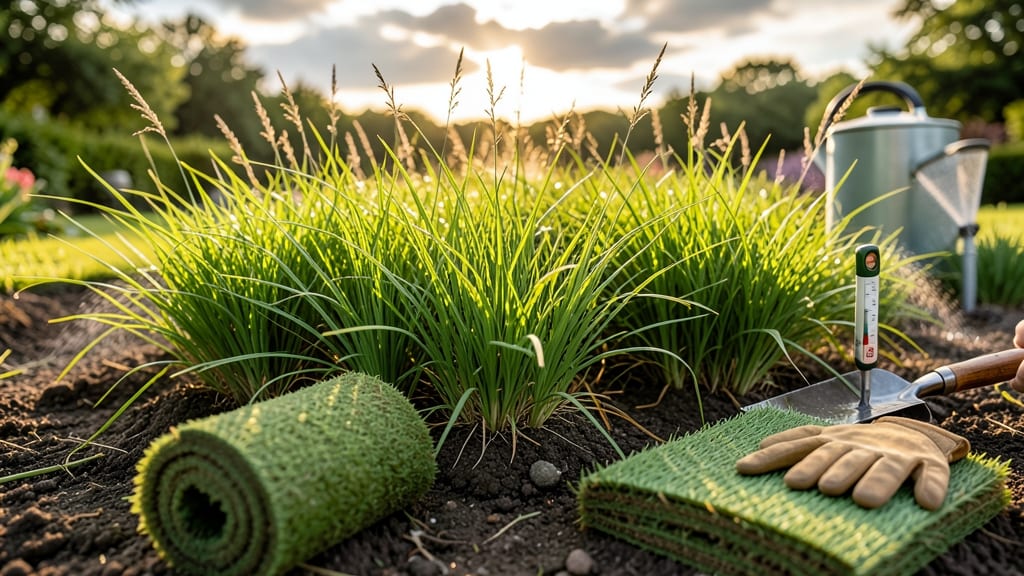
If you’ve ever planted Bermuda grass 🌱 in Texas only to watch it struggle or fail, the problem might not be your technique—it’s likely the timing.
The best time to plant isn’t just about the calendar; it’s about soil temperature, regional heat zones, and avoiding the common mistakes that turn eager lawns into disappointment.
Texas gardeners know this grass thrives under the sun, but planting too early or too late can mean weak roots, stunted growth, or even failure. The key lies in waiting for that 60-65°F soil temperature, which varies dramatically from North to South Texas.
Whether you’re in the cooler 8a zones or the warmer 10b regions, getting this right makes all the difference.
In this guide, I’ll break down the ideal planting windows—late spring and early fall—while addressing how microclimates, urban heat islands, and elevation shifts can change the rules. You’ll also learn how to test soil temperature accurately and spot the warning signs of planting too soon or too late.
By the end, you’ll have a clear checklist to ensure your Bermuda grass takes root strong, stays resilient, and gives you that lush, sun-loving lawn you’ve been dreaming of. Let’s get started.
Ideal soil temperature & Texas planting windows for Bermuda grass
Bermuda grass (Cynodon dactylon) loves Texas heat, but it needs warm soil to establish strong roots. The optimal soil temperature for planting is between 60°F and 65°F, with 65°F being ideal.
Below this, roots struggle to grow, while above it risks stressing young seedlings in extreme heat.
Texas spans three distinct climate zones, each with unique planting windows. North Texas (USDA Zones 8a-8b) has cooler soils, while South Texas (Zones 9a-10b) stays warm year-round. Central Texas (Zone 8b-9a) falls in between, offering a longer growing season.
For most of Texas, the best time to plant Bermuda grass is late February through June, aligning with rising soil temperatures. However, late summer (August-September) is a secondary window for fall establishment, especially in North Texas where summer heat can be brutal for young grass.
🌱 Pro Tip: Use a soil thermometer to check depth (2-4 inches). If temps dip below 60°F, wait until conditions stabilize. Consistency matters more than calendar dates!
| Texas Region | USDA Zone | Best Planting Window | Soil Temp Requirement | Key Consideration |
|---|---|---|---|---|
| North Texas | 8a-8b | Late April - June | 65°F+ | Avoid early spring frost risk |
| Central Texas | 8b-9a | March - June or August-Sept | 60°F+ | Flexible windows due to moderate climate |
| South Texas | 9a-10b | February - June | 60°F+ year-round | Longer growing season; plant early |
Spring planting (March-May) gives Bermuda grass 3-4 months of warm weather to establish before summer heat peaks. This is why Texas A&M AgriLife recommends it as the primary window. However, late summer planting (August-September) can work in North Texas, where summer heat would stress young grass.
🌡️ Warning: Planting too early (before soil hits 60°F) risks root rot or stunted growth. Use a soil thermometer—don’t guess! Check temps at 2-4 inches deep for accuracy.
For sod installation, the window narrows slightly to April-June in most regions, as sod requires immediate root establishment. Seed-based planting has more flexibility but still needs warm soil to germinate efficiently.
💧 Watering Tip: After planting, water deeply 2-3x weekly until roots establish (about 3-4 weeks). Bermuda grass is drought-tolerant once mature, but young plants need consistent moisture to avoid stress.
If you’re in West Texas, aim for late April-June due to lower humidity and faster soil drying. Coastal areas can plant earlier (February-March) thanks to moderate temperatures and higher rainfall.
Microclimate rules: how Texas heat zones affect Bermuda grass success
Texas isn’t one uniform climate—it’s a patchwork of microclimates where urban heat islands, elevation shifts, and wind patterns can delay or accelerate Bermuda grass growth.
In North Texas, for example, the Panhandle’s cooler nights may push planting back until late April, while South Texas can start as early as mid-February in areas like Brownsville. Even within Austin, a shaded backyard might need 2 weeks later than a sun-drenched front yard.
Urban areas like Dallas or Houston trap heat, raising soil temperatures 5-10°F warmer than rural zones. This means your soil thermometer might read 70°F in the city when it’s only 60°F 20 miles away.
For rural properties, wind exposure can dry out seedlings faster, requiring extra mulch or temporary windbreaks until roots establish.
Elevation plays a sneaky role too. Hill Country regions (like Bandera) often see cooler microclimates at higher elevations, while valley floors (like San Antonio) stay warmer longer.
Test your soil at 4-inch depth—this is where roots start, and a 5°F difference can mean the difference between thriving and struggling grass.