
Trees
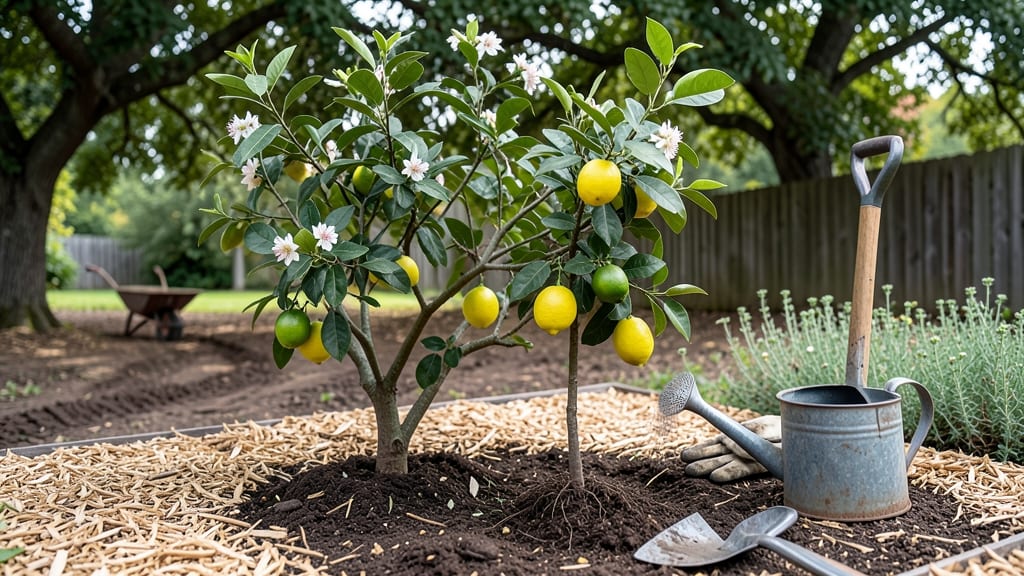
If you've ever wondered when is the best time to plant citrus trees in Arizona, you're not alone. The best time to plant citrus trees in Arizona isn't just about avoiding frost—it's about giving your 🍊 saplings the fighting chance they need against summer's relentless sun.
Unlike cooler climates where spring planting is ideal, Arizona's unique 9b zone demands a different approach. Planting during the cooler months—from November through March—gives young trees time to establish strong roots before the scorching summer arrives.
This window is your golden opportunity to set your citrus trees up for long-term success.
But timing isn't the only factor—choosing the right heat-resistant varieties makes all the difference. Some citrus trees simply can't handle Arizona's climate, while others thrive like they were born there. I'll show you which varieties to pick and exactly how to prepare your soil for maximum survival rates.
Whether you're a first-time gardener or a seasoned citrus enthusiast, these insights will help you avoid common mistakes and grow a thriving orchard that produces fruit year-round. Let's get started!
Optimal planting months for Arizona citrus trees: avoiding heat & frost risks
Arizona’s unique microclimates and extreme temperature swings make timing citrus tree planting a science. Unlike coastal regions, Arizona’s low desert areas (like Phoenix) rarely see frost, while higher elevations (Flagstaff) can drop below 25°F.
This creates a narrow window where young citrus trees can establish roots without stress from either heat or cold.
The ideal planting window spans from November through March, when daytime temperatures hover between 60°F and 75°F. This range allows roots to grow without the shock of Arizona’s 110°F+ summers or freezing winter nights in mountainous regions.
Planting outside this window risks transplant shock or root burn from extreme heat.
🌱
Arizona’s low desert regions (like Tucson and Yuma) offer the longest frost-free growing season, allowing citrus trees to be planted as late as early April—but only if you use shade cloth for the first 4-6 weeks to protect young leaves from 100°F+ heat.
In contrast, high desert areas (Prescott, Sedona) should avoid planting after February due to unpredictable cold snaps.
Soil temperature is critical: citrus roots thrive when soil stays above 60°F.
Use a soil thermometer to verify—planting when soil temps drop below this can stunt root growth. Monsoon season (July-September) is the worst time to plant, as the sudden heat spikes and heavy rains create ideal conditions for root rot.
For container-grown citrus, you can extend the planting window slightly into late October or early April, as pots allow for easier movement to shaded or sheltered areas during extreme weather. However, even potted trees need consistent moisture and protection from afternoon sun during the hottest months.
🌿
If you miss the ideal window, don’t despair—bare-root trees planted in October or April can still survive with extra care
Optimal planting months for Arizona citrus trees: avoiding heat & frost risks
Arizona’s 9b climate zone offers a unique advantage for citrus growers—no frost to worry about in most areas. However, the real challenge isn’t cold but the intense summer heat that can scorch young trees.
The best time to plant citrus trees in Arizona is during the cooler months, specifically from November through March, when soil temperatures stay mild and rainfall provides natural moisture.
This window allows roots to establish before the 100°F+ temperatures of summer arrive. Planting outside this period risks transplant shock, especially during Arizona’s brutal June through September heatwaves. Even the hardiest citrus varieties struggle when exposed to extreme heat immediately after planting.
For low desert regions like Phoenix and Tucson, November and March are ideal—avoiding both the lingering heat of late summer and the occasional light frost in high desert areas like Flagstaff. In these cooler zones, early November planting gives trees a full 4-5 months to root before summer stress begins.
🌱 Arizona Citrus Planting Timeline
| Month | Soil Temp | Rainfall | Risk Level | Best For |
|---|---|---|---|---|
| November | 55-65°F | Moderate | Low | Root establishment |
| December | 50-60°F | Low | Very Low | Slow growth phase |
| January | 55-65°F | Low | Low | Root expansion |
| February | 60-70°F | Very Low | Low | Pre-summer prep |
| March | 65-75°F | Moderate | Moderate | Early growth |
If you must plant outside this window, October and April can work in cooler microclimates, but be prepared for additional care. For example, planting in April requires daily shade cloth and extra watering until roots establish.
The key is avoiding the monsoon season (July-September), when heavy rains can drown young roots.
Another critical factor is soil preparation. Arizona’s native soils often lack organic matter, so amending with compost and sand improves drainage—a must for citrus trees prone to root rot. I recommend testing your soil’s pH (6.0-7.0 ideal) and adjusting with lime if needed before planting.
Remember, citrus trees planted in November often bear fruit the following year, while those planted in March may take an extra season to recover from summer stress. The earlier you plant in the window, the better your chances of a productive tree.