
Flowers
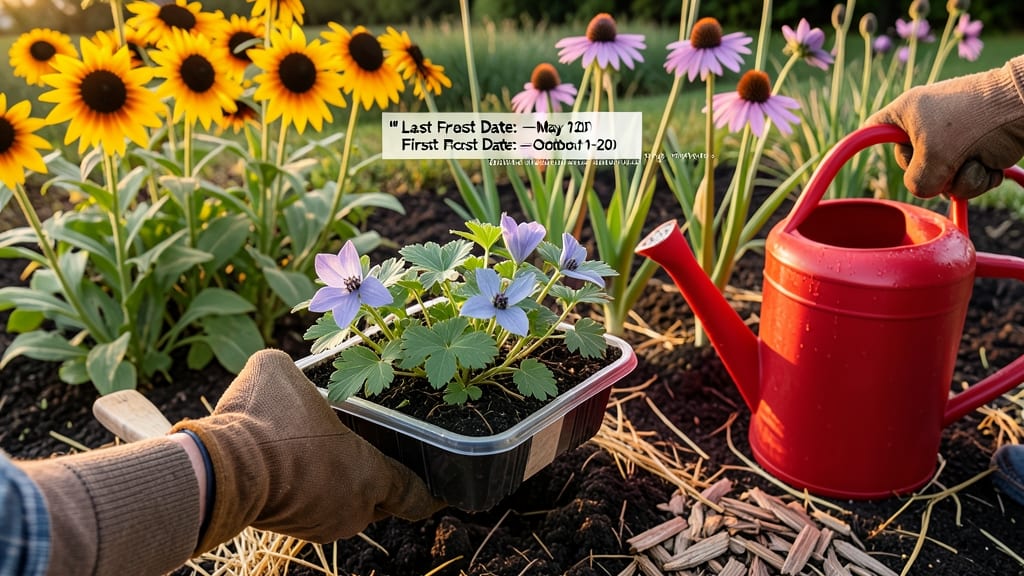
Timing your flowers' planting in Michigan makes all the difference between a vibrant garden and a frost-killed disappointment. With Zone 5-6's unpredictable swings, knowing when to plant your 🌸 can mean the difference between a showstopping spring display and wasted effort.
Most gardeners assume spring is the only window, but Michigan's climate actually offers two prime opportunities: the classic April-May planting after last frost, and a lesser-known fall option for hardy perennials.
The key lies in understanding your specific microclimate—whether you're in Detroit's urban heat islands or Traverse City's cooler lakeshore zones.
I'll show you exactly how to align your planting schedule with Michigan's frost dates, plus which flowers thrive in each window. From cold-hardy pansies to heat-loving zinnias, we'll cover the best varieties for zero-frost success and how to extend your growing season with simple techniques.
Ready to transform your Michigan garden into a year-round bloom parade? Let's dive into the precise timing and variety selection that will have your flowers thriving from spring through fall.
Michigan flower planting calendar by type: annuals, perennials, and bulbs
Timing your flower planting in Michigan’s Zone 5-6 climate means aligning with frost dates, soil temperatures, and bloom cycles. The last frost typically arrives in mid-April (earlier in southern Michigan, later in the UP), while the first frost hits around mid-October.
This leaves a 150-180-day frost-free window—perfect for planning your garden’s star performers.
Annuals like petunias and marigolds need warm soil (60°F+) to thrive, so wait until after the last frost in spring. Perennials such as coneflowers and daylilies can handle cooler soil, making them ideal for early spring or fall planting.
Bulbs like tulips and daffodils should go in the ground in fall (September-October) to establish roots before winter.
Here’s your month-by-month guide to planting flowers in Michigan, tailored to their type and hardiness:
For annuals, the May-June window ensures they’re established before summer heat peaks.
I always plant marigolds in late May—they bloom quickly and deter pests, giving my garden a head start. Perennials like black-eyed Susans can handle both spring and fall planting, but fall is ideal for root development before winter.
Bulbs are a Michigan gardener’s secret weapon for early spring color. Planting tulip bulbs in October means you’ll see blooms by May, long before annuals get going.
Pro tip: Use a bulb planter or your shovel to dig holes 6 inches deep and space them 6 inches apart for optimal growth.
Don’t overlook fall planting for perennials! September and early October are perfect for hardy varieties like Russian sage or sedum. The cooler temps reduce stress, and roots establish before winter dormancy. I’ve seen daylilies planted in late September thrive just as well as those planted in spring.
If you’re in northern Michigan (e.g., Traverse City), aim for late May for annuals—the frost-free date is later there. Southern Michigan gardeners (like those in Detroit) can start as early as mid-April, but always check your local frost-free date calculator for precision.
For container gardening, you can push the envelope slightly. Annuals like petunias can go in pots by early May in most of Michigan, but move containers to protected spots if frost is forecasted. Use heat mats for extra warmth if you’re eager to start earlier.
Remember: Soil temperature matters more than air temperature. Use a soil thermometer to confirm it’s 50°F+ for perennials or 60°F+ for annuals before planting. In cooler years, this might mean waiting until late May instead of early.
Plan ahead for fall bloomers too! Plant zinnias or cosmos in late July-August for late-season color. These fast growers will reward you with blooms until the first frost—sometimes as late as October in southern Michigan.
How to adjust planting times for Michigan’s microclimates and frost risks
Michigan’s diverse microclimates—from Detroit’s urban heat islands to Traverse City’s lakeshore chill—can shift your last frost dates by weeks. A Detroit garden might see its last frost in early April, while Upper Peninsula areas could still face frost in late May. This variability means your planting window isn’t one-size-fits-all.
To pinpoint your exact frost dates, use the National Weather Service’s frost calculator or check local cooperative extension service reports. For example, Ann Arbor’s average last frost is May 10, while Grand Rapids’ is April 25.
Planting too early in cooler zones risks frost damage, while waiting too long in warmer areas can delay blooms.
Here’s how to adjust your planting schedule based on your microclimate:
For gardeners in Zone 5-6 transition areas, like Battle Creek or Kalamazoo, aim for a mid-April planting date for annuals. Test soil warmth with a soil thermometer—ideal temps are 60°F+ for most flowers.
If your soil is still cold, opt for cold-hardy varieties like pansies or snapdragons, which tolerate 32°F temps.
Extend your planting window by 2-4 weeks in spring or fall using frost cloths or mini greenhouses. These tools create a 5-10°F warmer microclimate, letting you plant marigolds or zinnias as early as late March in southern Michigan. Just remove covers once plants are established to avoid overheating.
Fall planting is your secret weapon for zero-frost blooms next spring. Plant bulbs like tulips in October (6-8 weeks before ground freezes) and perennials like coneflowers in September. The soil stays warm enough for roots to establish before winter, giving you a head start in spring.
Pro tip: Keep a gardening journal to track your local frost dates and adjust yearly. Over time, you’ll refine your planting schedule to match your microclimate perfectly—no more wasted seeds or frost-killed blooms! 🌱