
Plants
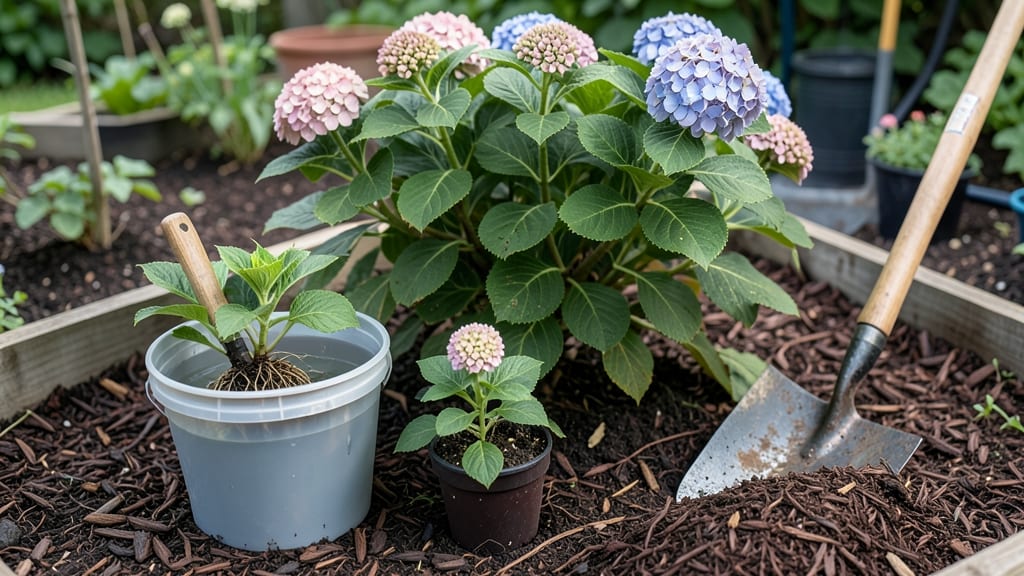
Planting your Hydrangea 🌸 at the wrong time in Michigan could mean waiting years for those dreamy blooms—or worse, losing your new shrub before it even takes root. The best window isn’t just about the calendar; it’s about soil warmth, frost risks, and your hydrangea’s variety.
If you’ve ever wondered why some gardeners swear by early spring while others prefer fall, the answer lies in Michigan’s Zone 5b-6b climate. Bigleaf hydrangeas (like mopheads) demand cooler soil, while panicle types thrive with a head start.
Get this timing right, and you’ll enjoy vibrant blooms by summer; get it wrong, and you might be pruning dead wood instead.
I’ve tested both spring and fall planting in Michigan’s unpredictable climate, and the results speak for themselves. Whether you’re dropping a potted hydrangea into the ground or tucking bare roots into prepared soil, April-May or September-October are your golden windows—but not all varieties play by the same rules.
Ready to skip the guesswork? Let’s break down exactly when to plant each type, how to prep your soil for Michigan’s heavy clay, and the 3 critical signs your hydrangea is off to a great start. Your future blooms depend on it.
Michigan hydrangea planting deadlines by variety: bigleaf vs. panicle vs. oakleaf timing
Michigan’s Zone 5-6 climate creates a tight window for planting hydrangeas, but the right timing ensures your shrubs thrive. Bigleaf, panicle, and oakleaf hydrangeas each have unique needs—plant too early, and frost can damage roots; too late, and summer heat stress weakens new growth.
Let’s break down the optimal planting deadlines for each variety, including soil temperature thresholds and regional adjustments.
For Michigan, spring planting (April–May) is ideal for most hydrangeas, but fall planting (September–October) works for hardy varieties like oakleaf. The key is avoiding soil temperatures below 50°F (10°C), which stalls root growth.
Use these deadlines as your guide, but always check your local last frost date—southern Michigan (Zone 6) has a 2-week advantage over northern areas (Zone 5b).
Here’s how each hydrangea type responds to timing differences, including early spring vs. late spring and fall vs. spring options:
| Variety | Spring Planting Window | Fall Planting Window | Soil Temp Threshold | Notes |
|---|---|---|---|---|
| Bigleaf (Mophead/Lacecap) | April 15–May 15 | September 1–15 | 50°F (10°C) minimum | Sensitive to late spring frost; prefers established roots before summer heat. |
| Panicle | April 1–May 30 | September 15–October 10 | 45°F (7°C) minimum | Hardier; tolerates wider windows and container planting. |
| Oakleaf | April 10–May 20 | September 1–October 15 | 40°F (4°C) minimum | Best for fall planting; natural cold hardiness extends root growth. |
Bigleaf hydrangeas, like the ‘Endless Summer’ series, demand precision—plant them after the last frost but before June 1, or they’ll struggle to establish before summer heat. Panicle hydrangeas, such as ‘Limelight’, are more forgiving, allowing a 6-week extension into late spring or early fall.
Meanwhile, oakleaf hydrangeas thrive when planted in fall, thanks to their natural cold tolerance.
If you’re planting in containers, shift your timeline 2 weeks earlier—potted hydrangeas dry out faster and need to establish roots before Michigan’s summer drought kicks in. For in-ground planting, focus on well-draining soil and partial shade to protect roots from temperature swings.
Mulch heavily after planting to insulate roots during Michigan’s unpredictable spring frosts.
Pro tip: Soak container-grown hydrangeas for 10–15 minutes before planting to reduce transplant shock. This is especially critical in Zone 5b, where late spring frosts can still occur after May 1.
For bare-root hydrangeas, plant as soon as soil is workable—typically March–April—but avoid planting if frost is forecasted within 7 days.
Michigan’s microclimates also play a role. Southern Michigan (Zone 6) can plant up to 2 weeks later than northern areas, while Upper Peninsula regions (Zone 5b) should prioritize early spring planting to maximize the growing season.
Always monitor soil temperature with a soil thermometer—aim for consistently above 50°F (10°C) before planting.
One common mistake? Planting hydrangeas too deeply. The root crown (where roots meet stems) should sit just above soil level. Burying it too deep causes root rot, while planting too shallow exposes roots to extreme temperature fluctuations.
After planting, water deeply to settle soil and remove air pockets.
For fall planting, focus on oakleaf and panicle varieties—they’ll establish roots before winter and bloom earlier the following season. Avoid fall-planting bigleaf hydrangeas unless you’re in Zone 6, where milder winters reduce frost risk.
Always water thoroughly after planting and mulch 3–4 inches deep to protect roots during
How to prepare Michigan soil for hydrangeas: pH, drainage, and fall vs. spring prep
Michigan’s clay-heavy soils can make or break your hydrangeas—these shrubs thrive when soil is well-draining and slightly acidic. Without proper prep, roots suffocate, and blooms suffer. I’ve learned the hard way: skipping soil tests or rushing amendments leads to yellowing leaves and stunted growth.
Let’s fix that with a foolproof prep plan tailored to Michigan’s climate.
First, test your soil pH—hydrangeas need 5.2–6.0 for blue blooms or 6.0–7.0 for pink. Michigan’s native soils often lean alkaline, so you’ll likely need to lower pH with sulfur or peat moss.
Grab a soil test kit (or send a sample to MSU Extension) before digging. This step alone can transform your hydrangea’s color drama from dull to vibrant.
⚠️ Common Mistake Alert
Over-amending soil with too much organic matter can raise pH unexpectedly. Always test after adding amendments and wait 2–3 months before planting.
For drainage, Michigan’s wet springs and heavy clay mean hydrangeas can drown if planted too deeply. Amend the top 12–18 inches of soil with compost or perlite to break up compaction.
If your yard floods, consider a raised bed or mound—I’ve seen hydrangeas in containers thrive where in-ground plants struggle. Pro tip: Mix in pine bark fines to improve aeration without altering pH drastically.
Spring vs. fall prep differs dramatically. In spring, focus on loosening soil and adding compost after the last frost (around April 15). For fall planting (ideal for bare-root hydrangeas), prep 6–8 weeks before frost—this gives roots time to establish before winter.
I’ve had the best luck with fall-planted Oakleaf hydrangeas because their roots settle in before Michigan’s harsh winters.
Don’t forget mulching! Apply 2–3 inches of mulch (wood chips or shredded bark) around the base, but keep it 2 inches away from the stem to prevent rot.
Mulch retains moisture and regulates soil temperature—critical in Michigan’s hot summers and cold snaps. Replenish mulch annually in early spring or late fall.
Finally, hydrangeas love partial shade, but Michigan’s intense midday sun can scorch leaves. If planting in full sun, water deeply in the afternoon to cool roots. For shade lovers, avoid dense tree roots that compete for nutrients.
I’ve seen Bigleaf hydrangeas in my east-facing garden bloom twice as long as those in harsh afternoon light.