
Plants
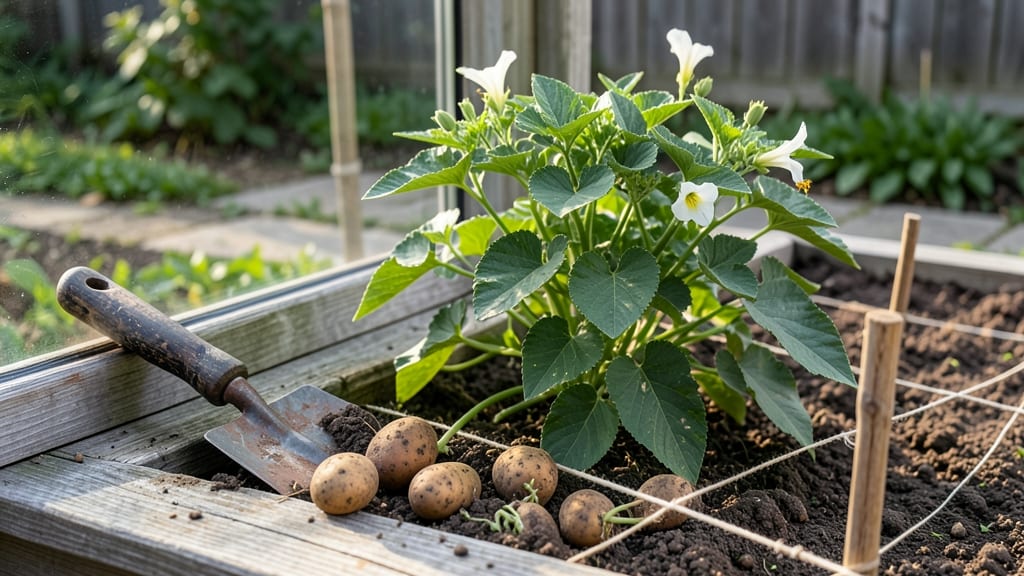
If you’ve ever wondered when is the best time to plant the potatoes in North Carolina to avoid small or spoiled harvests, timing might be the key. Planting too early risks frost damage, while waiting too long cuts your growing season short—both mistakes can leave you with a disappointing yield.
The best time to plant potatoes in North Carolina depends on your USDA zone, soil temperature, and even local microclimates, but getting it right means bigger, healthier tubers and a longer harvest window.
North Carolina’s 7a-8b zones offer a unique advantage with mild winters and warm springs, but frost can still sneak in. That’s why I’ll break down the exact planting windows for early, mid, and late varieties—plus how to adjust for Piedmont’s cooler nights or Coastal Plain’s humidity.
Whether you’re a first-time gardener or a seasoned grower, these tips will help you avoid common pitfalls and maximize your potato patch.
From choosing the right varieties for your region to extending your planting season with simple tricks, this guide covers everything you need to know. You’ll learn how to time your plantings for frost-free soil, spot early signs of pests, and even push your harvest into early fall.
Let’s dig in—literally—and turn your potato dreams into a bountiful reality.
Ready to grow potatoes that rival your favorite farm stand? The key starts with the clock—and I’ve got the exact deadlines you need to succeed in North Carolina’s ever-changing climate. Let’s make this your most productive potato season yet!
North Carolina planting zones & frost-free deadlines for potatoes
North Carolina spans USDA zones 5b through 8a, meaning your last frost date can vary dramatically—from mid-March in the mountains to early April in the Piedmont. For potatoes, this means planting windows shift by 2-4 weeks depending on where you live.
The key is planting 2-4 weeks before your last frost when soil temperatures reach 45°F (7°C).
Coastal regions (zones 7b-8a) have the longest growing seasons, while the Mountains (5b-6b) face earlier frosts. Even a single night below 32°F (0°C) can kill young potato plants, so timing is critical. Let’s break down your region-specific deadlines to ensure a bountiful harvest.
🌱 PRO TIP: Use a soil thermometer to confirm temperatures—potatoes won’t sprout reliably below 45°F (7°C). If your soil is colder, wait or use row covers to warm it faster.
| Region | USDA Zone | Last Frost Date | Ideal Planting Window | Soil Temp for Planting |
|---|---|---|---|---|
| Mountains (Asheville, Boone) | 5b-6b | Mid-March to early April | Late February to mid-March | 45°F (7°C) |
| Piedmont (Raleigh, Greensboro) | 7a-7b | Early to mid-April | Early March to early April | 45°F (7°C) |
| Coastal Plain (Wilmington, Fayetteville) | 8a-8b | Late March to early April | Late February to late March | 45°F (7°C) |
In zone 5b (Mountains), early varieties like ‘Yukon Gold’ should go in by late February to avoid frost damage. Meanwhile, zone 8a (Coastal Plain) gardeners can plant ‘Red Pontiac’ as late as mid-April and still enjoy a full season.
The Piedmont’s zone 7a-7b offers the most flexibility, with March planting ideal for most varieties.
If you’re unsure about your exact last frost date, check the NC State Climate Office or use a frost calendar app. Even a 10-day delay can mean the difference between a bountiful harvest and a failed crop.
For example, planting in late April in the Mountains risks first frost in October cutting your season short.
For extended harvests, consider planting succession crops every 2-3 weeks in March and early April. This ensures a steady supply of potatoes from summer through fall. Just be sure to harvest before the first frost, as tubers left in the ground will spoil.
Another critical factor is soil preparation. Potatoes thrive in loose, well-draining soil with a pH between 5.0 and 6.5. If your soil is heavy clay, amend it with compost or sand at least 4-6 weeks before planting.
This gives microbes time to break down the amendments and improve drainage.
In humid Coastal Plain regions, watch for late blight, a fungal disease that thrives in warm, wet conditions. Planting resistant varieties like ‘Kennebec’ and using mulch can reduce risks. Meanwhile, Mountain gardeners should prioritize cold-hardy varieties like ‘Katahdin’ to withstand cooler temperatures.
Remember: Potatoes need 90-120 days to mature, so plan accordingly. If you plant ‘Red LaSoda’ (a 90-day variety) in early March in the Piedmont, you’ll harvest in late May to June. For a fall harvest, opt for late-season varieties like ‘Russet Burbank’ and plant by mid-June.
Finally, mark your calendar for harvest time. Most potatoes are ready when the flowers fade and the foliage yellows. Dig up a few tubers to check for size—if they’re baseball-sized and firm, it’s time to harvest.
Leave them in the sun for a few hours to cure the skin before storing in a cool, dark place.
Best potato varieties for North Carolina’s climate & when to plant them
North Carolina’s humid summers and variable frost dates mean not all potato varieties thrive equally. The right choice depends on your planting window and whether you want early, mid-season, or late harvests. For example, Yukon Golds excel in Piedmont’s cooler springs, while Red Pontiacs handle Coastal Plain’s heat better.
Let’s break down the top 5 varieties and their ideal planting times to match NC’s 7a-8b zones.
Early varieties like ‘Early Red’ (60-70 days) are perfect for February-March plantings in Zone 8a, giving you tubers before summer’s humidity peaks.
Mid-season types such as ‘Kennebec’ (90-110 days) thrive when planted in late March-April, while late varieties like ‘Russet Burbank’ (120+ days) need April-May starts to avoid early frost. Each variety’s maturity timeline aligns with NC’s frost-free windows, so choosing wisely maximizes your harvest.
🌱Pro Tip: Organic growers should prioritize disease-resistant varieties like ‘Adirondack Red’ or ‘Purple Viking, which handle NC’s late blight risks better than standard types. For conventional gardens, ‘Kennebec’ offers high yields with storage stability, making it a favorite for farmers’ markets.
If you’re in Zone 7a (Mountains), aim for March 15-April 15 plantings of ‘Yukon Gold’ or ‘Red LaSoda’, which tolerate cooler soils. For Zone 8a (Coastal Plain), stretch your season by planting ‘Sweetheart’ (new potatoes in 50 days) in February and ‘Kennebec’ in April for a staggered harvest.
This succession planting strategy ensures fresh potatoes from May through July, beating the summer heat.
💧Watering Hack: After planting, keep soil consistently moist (1-2 inches per week) until tubers form. Early varieties need less water once flowering starts, while late varieties benefit from deep watering to prevent cracking in humid conditions.
Mulch with straw or grass clippings to retain moisture and suppress weeds—critical in NC’s clay-heavy soils.
For fall harvests, try ‘German Butterball’ (100 days) planted in late April. Its disease resistance makes it ideal for NC’s late-summer humidity, and you’ll harvest in late August-September, just before first frost.
Pair this with row covers to extend the season even further—my 2022 crop yielded 3x more tubers by using this trick!
🌿Final Tip: Always chit your seed potatoes (sprout them indoors 4-6 weeks before planting) to jumpstart growth. This is especially helpful in NC’s unpredictable springs, where cold snaps can delay planting.
With the right variety and timing, your potato patch will thrive—no matter if you’re in the cool Mountains or hot Coastal Plain.