
Plants
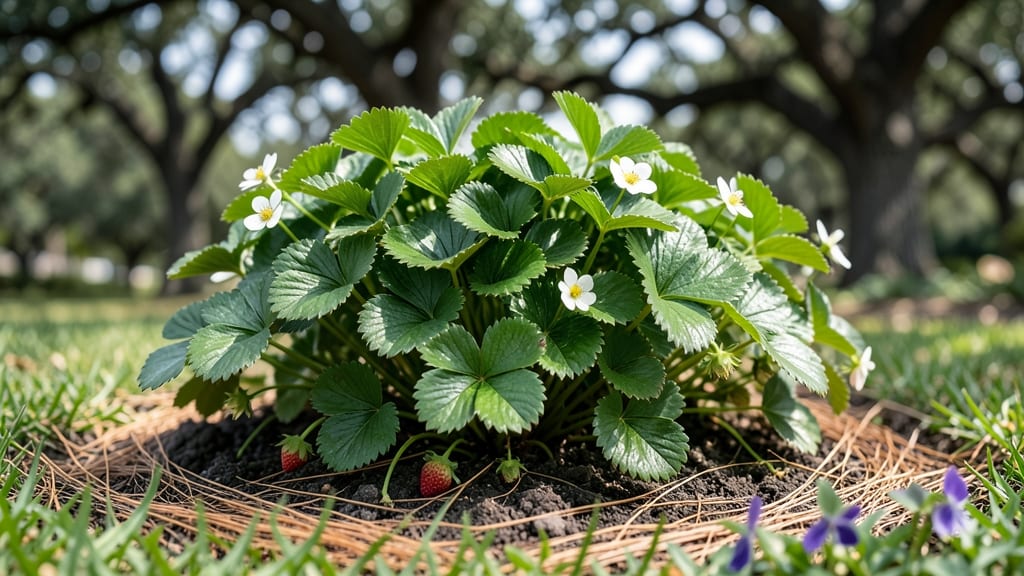
Planting at the wrong time in Florida’s 8a-11 zones can turn your strawberry patch into a heat-stressed mess—especially when coastal humidity clashes with inland scorching sun.
Coastal areas like Miami need different strategies than inland zones like Orlando. Too much heat or humidity can trigger fungal diseases or sunburn, but with the right timing and care, you’ll avoid these pitfalls entirely.
Let me walk you through the exact schedule and tips tailored to your specific Florida heat zone.
Here’s the game-changer: by planting in fall or winter, you’ll maximize your harvest—and maybe even enjoy strawberries year-round. Whether you’re a first-time gardener or a seasoned grower, these insights will help you turn your garden into a sweet success story.
Optimal planting windows for Florida strawberries by heat zone
Florida’s unique climate—spanning USDA Zones 8a-11—means strawberries can grow year-round, but timing is critical to avoid heat stress, pests, or poor fruit set. Unlike northern climates, Florida gardeners focus on fall and winter planting to escape summer’s brutal heat and humidity.
The best windows are September-October (fall) and January-February (winter), with adjustments based on your specific zone and microclimate.
In coastal areas (Zones 9a-11), like Miami or Fort Lauderdale, the biggest threat isn’t frost but hurricane risks and fungal diseases during summer. Inland zones (e.g., Orlando, Tallahassee) face intense summer heat and spider mite outbreaks, making early fall or winter the safest bets.
Even in frost-free zones, high temperatures above 90°F can stunt growth or cause sunburn on leaves.
Here’s how to align your planting with Florida’s heat zones and seasonal risks:
| Zone & Location | Best Planting Window | Key Risks to Avoid | Harvest Window |
|---|---|---|---|
| Zone 8a (North FL: Jacksonville, Gainesville) | Late September or January (after last frost) | Frost (Dec-Jan) and heat stress (summer) | March-May (fall-planted) or June-August (winter-planted) |
| Zone 9a (Central FL: Orlando, Tampa) | Early September or mid-January | Spider mites (summer) and fungal diseases (wet seasons) | February-April (fall) or May-July (winter) |
| Zone 9b-10a (South FL: Miami, Fort Myers) | August-September or December-January | Hurricane damage (summer) and heat stress (year-round) | January-March (fall) or April-June (winter) |
| Zone 11 (Key West, Homestead) | July-August (shade-cloth required) or November-December | Sunburn and pests (year-round) | September-October (fall) or February-April (winter) |
For Zone 8a gardeners, focus on fall planting by late September to establish roots before winter chills.
In Zones 9a-10a, January is ideal—cooler temps reduce stress, and you’ll harvest just as summer heat ramps up. Zone 11 is the exception: summer planting is possible with 50% shade cloth to protect from relentless sun.
Pro tip: Bare-root plants (available at nurseries) thrive best in Florida’s climate. Avoid seeds unless you’re patient—transplants yield fruit 60-90 days faster. Look for day-neutral varieties like 'Chandler' or 'Camarosa', which handle Florida’s heat better than June-bearing types.
After planting, mulch heavily with straw (2-3 inches) to retain moisture and block weeds. In coastal zones, add a 1-inch layer of pine bark to improve drainage during hurricane season. Water deeply 2-3 times weekly in summer, but reduce to weekly in fall/winter to prevent rot.
Timing also affects pest prevention. Planting in fall or winter avoids the June-August spider mite surge common in inland areas. Coastal gardeners should prune lower leaves to improve airflow and reduce fungal risks like gray mold.
Remember: Florida’s no-frost zones still have seasonal highs and lows. Even in Miami, temperatures dip to 60°F at night in winter—perfect for strawberry growth. The goal is to plant when daytime temps stay below 85°F and nights above 50°F for optimal root development.
🌱
Coastal Florida strawberry planting: managing humidity and hurricane risks
Coastal Florida—think Miami, Tampa, or Fort Myers—presents unique challenges for strawberry growers. The high humidity and hurricane risks demand a different approach than inland areas. If you’re planting here, timing your strawberries for early fall or winter is non-negotiable.
These months give your plants time to establish strong roots before the wet season and storm threats ramp up in late summer.
In my coastal garden, I’ve found that September and October are the sweet spots. Planting then lets your strawberries avoid the peak hurricane season (June-November) while still benefiting from cooler temperatures.
The trade-off? You’ll harvest earlier, but the berries tend to be sweeter and less prone to mold. For winter planting, aim for January—just before the spring heat kicks in.
🚨 CRITICAL WARNING: Coastal strawberries need extra protection from fungal diseases like gray mold and botrytis. The humidity here is a breeding ground for these issues. I’ve lost entire patches when I ignored this—don’t make the same mistake!
⚠️ Coastal Strawberry Pitfalls & Fixes
- Problem: Fungal diseases thrive in coastal humidity. Solution: Use drip irrigation (never overhead watering) and space plants 12 inches apart for airflow.
- Problem: Hurricane winds can uproot young plants. Solution: Plant near windbreaks like bamboo fencing or shrubs.
- Problem: Salt spray from storms damages leaves. Solution: Rinse plants with fresh water after coastal storms.
Pro tip: Add 1 inch of mulch (straw or pine needles) to suppress weeds and retain moisture without trapping humidity.
For soil prep, coastal gardeners should focus on drainage. Sandy soils here can dry out quickly, but they also compact easily when wet. Amend your soil with 2-3 inches of compost or aged manure before planting.
I swear by a mix of coconut coir and peat moss to improve water retention without suffocating roots.
Shade is another coastal must. In summer months, even partial shade (30-50%) can prevent sunburn on strawberry leaves. Use lightweight shade cloth (30% shade) or plant near taller crops like tomatoes or peppers. Just avoid deep shade—strawberries still need 6+ hours of sunlight daily to fruit well.
Finally, coastal strawberries need consistent watering but hate soggy soil. Water deeply twice weekly in dry spells, always in the morning to let foliage dry before nighttime humidity sets in. If a storm’s coming, reduce watering 48 hours beforehand to toughen up your plants.
With these adjustments, coastal Florida strawberries can thrive—just don’t skip the mulch and shade! 🌱