
Plants
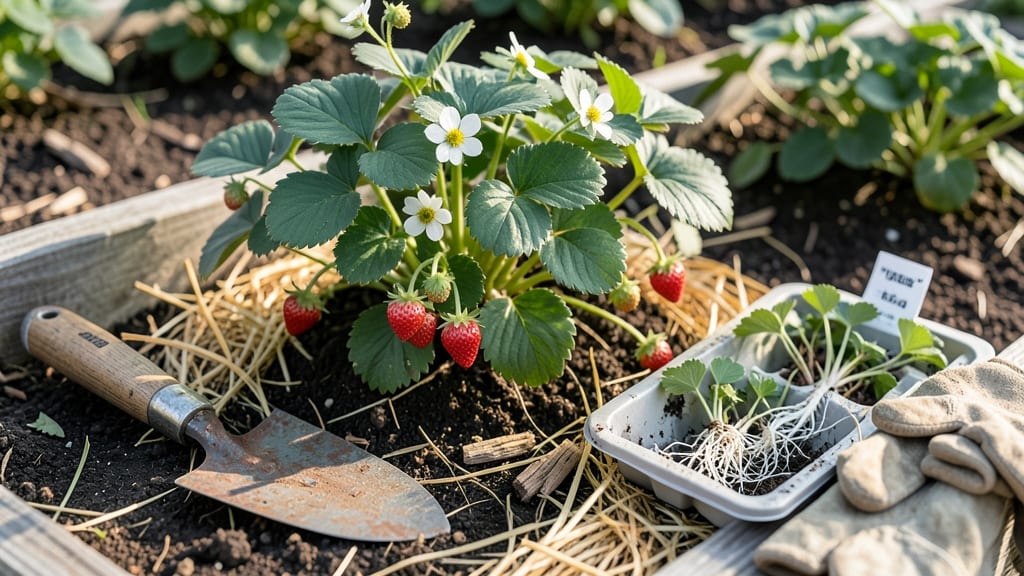
When is the best time to plant strawberries in Texas? It isn’t just about picking a month—it’s about outsmarting your microclimate. Whether you’re in the Panhandle’s freezing winters or South Texas’s balmy coastal air, the wrong timing can mean lost crops or disappointing yields. The best window depends on your last frost date, soil warmth, and even which strawberry variety you choose.
For most Texas gardeners, the sweet spot is late September through early November for fall planting or February to early March for spring. But here’s the catch: North Texas (like Dallas) needs to plant earlier than Houston, where mild winters let you stretch your window.
We’ll break down exactly when to plant based on your region—and how to protect your 🍓 from unexpected frost or scorching heat.
You’ll also discover how to extend your growing season with mulch, cold frames, and the right varieties for Texas heat. No more guessing whether your strawberries will survive—or thrive. Let’s get your Texas strawberry patch off to the perfect start.
Ready to turn your garden into a berry bonanza? The key is knowing your local frost patterns and soil conditions. I’ll walk you through every step, from soil prep to post-planting care, so you can harvest sweet, juicy strawberries all season long.
Texas microclimate planting zones: when to plant strawberries by region
Texas stretches across multiple USDA hardiness zones (8a–10b), meaning the best time to plant strawberries varies dramatically from the Panhandle’s freezing winters to the Rio Grande Valley’s mild coastal climate.
In North Texas (Dallas/Fort Worth), where last frosts average February 15, fall planting is critical to establish roots before winter. Meanwhile, South Texas (Houston/Coastal) gardeners can plant as early as January thanks to its USDA Zone 9a warmth.
Central Texas (Austin/San Antonio) falls in Zone 8a-8b, offering a 6-week window between September 15 and November 1 for fall planting. West Texas (El Paso/Lubbock) in Zone 7b-8a demands even earlier action—late August to October—to avoid sub-freezing temperatures that can kill young plants.
My top tip: Always check your local agricultural extension service for updated frost dates, as microclimates can shift yearly.
Timing isn’t just about frost—it’s also about soil temperature. Strawberries thrive when soil stays above 40°F (4°C). In North Texas, soil warms to this threshold by mid-March, making February–early March ideal for spring planting.
In South Texas, where soil rarely dips below 50°F (10°C), you can plant year-round, though fall (September–October) yields the sweetest berries.
Here’s how to align your planting with Texas’s four key regions, including last-frost dates, optimal windows, and variety recommendations:
| Region | USDA Zone | Last Frost Date | Fall Planting Window | Spring Planting Window | Best Varieties |
|---|---|---|---|---|---|
| North Texas (Dallas/Fort Worth) | 8a-8b | Feb 15 | Late Sept–Nov 1 | Feb 15–Mar 15 | Chandler, Sweet Charlie |
| Central Texas (Austin/San Antonio) | 8a-8b | Feb 1 | Sept 15–Nov 1 | Feb 1–Mar 10 | Seascape, Fort Laramie |
| South Texas (Houston/Coastal) | 9a-10b | Jan 1 | Sept–Nov | Feb–Apr | Camarosa, Albión |
| West Texas (El Paso/Lubbock) | 7b-8a | Feb 28 | Aug 15–Oct 15 | Mar 1–Apr 1 | Oso Grande, Totem |
For North and West Texas, where winters are harshest, everbearing varieties like Totem or Oso Grande are my go-to. These produce two harvests per year—one in spring and another in fall—and handle cold snaps better than June-bearing types.
In South Texas, where heat stress is the bigger enemy, June-bearing varieties like Camarosa thrive with afternoon shade during peak summer.
Pro tip: Soil prep is just as critical as timing. Strawberries prefer slightly acidic soil (pH 5.5–6.5). In Central Texas’s alkaline soils, I mix in peat moss or sulfur to lower pH before planting. For container growing—ideal for urban Texas gardeners—use
How to extend your strawberry growing season in Texas: cold frames, mulching, and variety selection
Texas gardeners can push strawberry planting windows further than the standard fall or spring windows by using smart strategies. In North Texas, for example, you can plant as early as mid-October with frost protection, while South Texas gardeners might extend harvests into late fall with shade cloth.
The key is understanding your microclimate and adapting techniques accordingly.
One of my favorite tricks is using mulch to regulate soil temperature. A thick layer of straw or pine straw (3-4 inches) insulates roots from winter freezes and keeps soil cool in summer.
This allows strawberries to thrive in USDA Zones 8a-10b even when temperatures fluctuate wildly. For everbearing varieties, this means two harvests per year!
Cold frames are another game-changer for early spring or late fall planting. A simple DIY cold frame (clear plastic over a wooden frame) can raise soil temperatures by 10-15°F, letting you plant 4-6 weeks earlier in spring or extend harvests by 3-4 weeks in fall.
Just be sure to ventilate during warm days to prevent overheating.
- Use 3-4 inches of mulch to insulate roots from temperature swings.
- Plant everbearing varieties like 'Chandler' or 'Seascape' for year-round harvests.
- Set up cold frames to plant 4-6 weeks earlier in spring.
- Install shade cloth (30-50%) in summer to protect from scorching heat.
- Choose heat-tolerant varieties like 'Sweet Angel' for Central Texas.
Variety selection is critical for Texas success. June-bearing varieties like 'Fort Laramie' thrive in cooler North Texas climates, while everbearing types such as 'Albionel' perform better in South Texas's warmer winters.
For West Texas, opt for drought-tolerant varieties like 'San Andreas' that handle low humidity and intense sun.
Don’t overlook soil preparation—amend your beds with compost and aged manure to improve drainage, which is crucial in Texas’s heavy clay soils. A slightly acidic pH (5.5-6.5) encourages root growth, and adding organic matter helps retain moisture during summer droughts.
I’ve seen yields double when I take this extra step!
Finally, watering discipline makes all the difference. Strawberries need consistent moisture, especially during Texas’s blazing summers. Drip irrigation is ideal—it delivers water directly to roots and reduces fungal diseases. Avoid overhead watering, which can spread gray mold in humid conditions.