
Planting
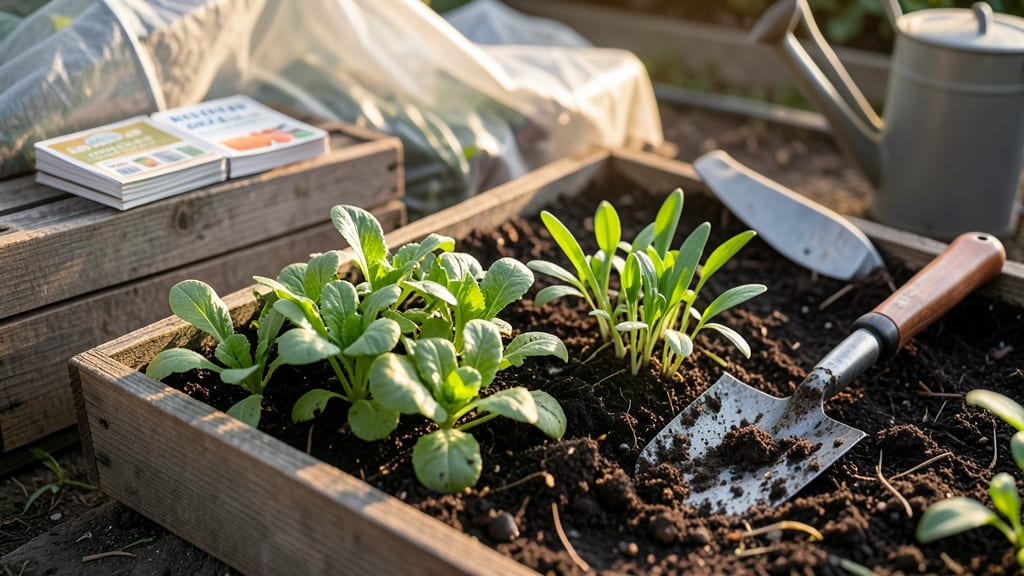
Timing when to plant a fall garden in South Texas isn’t just about avoiding frost—it's about outsmarting the lingering summer heat while setting up crops for a longer harvest window before winter sets in.
Most gardeners in USDA Zones 9a-10a assume fall planting starts in September, but the real secret lies in August—when soil temps are still warm enough for heat-loving crops like okra and sweet potatoes to establish roots before cooler nights arrive.
I've learned the hard way that planting too late means struggling with slow growth or bolting greens, while starting too early risks heat stress. The sweet spot? A 6-8 week window before your first frost—typically between mid-August and early October—where you can still reap rewards through December.
What if you could extend your harvest even further? With the right crop choices and a few smart adjustments, your 🥕 fall garden could keep producing well into the holiday season—without the guesswork. Let's break down exactly how to make it happen.
Optimal planting timeline for South Texas fall gardens (by heat zone)
South Texas' extended growing season means you can plant heat-resistant crops well into late summer, but timing is critical. The key is to start 6-8 weeks before your average first frost (typically around December 1 in most areas).
For Houston and San Antonio, this means planting late July through early September, while the Rio Grande Valley can push planting to mid-October due to its milder winters.
Your USDA Zone 9-10 climate allows for a longer fall planting window, but soil temperatures above 90°F can stress seedlings. Aim to plant when daytime highs drop below 95°F—usually by mid-August in most areas. Use shade cloth or drip irrigation to protect young plants during heat spikes.
Here’s your heat-zone-specific planting schedule for South Texas, broken down by crop type and region:
| Crop Type | Ideal Planting Window | Heat Zone Notes | Frost-Free Deadline |
|---|---|---|---|
| Leafy Greens (Malabar Spinach, Kale) | Late August - Early September | Tolerates 90°F+ soil; direct sow after heat waves. | October 15 (Houston/San Antonio) |
| Root Vegetables (Carrots, Beets, Sweet Potatoes) | Early August - Mid-September | Sweet potatoes thrive in 85-95°F soil; carrots need cooler temps. | November 1 (Rio Grande Valley) |
| Legumes (Black-Eyed Peas, Cowpeas) | Mid-August - Late September | Heat-tolerant; plant when nights cool to 70°F+. | October 31 (All zones) |
| Okra & Peppers (Heat-Lovers) | June - Early September | Plant early for fall harvest; okra handles 100°F+. | No frost deadline (harvest before Dec 1). |
| Broccoli & Cabbage (Cool-Season) | Late September - Early October | Start transplants after soil cools below 85°F. | November 15 (All zones) |
For Houston and San Antonio, prioritize fast-maturing crops like okra, black-eyed peas, and Malabar spinach—they can handle the lingering summer heat while still delivering a harvest before frost.
In the Rio Grande Valley, you’ve got more flexibility: broccoli, cabbage, and carrots can be planted as late as mid-October for a winter harvest.
Pro tip: Use row covers or low tunnels to extend your planting window by 2-3 weeks in cooler microclimates. These protective barriers shield crops from unexpected cold snaps while still allowing sunlight and airflow. Just remove them during the day if temperatures rise above 75°F.
If you’re planting seeds vs. transplants, adjust your timeline: seeds need 4-6 weeks to germinate in warm soil, while transplants can be set out 2-3 weeks later.
For example, sow carrot seeds in early August for a fall harvest, but buy broccoli transplants in late September to avoid bolting in the heat.
Don’t forget to test your soil temperature before planting—ideal ranges are 60-75°F for most fall crops. Use a soil thermometer to check depths of 1-2 inches. If temps are still above 85°F, hold off until conditions improve or use shade cloth to cool the soil.
Finally, water deeply 1-2 times per week once plants are established, focusing on the root zone to encourage deep growth. Morning watering is key—it reduces evaporation and fungal diseases that thrive in South Texas’ humid afternoons.
With this timeline, you’ll avoid the common pitfall of planting too early (when heat stresses seedlings) or too late (when frost cuts harvests short). Stick to these deadlines, and you’ll enjoy a
Heat-resistant crops that thrive in South Texas fall planting
South Texas summers don’t quit easily, and many fall crops wilt under 90°F+ soil temperatures. But don’t let the heat fool you—some varieties are built to outperform in late summer and deliver harvests well into fall.
I’ve tested these heat-tolerant champions in my own garden, and they consistently beat the odds.
Your best bets are okra, sweet potatoes, and Malabar spinach, which thrive when most gardens are already wilting. These crops not only survive but flourish in August heat, giving you a head start before cooler weather arrives.
The key? Planting them early enough to establish roots before temperatures dip.
🌡️ Heat Tolerance Ratings
For a balanced fall garden, pair these heat-lovers with cool-season crops like kale and collard greens, which you can direct-sow in late September as temperatures begin to drop.
The transition from summer to fall is your golden window—plant heat-tolerant crops in early August and cooler-loving varieties in mid-September.
Don’t overlook herbs like rosemary and thyme, which also thrive in South Texas heat and can be planted alongside your vegetables. These perennials will reward you with year-round harvests if established correctly. Just be sure to mulch heavily to retain moisture and regulate soil temperature.
Timing is critical—plant okra and sweet potatoes by August 1st to ensure they mature before the first frost (typically mid-December in most of South Texas). If you miss this window, switch to faster-maturing varieties like bush beans or turnips, which can still deliver harvests before winter sets in.
Pro tip: Use drip irrigation to keep roots cool and water deeply in the early morning to prevent fungal issues. This simple adjustment can double your success rate in the South Texas heat.
With the right crops and care, your fall garden can be just as productive as your spring one!