
Plants
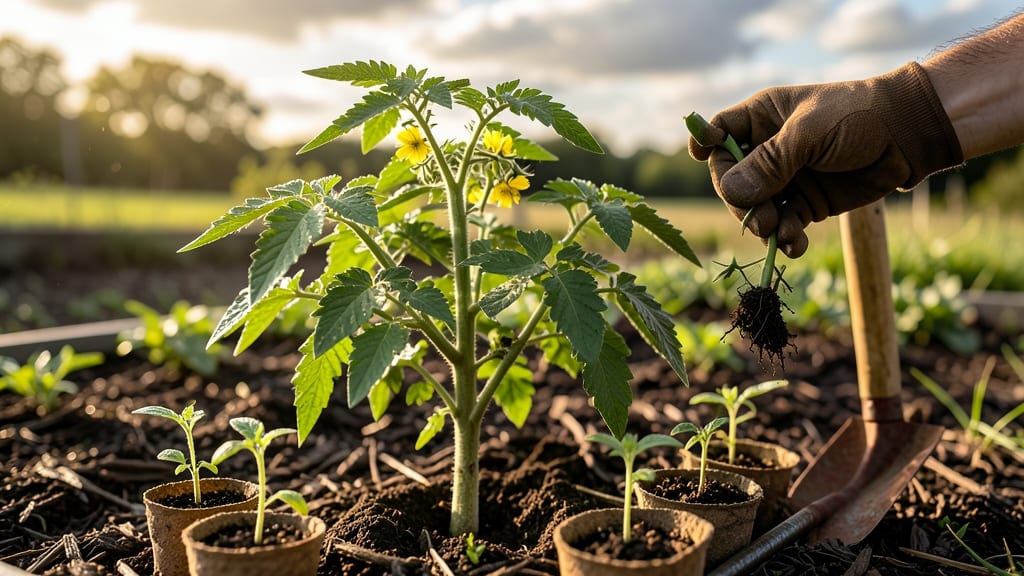
If you've ever wondered when is the best time to plant tomatoes in Arkansas, timing isn't just about avoiding frost—it's about unlocking the full potential of your 🍅 harvest.
Arkansas gardeners know that planting too early risks frost damage, while waiting too long can mean smaller yields or even no tomatoes at all.
The key lies in understanding your specific zone within Arkansas's 7a-8a range, where last frost dates can vary by weeks. For most gardeners, the sweet spot is mid-April to early June, but that window shifts slightly depending on whether you're starting seeds indoors or transplanting young plants.
Getting this right means healthier plants, bigger harvests, and tomatoes that ripen just when you need them.
What makes Arkansas unique is its long, hot summers that demand the right tomato varieties and planting strategies. We'll break down exactly when to start seeds indoors, when to move them outside, and how to adjust for your specific corner of the state.
With the right approach, you could be enjoying homegrown tomatoes from June all the way through October.
Ready to transform your garden? Let's dive into the zone-specific details that will help you time your tomato planting perfectly—so you can enjoy that first juicy bite without any guesswork. The secret to a bountiful harvest starts with knowing exactly when to plant.
Arkansas planting zones: when to start tomatoes indoors vs. transplanting outdoors
Arkansas spans USDA zones 6b through 8a, which means your exact planting timeline depends on where you live in the state. Northern Arkansas (zones 6b-7a) has later last frost dates—typically mid-April—while southern Arkansas (zones 7b-8a) can plant as early as late March.
This zone difference creates a 4-week window in planting timing across the state, so knowing your specific zone is critical for success.
For most Arkansas gardeners, the best time to plant tomatoes is between mid-April and early June, but this varies based on whether you're starting seeds indoors or transplanting young plants.
The key is to time your planting so that seedlings are ready to move outside after the last frost and when soil temperatures consistently reach 60°F or higher. Let's break down the exact steps for both methods.
🌱 PRO TIP: Use a soil thermometer to check temperatures—tomatoes won't thrive if planted in cold soil. Aim for 60°F+ at a depth of 2-3 inches for optimal germination and growth.
| Zone | Last Frost Date | Indoor Start Date | Outdoor Transplant Window | Soil Temp Requirement |
|---|---|---|---|---|
| 6b (Northern AR) | Mid-April | Early March | Late April to early May | 60°F+ |
| 7a (Central AR) | Early April | Late February | Mid-April to late May | 60°F+ |
| 7b (Central AR) | Late March | Late February | Early April to mid-May | 60°F+ |
| 8a (Southern AR) | Mid-March | Early February | Late March to early May | 60°F+ |
Source: Arkansas State University Extension Service & National Weather Service
If you're starting seeds indoors, begin 4-6 weeks before your last frost date to ensure seedlings are robust enough for transplanting. For example, gardeners in zone 7a should start seeds indoors by late February, while those in zone 6b should wait until early March.
Use grow lights if natural light is limited, as seedlings need 12-16 hours of light daily to prevent leggy growth.
When transplanting outdoors, wait until nighttime temperatures stay above 50°F and soil temperatures reach 60°F+. In Arkansas, this typically aligns with mid-April to early May, but always check local frost forecasts. Hardening off seedlings—acclimating them to outdoor conditions—is a 7-10 day process that starts 1-2 weeks before transplanting.
For gardeners in southern Arkansas (zones 7b-8a), you can push the envelope slightly by planting early varieties as soon as soil is workable, often as early as late March. However, always be prepared to cover young plants with frost cloth if an unexpected cold snap hits.
The Arkansas Agricultural Statistics Service reports that late frosts can occur as late as mid-April, even in warmer zones.
One strategy I’ve used successfully in my zone 7a garden is to plant a mix of early and late varieties. Early varieties like 'Early Girl' can go in the ground as soon as soil warms, while heat-tolerant varieties like 'Heatmaster' are planted slightly later to extend the harvest season.
This two-pronged approach ensures tomatoes from June through October.
Don’t forget to prepare your soil before planting. Arkansas clay soil benefits from amendments like compost or aged manure to improve drainage and fertility. A soil test from the University of Arkansas Cooperative Extension can help you determine if additional nutrients like phosphorus or potassium are needed.
Aim for a pH between 6.0 and 6.8—tomatoes thrive in slightly acidic to neutral soil.
Finally, consider using black plastic mulch to warm the soil faster and suppress weeds. This is especially helpful in northern Arkansas, where cooler soils can delay germination. By combining the
Heat-tolerant tomato varieties for Arkansas: best choices for long, hot summers
Arkansas's long, humid summers demand tomato varieties that thrive in 90°F+ temperatures and resist common diseases like blight and fusarium wilt. The wrong variety can mean wilted leaves or poor fruit set, but the right one ensures a steady harvest from June through October.
For my garden, I've found that heat-tolerant varieties like 'Heatmaster' and 'Solar Fire' perform best under Arkansas's intense sun.
Determinate varieties like 'Celebrity' are my go-to for early harvests and compact growth, perfect for small spaces or container gardening. They produce fruit all at once, which is great for canning, but indeterminate types like 'Better Boy' keep producing all season long.
The trade-off? Indeterminate vines need more space and support—but the continuous harvest makes it worth it for my large garden beds.
🌱
For my northern Arkansas garden (USDA Zone 7a), I prioritize varieties that handle late spring frosts and summer humidity. 'Arkansas Traveler' is a local favorite because it's bred for our climate—it resists diseases like early blight and produces fruit even when temperatures dip at night.
In contrast, my southern Arkansas plots (Zone 8a) get planted with 'Heatmaster' and 'Solar Fire' to withstand the 100°F+ afternoons common in areas like Little Rock or Texarkana.
Pro tip: If you're growing indeterminate varieties, invest in trellises or cages early—they'll need support as vines reach 6-8 feet. I use 5-foot tomato cages for determinate types and wooden stakes with twine for indeterminate vines.
This keeps fruit off the ground and improves air circulation, reducing disease risk in Arkansas's damp summers.
🌿
Don't overlook disease resistance when selecting varieties. Look for labels mentioning VFN (resistant to verticillium, fusarium, and nematodes) or T (tolerant of tobacco mosaic virus). In my experience, 'Heatmaster' with its VFN resistance has saved my plants multiple times during Arkansas's humid summers.
Pair your variety choice with crop rotation and healthy soil to give your tomatoes the best shot at success.