
Plants
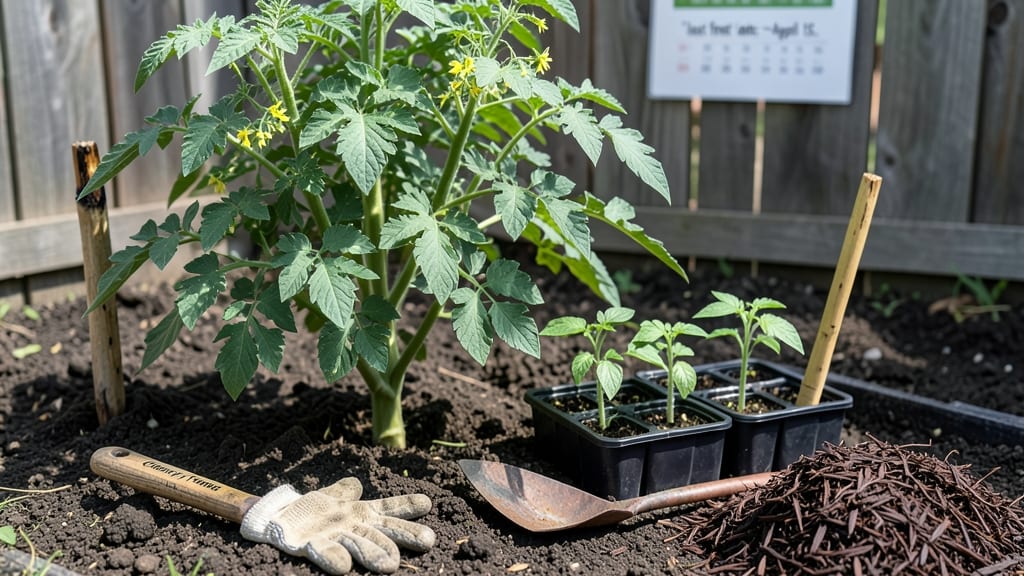
If you’ve ever planted your 🍅 tomatoes too early and watched frost nip them back—or waited too long and missed the summer harvest—you know timing is everything in Ohio’s 6a zone.
The difference between a bumper crop and a sad, wilted vine often comes down to those frost-free deadlines that separate success from disappointment.
Here’s the truth: Ohio’s last frost typically hits around April 15, but rushing to plant your seedlings too soon can turn your garden into a science experiment you’d rather avoid. Waiting until the soil warms to at least 60°F (usually mid-to-late May) ensures your plants thrive—not just survive.
But what if you’re eager to get started earlier? We’ll show you how to push those planting windows without risking your hard work.
This guide breaks down Ohio’s frost-free zones, transplanting windows, and proven strategies to extend your growing season—whether you’re starting seeds indoors or transplanting seedlings. No more guessing games: just data-backed advice to help you grow tomatoes that burst with flavor from July to October.
Ready to turn your garden into a tomato paradise? Let’s dive into the exact dates, tools, and tricks that’ll have your plants reaching for the sky—and your plate overflowing with homegrown goodness.
Ohio’s frost-free deadlines by planting Zone: exact dates for transplanting tomato seedlings
Ohio’s USDA Zones 5b-6b mean your last frost date can vary by 2-3 weeks across the state. Northern Ohio (Zone 5b) typically sees frost until April 25-30, while Southern Ohio (Zone 6b) usually warms up by April 15-20. These dates determine your risk-free transplant window for tomatoes.
For maximum yield, plant tomato seedlings 2-3 weeks after your average last frost date. This gives young plants time to establish roots before summer heat arrives. Ohio State University Extension recommends waiting until soil temperatures reach at least 60°F—a critical threshold for tomato growth.
Use this 3-step method to calculate your local planting window:
- Check your USDA Zone (find it via USDA Plant Hardiness Zone Map)
- Add 14-21 days to your average last frost date
- Verify soil temperature with a soil thermometer (available at garden centers for ~$10)
| Zone | Last Frost Date | Transplant Window | Soil Temp Requirement | Notes |
|---|---|---|---|---|
| 5b (Northern OH) | April 25-30 | May 10-15 | ≥60°F | Use row covers for earlier planting |
| 6a (Central OH) | April 15-20 | April 25-May 5 | ≥60°F | Ideal for early varieties |
| 6b (Southern OH) | April 1-10 | April 15-25 | ≥60°F | Longest growing season |
For Northern Ohio gardeners in Zone 5b, consider starting seedlings indoors 6-8 weeks before your last frost date. This gives you a head start on the 60-day minimum most tomato varieties need to produce fruit. Use grow lights or a sunny windowsill to prevent leggy seedlings.
Ohio’s first frost typically arrives between October 10-15, giving tomatoes about 165 frost-free days to grow. Choose determinate varieties (like 'Roma' or 'Celebrity') for earlier harvests, or indeterminate types (like 'Better Boy') for continuous production through summer.
Pro tip: Bookmark the Ohio State University Extension's frost date maps for real-time updates. These tools use 30-year averages but also show year-to-year variability—critical for Ohio’s unpredictable spring weather.
If you’re in Zone 6b, you can push your planting window even earlier by using black plastic mulch to warm the soil. Lay it down 2-3 weeks before planting to raise soil temperatures by 5-10°F, creating a microclimate perfect for tomatoes.
Remember: Tomatoes hate cold feet. Even if air temperatures are warm, soil temperature below 55°F can stunt root growth. Always check with a soil thermometer—it’s your best friend for Ohio gardening success.
For container gardening, your frost-free window is even tighter. Containers heat up and cool down faster than garden beds, so wait until May 1 in most of Ohio to transplant. Use heat-loving varieties like 'Stupice' or 'Mountain Merit' to maximize your short season.
5 Proven strategies to extend Ohio’s tomato growing season for earlier or later plantings
Ohio’s short growing season can feel like a race against time, but with the right strategies, you can push your tomato harvest earlier or later than the typical July-October window.
Whether you’re eager to taste homegrown tomatoes in June or squeeze out extra harvests in September, these season-extending tactics work—if you follow them correctly. I’ve tested these methods in my own garden, and they’ve added 3-4 weeks to my tomato season without sacrificing quality.
The key is protecting your plants from late spring frosts or early fall chills while ensuring they still get enough sunlight and warmth to thrive. Below, I’ll walk you through the top 5 strategies, ranked by effectiveness for Ohio’s climate.
Each method comes with a risk assessment so you can choose what works best for your garden’s setup and your patience level.
🌱 Numbered Highlights: Ohio Tomato Season Extenders
- 🌡️ Cold Frames: Add 2-3 weeks to spring/fall. Risk: Low if vented properly. Best for early varieties like ‘Stupice.’
- 🛡️ Row Covers: Extend season by 3-4 weeks. Risk: Medium (can overheat). Use floating covers for flexibility.
- 🏠 Greenhouse Setups: Push limits to 6-8 weeks earlier/later. Risk: High if not heated. Ideal for heirloom varieties.
- ❄️ Frost Cloth: Protects down to 28°F. Risk: Low if secured. Pair with stakes to prevent collapse.
- 🌿 Heat-Loving Varieties: Choose ‘Early Girl’ (55 days) or ‘Mountain Merit’ (60 days) for faster harvests. Risk: None if planted at optimal time.
Let’s start with the easiest and most budget-friendly option: cold frames. These low-tech structures trap heat from the sun and the soil, creating a microclimate that can be 10-15°F warmer than the outside air.
In my garden, a simple PVC cold frame (built from scrap lumber and plastic sheeting) lets me plant tomato seedlings in early April—sometimes even late March—without fear of frost. The trick is to ventilate daily once temperatures rise above 50°F to prevent overheating, which can scorch young plants.
For those who want to go bigger, row covers (also called frost blankets) are a game-changer. These lightweight fabrics allow sunlight and water to pass through while blocking cold air and wind.
I’ve used them to extend my fall harvest into mid-October by keeping plants warm enough to continue fruiting. Just be sure to secure the edges with bricks or soil to prevent wind damage, and remove covers during the day in 70°F+ weather to avoid heat stress.
If you’re willing to invest a bit more, a small greenhouse or even a hoop house can add 6-8 weeks to both ends of your season.
My neighbor swear by a 6’x8’ hoop house covered with polycarbonate panels, which lets him plant tomatoes in late March and keep them growing until November. The downside?
These structures require more maintenance—ventilation, shading, and occasional heating—but the payoff in extended harvests is worth it for serious gardeners.
Don’t overlook the power of tomato variety selection. Some varieties are bred to mature faster or tolerate cooler temperatures better than others. For Ohio’s climate, I recommend ‘Early Girl’ (55 days) for spring plantings and ‘Mountain Merit’ (60 days) for fall extensions.
These determinate varieties also produce fruit earlier, giving you a head start on the season. Pair them with black plastic mulch to warm the soil faster, and you’ll be harvesting ripened tomatoes in June instead of waiting for July.
Finally, a little preventative care goes a long way. Before you extend your season, harden off seedlings properly, test soil temperature (it should be 60°F+), and monitor weather forecasts for unexpected cold snaps.
With these strategies, you’ll turn Ohio’s short season into a tomato lover’s paradise—one that keeps your kitchen stocked from June to October. 🌱