
Trees
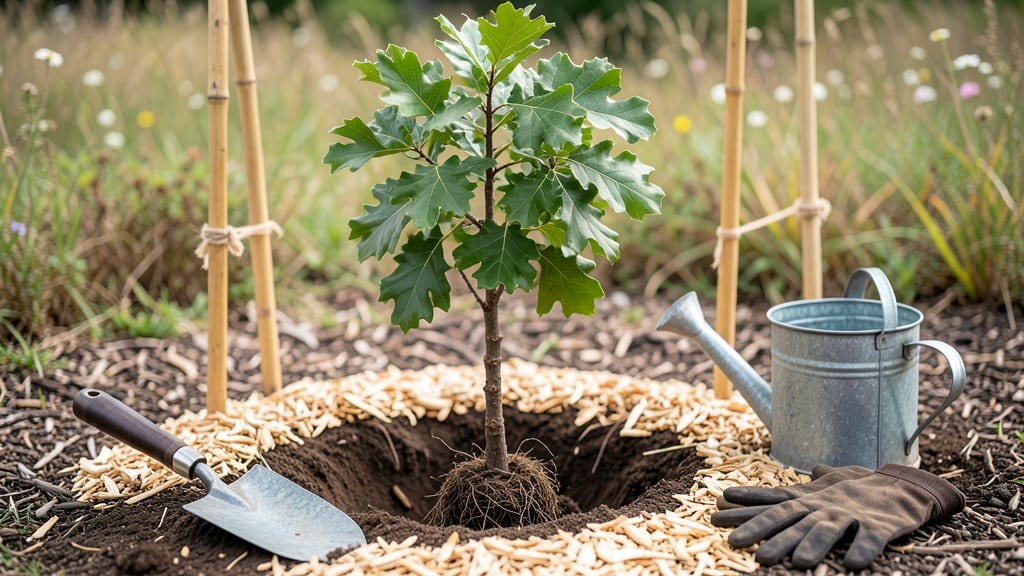
If you’ve ever watched a 🌳 Tree struggle to take root in North Texas’ scorching summers or freeze-sensitive winters, you know when is the best time to plant a tree in North Texas isn’t just about avoiding heat or cold—it’s about matching your tree’s chill-hour needs to the region’s unique microclimates.
Planting at the wrong season could mean years of frustration—or worse, losing your investment entirely. The best windows—fall (between October and November) and early spring (February to March)—give roots a head start before winter dormancy or summer’s brutal heat.
But here’s the catch: not all trees thrive in the same window. Deciduous varieties like oaks need cooler temps, while drought-tolerant species like mesquite can handle spring’s warmth. I’ll break down the exact planting windows for your region, so you can choose the right time for your tree’s success.
Why does this matter? Because a tree planted at the wrong time won’t just grow slower—it may never recover from transplant shock. You’ll learn how to prep your soil, avoid common mistakes (like overwatering or planting too deep), and pick the perfect species for your yard’s conditions.
I’ll walk you through the step-by-step process, from soil prep to post-planting care, so your new tree becomes a thriving part of North Texas’ skyline. No guesswork, just results.
Ready to transform your landscape? Stick around—I’ll guide you through every detail, ensuring your 🌳 Tree gets the strongest start possible.
North Texas planting seasons by tree type: chill-hours vs. heat tolerance
North Texas’ Zone 8a climate creates unique challenges for tree planting—too early, and your tree struggles with summer heat; too late, and winter cold stunts root growth. The key? Matching chill-hour requirements to North Texas’ microclimates (Dallas’ urban heat vs. Wichita Falls’ cooler nights).
Most native trees need 400-1,000 chill hours, while heat-lovers like mesquite thrive with fewer than 300.
Fall planting (October–November) is ideal because cooler temps reduce transplant shock, and roots establish before summer heat arrives. Early spring (February–March) works for container-grown trees or species with low chill needs. Avoid planting during Texas’ extreme heat (June–August) or freeze risks (December–January).
Here’s how North Texas’ three main tree types align with planting seasons:
| Tree Type | Chill-Hour Needs | Best Planting Window | Root Establishment Risk | North Texas Examples |
|---|---|---|---|---|
| Deciduous Trees | 600–1,000 hours | Fall (Oct–Nov) | High (summer drought) | Texas Red Oak, Shumard Oak, Chinese Pistache |
| Evergreen Trees | 300–500 hours | Early Spring (Feb–Mar) | Moderate (water stress) | Eastern Red Cedar, Live Oak, Yaupon Holly |
| Heat-Loving Trees | 0–300 hours | Year-round (except freeze) | Low (drought-adapted) | Pecan, Mesquite, Desert Willow |
For Dallas/Fort Worth, aim for October 1–November 15—this window balances cooler soil temps (ideal for roots) and avoids early freezes. In Wichita Falls, extend planting to mid-December due to slightly cooler winters.
Always check local frost dates; last frosts in North Texas typically hit February 15.
Pro tip: Bare-root trees planted in fall need 3–4 weeks of root growth before winter dormancy. Container-grown trees, however, can handle spring planting with minimal shock. Mulch 3–4 inches deep after planting to retain moisture and regulate soil temperature.
North Texas’ alkaline clay soils (pH 7.5–8.5) can stress young trees, so amend with compost or sulfur to lower pH if needed. Pecan and mesquite thrive in these soils, while oaks and maples may need acid-loving amendments like pine bark.
Transplant shock peaks when trees are planted in summer heat or winter cold. Symptoms include yellowing leaves, wilting, or stunted growth. To mitigate, water deeply 2–3 times weekly for the first month post-planting, then taper to weekly deep watering once established.
Local nurseries like Texas A&M AgriLife Extension recommend fall planting for most natives because cooler temps reduce water needs and roots grow faster than top growth.
For example, a Texas Red Oak planted in October can reach 2–3 feet of root depth by spring—critical for surviving North Texas’ 100°F+ summers.
Remember: Container-grown trees have a head start on root establishment, making them safer for spring planting (February–March). Bare-root trees, however, must be planted in dormant seasons (fall or early spring) to avoid transplant shock.
🌳
North Texas planting seasons by tree type: chill-hours vs. heat tolerance
North Texas’ Zone 8a climate creates a unique challenge: balancing chill-hour needs with summer’s scorching heat. While fall planting (October-November) is ideal for most trees, some species—like Texas Red Oak—require cooler temps to establish roots before winter.
Evergreens, however, can handle early spring (February-March) better, avoiding transplant shock from summer’s intensity. The key? Matching your tree’s chill-hour requirements to your microclimate—Dallas’ urban heat vs. Wichita Falls’ cooler nights.
Deciduous trees like Shumard Oak or American Elm need 500-1,000 chill hours to break dormancy. Plant them in late fall (October-November) so roots establish before winter. Evergreens such as Eastern Red Cedar or Pecan thrive with 300-600 chill hours—perfect for early spring (February-March) planting.
Heat-lovers like Mesquite or Chinese Pistache (100-300 chill hours) can even handle late spring (April), but avoid summer planting—it’s a death sentence for young roots.
Your tree’s root system is the real MVP here. Fall-planted trees develop 50-70% of their first-year roots before winter, giving them a head start. Spring planting? Roots grow 30-50% slower due to summer’s heat.
Pro tip: Bare-root trees (like oaks) need 6-8 weeks of cool weather to recover from transplant shock. Container-grown trees? They’re more flexible but still need consistent moisture—a must in North Texas’ alkaline clay soils.
Don’t overlook microclimates. A yard in Dallas’ urban core can be 10°F hotter than Wichita Falls. Adjust planting by 1-2 weeks later in heat islands. For example, plant Shumard Oaks in early October in Dallas but wait until mid-October in Fort Worth.
Evergreens? Start them in late February in cooler areas but push to early March in urban zones.
Here’s the golden rule: Plant when soil temps are below 70°F and above freezing. Use a soil thermometer to check—ideal temps are 60-65°F. In North Texas, that’s October-November for fall or February-March for spring.
Avoid April-June unless you’re planting heat-acclimated species like Mexican Sycamore. Your tree’s survival depends on it.
Ready to pick the perfect tree? Next, I’ll show you North Texas’ top performers—from fast-growing to low-maintenance—and how to care for them post-planting. No more guesswork, just thriving trees! 🌳