
Plants
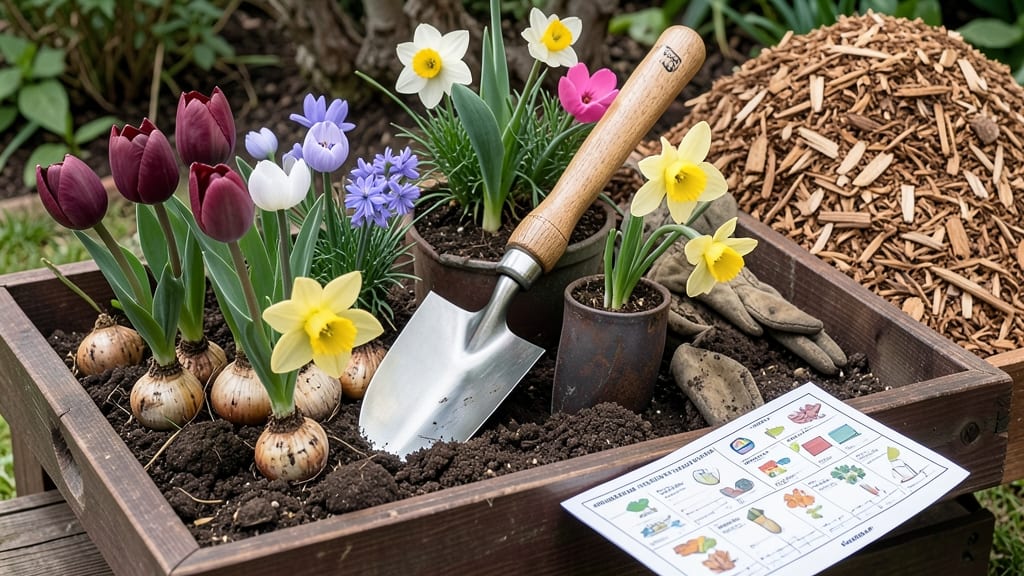
Planting bulbs in Minnesota isn’t just about grabbing a bag at the store—it’s about matching your 🌱 bulbs to the right chill hours and frost dates to guarantee those showstopping spring blooms. Get the timing wrong, and you’ll either lose them to early freezes or miss the bloom window entirely.
But with the right strategy, you can turn your yard into a burst of color from crocuses in early spring to late-blooming alliums by summer.
The key is understanding Minnesota’s USDA Zones 4a-5b, where frost can sneak in as early as mid-October or linger until mid-April. Fall-planted bulbs like tulips and daffodils need to be in the ground 6-8 weeks before the first hard freeze, typically between late September and early October.
Spring-flowering varieties, though, can wait until March or April—just don’t delay too long, or you’ll miss the window entirely.
In this guide, I’ll break down exactly which bulbs thrive in your zone, when to plant them for maximum impact, and how to prep your soil for Minnesota’s unpredictable weather.
Whether you’re a first-time gardener or a seasoned pro, these tips will help you avoid common mistakes and ensure your bulbs bloom like clockwork year after year.
Ready to transform your garden? Let’s dive into the perfect planting timeline for Minnesota’s most reliable bulbs—so you can enjoy those first signs of spring without the guesswork.
Minnesota chill-hour requirements: matching bulbs to Zone 4-5 climates
Minnesota’s Zone 4-5 climate demands precision when planting bulbs—most varieties need 12-18 weeks of chill hours (below 40°F) to bloom reliably. Tulips and daffodils thrive with 12-16 weeks, while hyacinths and crocuses need 14-20 weeks.
Planting too early risks frost damage; too late, and they won’t flower in spring. The key? Align planting with average frost dates (first frost: October 15; last frost: May 10).
For example, ‘Foster Hybrid’ tulips (12-14 weeks) should go in the ground by mid-October, while ‘Ice Follies’ daffodils (16-18 weeks) can wait until late October. Snowdrops (20+ weeks) are the most resilient for early spring blooms.
Use a soil thermometer to confirm temps drop below 60°F—ideal for root establishment before winter.
Here’s how chill-hour needs translate to Minnesota’s planting windows:
| Bulb Type | Chill-Hour Range | Ideal Planting Month | Notes |
|---|---|---|---|
| Tulips | 12-16 weeks | Mid-September to mid-October | Plant early for Zone 4; late varieties may need mulch. |
| Daffodils | 12-18 weeks | Late September to late October | Deer-resistant; great for low-maintenance gardens. |
| Hyacinths | 14-20 weeks | Early to mid-October | Risky in Zone 4; plant in sheltered spots. |
| Crocuses | 14-20 weeks | Late September to early October | Early bloomers; perfect for winter interest. |
| Alliums | 10-14 weeks | Mid-September to November | Drought-tolerant; great for pollinators. |
Pro tip: Mulch after planting (2-3 inches of straw) to insulate bulbs from temperature swings and prevent heaving during freeze-thaw cycles. This is especially critical for Zone 4 gardeners, where winters can be brutal.
For example, ‘Darwin Hybrid’ tulips (16 weeks) planted in late October may not bloom as vigorously as those planted in September.
If you’re in northern Minnesota (Zone 3), prioritize early-blooming varieties like ‘Tête-à-Tête’ tulips (10-12 weeks) or ‘Rembrandt’ crocuses (14 weeks). These handle shorter chill periods better. Southern MN (Zone 5) gardeners have more flexibility but should still plant by mid-November for reliable blooms.
For spring-planted bulbs (like summer daffodils), wait until March-April when soil temps rise above 50°F. These varieties (e.g., ‘Spark’ daffodils) need less chill time (8-12 weeks) and bloom in late spring/early summer. However, they’re less cold-hardy and may struggle in Zone 4 winters.
Remember: Soil prep matters. Amend clay-heavy Minnesota soil with compost or sand to improve drainage—waterlogged bulbs rot. Aim for well-draining soil with a pH of 6.0-7.0 for most bulbs. Test your soil in early fall to adjust nutrients before planting.
Finally, label your bulbs! Minnesota’s unpredictable weather can make it hard to remember what you planted where. Use biodegradable markers to track varieties and planting dates for future reference.
Step-by-step planting timeline: when to plant by bulb type in MN
Timing your bulb planting in Minnesota isn’t just about the calendar—it’s about matching your 🌱 bulbs to the 6-8 week window before the ground freezes. For most spring-flowering varieties, this means getting them in the ground between late September and early October.
But not all bulbs follow the same schedule, and some can even be planted in early spring for a late-season show.
First, let’s tackle the fall-planted bulbs, which make up the majority of what you’ll find at garden centers. These include tulips, daffodils, crocuses, hyacinths, and alliums.
The goal is to plant them deep enough to protect them from freezing temperatures while ensuring they get the chill hours they need to bloom. In Minnesota’s Zone 4-5 climate, this typically means starting as early as mid-September for early bloomers like crocuses.
Here’s your month-by-month breakdown for planting bulbs in Minnesota, including critical deadlines you won’t want to miss:
- #1: Early September (Mid-August for early starters) – Plant crocuses and snowdrops for early spring blooms. These hardy bulbs can handle cooler soil and even light frosts.
- #2: Late September to Early October – The prime window for tulips, daffodils, hyacinths, and alliums. Aim to finish by October 15 to avoid frost damage.
- #3: Early October (Last Chance!) – Plant late-blooming varieties like ‘Darwin Hybrid’ tulips or ‘Geranium’ daffodils. These need extra time to establish roots.
- #4: November (Only for Resilient Bulbs) – If you missed the window, crocuses and some daffodil varieties can still go in, but expect smaller blooms next year.
- #5: March to Early April (Spring Planting) – For late spring bloomers like ‘Parrot tulips’ or ‘Foster Hybrid’ tulips, plant as soon as the soil is workable (usually after the last frost, around April 15).
Pro tip: Use a soil thermometer to check that soil temperatures are below 60°F before planting. In Minnesota, this usually aligns with late September, but early frosts can push it up. If the ground is still warm, wait a few weeks—your bulbs will thank you with stronger blooms next spring.
Once you’ve planted, don’t forget to mulch lightly with straw or leaves to insulate the soil and protect the bulbs from extreme cold. And here’s a secret: Leave the foliage until it turns yellow—this feeds the bulb for next year’s blooms. Skipping this step can weaken your plants over time.
For Minnesota gardeners, the spring planting window is a lifesaver if you missed fall. While it’s not ideal for most bulbs, tulips and daffodils can still perform well if planted in March or early April.
Just be prepared for slightly smaller blooms the first year, as they’ll need time to establish.
Now that you’ve got your timeline locked in, your next step is choosing the right bulbs for your zone. Some varieties thrive in Minnesota’s harsh winters, while others struggle—we’ll cover those in the next section. Until then, grab your gloves and get planting! 🌷