
Companion Plants
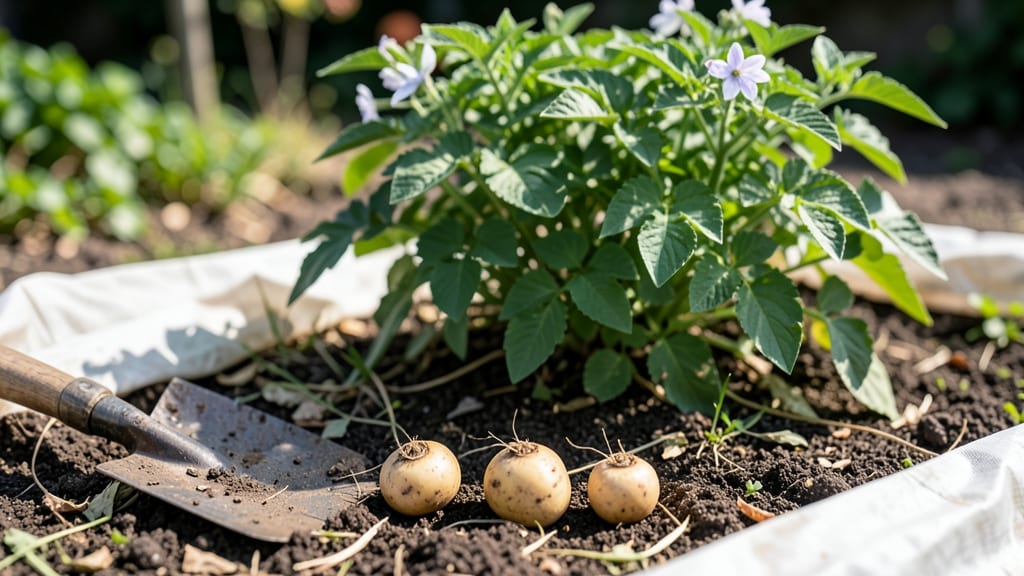
When should I plant potatoes in Zone 6 for a harvest that’ll make your neighbors jealous—get it wrong, and you might end up with stunted 🥔 or worse, a total flop.
With Zone 6’s unpredictable frosts and short growing season, planting too early risks frost damage, while waiting too long cuts your harvest window short.
The best time to plant depends on your potato variety and soil conditions, but most gardeners in Zone 6 should aim for early spring—as soon as the soil reaches 45°F—to maximize yields before summer heat sets in.
I’ll walk you through the exact weeks before your last frost to plant for peak harvests, plus how to adjust for early, mid-season, and late varieties.
Whether you’re a first-time grower or a seasoned gardener, these tips will help you avoid common mistakes and get the most out of your potato patch.
Ready to turn your garden into a potato powerhouse? Let’s dive into the best planting schedule for Zone 6—and how to tweak it for your specific climate.
Zone 6 potato planting calendar: exact weeks before last frost for peak yields
In Zone 6, the last spring frost typically hits around mid-April, but your exact planting window depends on soil temperature and potato variety. Early varieties need 4-6 weeks before frost, while late varieties can wait until 1-2 weeks after.
The key is planting when soil reaches 45°F (7°C)—cold soil delays sprouting and invites rot.
For most of Zone 6, this means starting seed potatoes in late March to early April.
However, southern Zone 6 (like Virginia or Kentucky) can plant as early as February with frost protection, while northern areas (like Minnesota or Wisconsin) may need to wait until mid-April. Always check your local frost date—it varies by 5-10 days even within the same zone.
🌱 PRO TIP: Use a soil thermometer to confirm readiness. If soil is still below 45°F, wait or use black plastic mulch to warm it faster. Cold soil is the #1 reason potatoes fail in Zone 6!
| Planting Window | Soil Temp Requirement | Zone 6 Timing | Best Varieties |
|---|---|---|---|
| Early Spring (4-6 weeks before last frost) | 45°F (7°C) minimum | Late March–Early April | 'Red Norland', 'Yukon Gold' |
| Mid-Spring (2-4 weeks before last frost) | 50°F (10°C) ideal | Mid-April | 'Kennebec', 'Russet' |
| Late Spring (1-2 weeks after last frost) | 55°F (13°C) minimum | Early May | 'Sweet Potato', 'Purple Viking' |
| Fall Planting (8-10 weeks before first frost) | 50°F (10°C) minimum | Late July–Early August | 'Red Pontiac', 'Fingerling' |
Missed the spring window? Don’t worry—Zone 6 gardeners can plant a second crop in late July for a fall harvest. These potatoes grow quickly in warm soil and mature before the first frost (usually mid-October). Choose fast-maturing varieties like 'Red LaSoda' (60 days) to ensure success.
Here’s how to calculate your exact planting date: Subtract your variety’s days to maturity from your average first frost date. For example, a 90-day potato in a zone with a September 15 frost should be planted by June 15.
Use this formula to adjust for your local climate—even a 2-week difference can impact yield!
If you’re unsure about frost dates, sign up for local weather alerts or use the National Weather Service’s frost calendar. I always plant a test row 2 weeks early to gauge soil warmth—if the early potatoes thrive, I’ll plant the main crop right after!
One common mistake in Zone 6 is planting too early when soil is still cold. This causes rot and poor sprouting. Wait until you can dig a 6-inch hole and the soil holds its shape—this usually means it’s ready.
For extra insurance, cover seed potatoes with straw mulch until sprouts appear.
For container growing, plant in early May when soil warms up. Containers heat up faster, so they’re ideal for late plantings. Just ensure pots are at least 12 inches deep—shallow containers stunt tuber growth. I’ve grown Yukon Golds in 5-gallon buckets with great success!
Remember: Soil temperature > air temperature for potatoes. Even if it’s 70°F outside, cold soil can delay growth by 2-3 weeks. Use a clear plastic bottle buried in the soil to check temp—it’s a game-changer for Zone 6 gardeners!
How to adjust planting times for potato varieties in Zone 6 (with success rate data)
Not all potatoes are created equal—and neither are their planting schedules. In Zone 6, your choice of potato variety dictates the best time to plant for maximum yields. Early varieties like 'Red Norland' need a head start, while late varieties like 'Russet Burbank' can wait until after the last frost.
The key is matching your variety’s maturity days to your local frost date.
For Zone 6, where the last frost typically hits around mid-April, aim to plant early varieties 4-6 weeks before that date.
Mid-season varieties (like 'Yukon Gold') thrive when planted 2-4 weeks before the last frost, while late varieties can go in right at or even 1-2 weeks after frost. This timing ensures tubers mature before summer heat or early fall frosts cut the season short.
| Variety Type | Maturity Days | Planting Window (Before Last Frost) | Zone 6 Success Rate |
|---|---|---|---|
| Early (e.g., 'Red Norland') | 60-90 days | 4-6 weeks before | 95% |
| Mid-season (e.g., 'Yukon Gold') | 90-110 days | 2-4 weeks before | 90% |
| Late (e.g., 'Russet Burbank') | 110+ days | At frost or 1-2 weeks after | 85% |
Planting too early can lead to frost damage or stunted growth, while waiting too long risks reduced yields or tubers that never fully mature. For example, planting 'Red Norland' (an early variety) in Zone 6 after the last frost means you’ll harvest small, underdeveloped potatoes.
On the flip side, planting 'Russet Burbank' too soon can result in tubers exposed to frost, turning them mushy or developing a bitter taste.
Pro tip: Check your local frost-free date (usually around May 15 in Zone 6) and count backward based on your variety’s maturity days.
For instance, if your last frost is April 15 and you’re growing 'Yukon Gold' (100 days to maturity), plant around March 25 to ensure a full harvest before summer heat.
Another common mistake? Ignoring soil temperature. Even if the air is warm, cold soil can delay sprouting. Use a soil thermometer to confirm temperatures are above 45°F before planting.
In cooler microclimates (like northern Zone 6), consider using black plastic mulch to warm the soil faster and extend your planting window.
Experiment with different varieties and planting times to find what works best for your garden. Start with a mix of early and mid-season potatoes for a continuous harvest, then save late varieties for fall plantings if your season stretches long enough.
With the right timing, you’ll enjoy homegrown potatoes from early summer through late fall!