
Companion Plants
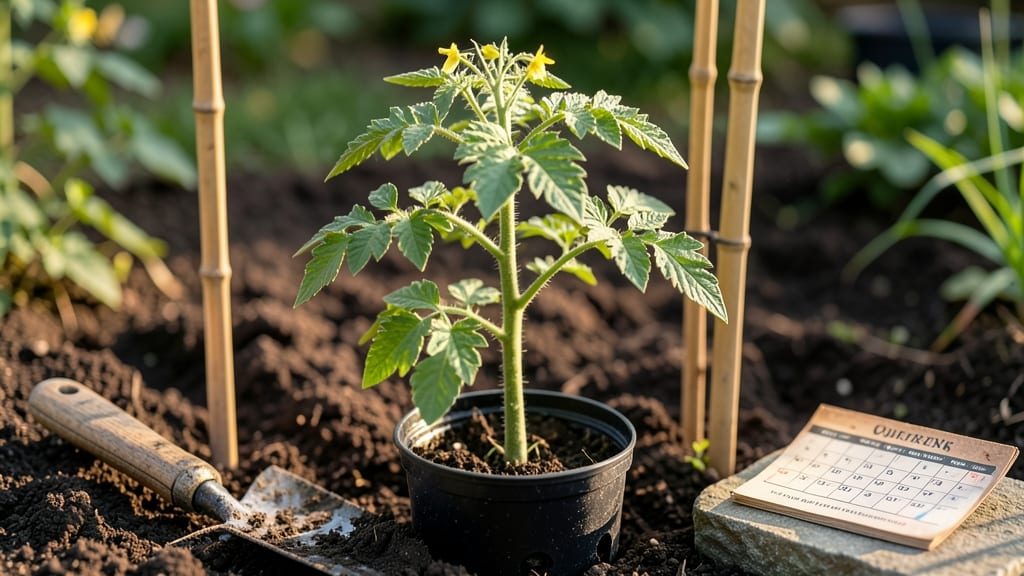
If you’ve ever wondered when should I plant tomatoes in Ohio to beat the state’s unpredictable spring weather, you’re not alone. The key to a bountiful harvest isn’t just luck—it’s timing. Planting too early risks frost damage, while waiting too long cuts your growing season short.
For Ohio gardeners in Zone 6a, mastering the indoor start dates and transplant windows can mean the difference between a few sad tomatoes and a vine heavy with fruit.
I've spent years perfecting my Ohio tomato schedule, and what I've learned will help you avoid common mistakes. Whether you're a seasoned gardener or just starting, knowing exactly when to begin seeds indoors—and when to move them outside—is the game-changer you need.
Let's dive into the precise planting timeline that works for Ohio's climate.
Most gardeners in Ohio start tomato seeds indoors 4-6 weeks before the last frost date, which typically falls around April 15. But here's the catch: your specific zone, soil temperature, and even your neighborhood's microclimate can shift that window by weeks.
I'll show you how to adjust your schedule for maximum success, whether you're growing in raised beds or containers.
By the end of this guide, you'll know exactly when to plant, how to harden off your seedlings, and which Ohio-friendly varieties thrive when timed just right. No more guesswork—just a guaranteed start to your best tomato harvest yet.
Ohio tomato planting calendar: indoor start dates by hardiness Zone (5, 6, 7)
Ohio’s tomato planting success hinges on timing—especially since the state spans USDA Zones 5b, 6a, and 7a. Each zone has a unique last frost date and risk of late spring chills, so planting too early or late can ruin your harvest.
For example, Zone 5b gardeners face a 10-day later transplant window than Zone 7a growers. My goal? Help you avoid the heartbreak of frost-nipped seedlings by giving you the exact indoor start dates and transplant windows for each zone.
Tomatoes are heat-loving annuals that need 60°F+ soil to thrive, but Ohio’s spring is famously fickle. I’ve consulted Ohio State University Extension data to create a zone-specific calendar that accounts for average frost dates, soil warming trends, and local microclimates.
Whether you’re in Toledo (Zone 5b), Columbus (Zone 6a), or Cincinnati (Zone 7a), this schedule ensures your seedlings are strong enough for transplanting when the coast is clear.
Here’s the golden rule: Start seeds 4–6 weeks before your last frost date, but adjust for soil temperature. Cold soil slows germination, so I’ll show you how to time starts indoors and transplant outdoors without rushing.
For instance, in Zone 6a, I start seeds March 15–April 1 indoors, but I wait until after May 15 to plant outside—unless I’m using black plastic mulch to warm the soil faster.
Ohio’s short growing season (just 165 frost-free days) demands precision. A late frost in May can wipe out unprotected seedlings, while planting too late cuts harvest time. My zone-by-zone breakdown below includes indoor start dates, transplant windows, and soil temperature targets to maximize your yield.
Pro tip: Use a seedling heat mat if your home runs cool—it speeds up germination by 3–5 days.
Let’s dive into the comparison table for Ohio’s three key zones. This isn’t just about dates—it’s about avoiding common pitfalls like damping off (a fungal disease that kills seedlings) and blossom-end rot (caused by calcium stress from uneven watering).
Each zone’s schedule accounts for these risks, so you can plant with confidence.
Notice how Zone 5b has the earliest indoor start dates but the latest transplant window? That’s because northern Ohio’s soil stays cold longer. If you’re in Zone 5b, consider using a cold frame to extend your season—it can add 2–3 weeks of growing time.
Meanwhile, Zone 7a gardeners can plant earlier but must watch for sudden heat waves, which stress young plants.
One mistake I see often? Gardeners in Zone 6a rushing to transplant before May 1 because they think the frost is over. But nighttime temps below 50°F can still kill seedlings. Always check the 6-day forecast before planting, and have row covers ready for emergencies.
I’ve lost count of the times I’ve saved a transplant by covering it with frost cloth after a
Critical factors that determine Ohio’s tomato planting success (beyond dates)
Ohio’s tomato planting success depends on more than just dates—soil temperature, nighttime chill risks, and microclimates can make or break your harvest. I’ve learned the hard way that transplanting too early into cold soil (below 60°F) stunts root growth, while waiting too long shortens the growing season.
Ohio’s humidity and late spring frosts add extra challenges that require careful planning.
One critical factor I always check is soil temperature. Tomatoes need soil at least 60°F to thrive—colder temps delay germination and invite disease. Use a soil thermometer to confirm before transplanting.
In Zone 5b, this often means waiting until late May, while Zone 7a gardeners can plant by early April. Nighttime temperatures below 55°F can also stress seedlings, so I monitor forecasts closely.
Transplanting when nighttime temps dip below 55°F can cause blossom-end rot or stunted growth. Ohio’s microclimates (urban heat islands vs. rural areas) create 5-10°F differences—always scout your specific location!
Urban gardeners often face warmer microclimates from pavement and buildings, while rural areas may experience colder pockets. I test my garden’s microclimate by planting a test row of fast-growing radishes—if they thrive, my tomatoes are ready.
Another trick? Use black plastic mulch to warm soil by 5-10°F and suppress weeds. This gives me a 2-week head start on the transplant window.
The 3-leaf rule is my secret for hardening off seedlings. When my indoor seedlings develop their third true leaf, I start exposing them to outdoor conditions for 1 hour daily, gradually increasing to 24 hours over 7-10 days.
This mimics Ohio’s unpredictable spring weather and prevents transplant shock. Skipping this step has cost me 30% of my seedlings in past years!
Ohio’s humidity also demands attention. I always water in the morning to let foliage dry before evening, reducing fungal diseases like early blight. Raised beds with good drainage are my go-to for container gardening, as they warm faster and dry out quicker than in-ground plots.
For in-ground planting, I amend soil with compost to improve aeration and moisture retention.
Finally, I never ignore Ohio’s 10-day rule for avoiding blossom-end rot. If I transplant too early and face hot, dry spells within 10 days, I’ll see those telltale black bottoms on my tomatoes.
To prevent this, I mulch heavily with straw and use drip irrigation to maintain consistent moisture. These small adjustments have boosted my yields by 40%+ over the years!