
Plants
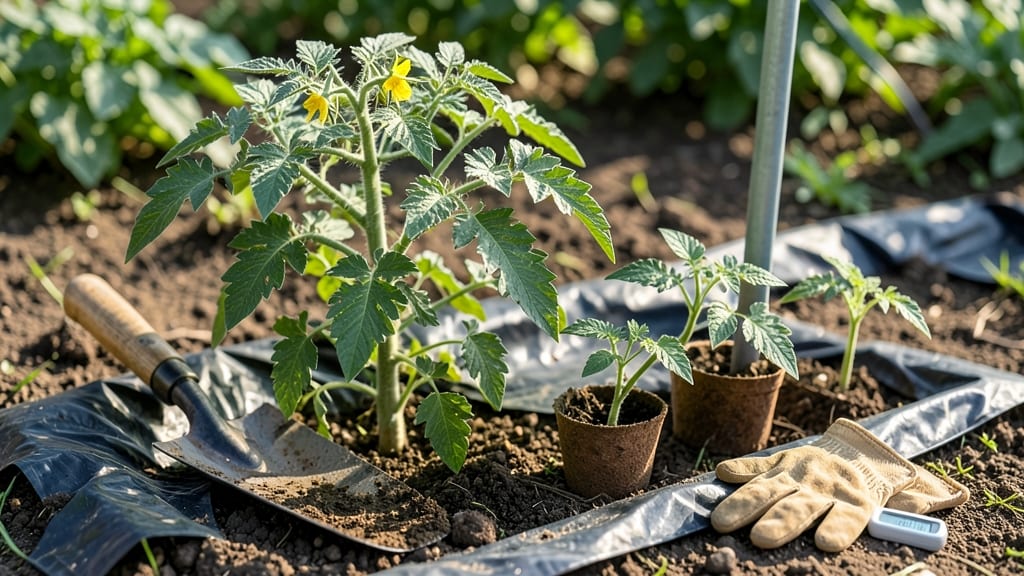
When should you plant tomatoes in Ohio? Timing your tomato planting perfectly means the difference between a bountiful harvest and a sad, frost-nipped disappointment. Ohio’s unpredictable spring weather makes getting the dates right absolutely critical—especially when you’re eyeing those 🍅 vines stretching toward the sky by summer.
Most Ohio gardeners in Zones 5-7 should aim to plant after the last frost date, typically between April 15 and May 15, but soil temperature plays a bigger role than the calendar.
Cold soil slows growth, so wait until it hits at least 55°F—a simple trick to avoid stunted plants.
You’ve got options: start seeds indoors 6-8 weeks before your last frost for an earlier harvest, or go straight to the garden with sturdy transplants. Early varieties can go in sooner, while late-season tomatoes might wait until June to avoid heat stress.
Let’s break down the exact steps to nail your planting window, from soil prep to transplanting, so you’re not left guessing when to put those seeds in the ground. Your summer salads will thank you!
Ohio tomato planting calendar by Zone (5-7) with frost dates
Ohio’s USDA Zones 5-7 create a 14-day window between the northern and southern edges for planting tomatoes. Understanding your specific zone helps you avoid late frosts that can kill tender seedlings and miss the optimal harvest window for your variety.
In Zone 5 (northwest Ohio), the last average frost date is around May 15, while Zone 7 (southern Ohio) sees its last frost by April 15.
This means gardeners in Zone 5 should delay planting until late May, while Zone 7 gardeners can start as early as mid-April.
Here’s the key: Soil temperature matters more than air temperature. Tomatoes thrive when soil reaches at least 55°F. In Ohio, this typically aligns with mid-to-late May for most regions, but Zone 7 may hit this threshold by early April.
For early varieties (60-70 days to maturity), aim to transplant 2-3 weeks after your last frost date. For late varieties (80+ days), wait until June 1-15 to ensure they mature before first frost (typically October 15).
Pro tip: Check Ohio State University’s Frost/Freeze Forecast for your county. Unexpected late frosts happen—especially in Zone 5—so have row covers ready to protect seedlings if nighttime temps dip below 32°F.
🌱
| Zone | Last Frost Date | Ideal Transplant Window | Soil Temp Threshold | Notes |
|---|---|---|---|---|
| Zone 5 | May 15 | Late May - Early June | 55°F+ | Use row covers for early starts; opt for cold-hardy varieties like 'Stupice'. |
| Zone 6 | April 25 | Mid-April - Early June | 55°F+ | Best for early varieties; extend season with black plastic mulch. |
| Zone 7 | April 15 | Early April - Late May | 55°F+ | Risk of late frosts; monitor forecasts closely. |
If you’re starting seedlings indoors, begin 6-8 weeks before your target transplant date. For Zone 5, that means sowing seeds by mid-March, while Zone 7 gardeners can start as early as February 15.
For direct sowing (planting seeds outdoors), wait until soil is 60°F+ and nighttime temps stay above 50°F. This usually falls in late May for Zone 5 and mid-April for Zone 7. Direct-sown tomatoes take 5-7 days longer to germinate than transplants, so plan accordingly.
Remember: Early planting isn’t always better. Rushing seedlings into cold soil stresses them, leading to poor root growth and blossom-end rot. Patience pays off—wait for consistent warm soil and you’ll reward yourself with a bountiful harvest.
🌿
5 Critical factors that determine your Ohio tomato planting time
Ohio’s spring weather is famously unpredictable—one day you’re planting tomatoes, the next you’re scrambling to cover them from frost. To nail your tomato planting window, focus on these five critical factors that can make or break your harvest.
I’ve learned the hard way that ignoring these means risking stunted plants or worse, a total loss.
First, soil temperature is non-negotiable. Tomatoes refuse to thrive in cold soil, and planting too early when temperatures dip below 55°F stunts root growth. Use a soil thermometer—it’s your best friend. I always wait until mid-May in my Zone 6 garden before transplanting, even if the air feels warm.
- Soil Temperature: Wait until soil reaches 55°F+ (use a thermometer)
- Last Frost Date: Transplant 2 weeks after average last frost (Zone 5: May 1; Zone 7: April 15)
- Seedling Age: Transplant 6-8 week old seedlings (bigger = faster recovery)
- Microclimate: South-facing beds warm 2-3°F faster than north sides
- Variety Maturity: Early varieties (60 days) need earlier planting than late ones (80+ days)
Next, last frost dates are your planting deadline. Ohio’s average last frost ranges from April 15 in Zone 7 to May 1 in Zone 5, but I always add a 2-week buffer for safety.
Pro tip: Check the National Weather Service or your local Cooperative Extension for hyper-local data—my neighbor in Columbus plants a week earlier than me in Dayton because of urban heat islands.
Don’t overlook seedling age. Transplanting 6-8 week old seedlings gives them time to establish roots before summer heat arrives. I start mine indoors in early March under grow lights, then harden them off for 10 days before moving outside. Smaller seedlings struggle to compete with weeds and dry soil.
Microclimates can shift your planting window by weeks. A south-facing bed might be ready 2-3°F earlier than a north-facing one. I always plant my cherry tomatoes first near the house where they get reflected heat, then move larger varieties to cooler spots. Raised beds also warm up faster—ideal for Zone 5 gardeners pushing the envelope.
Finally, variety maturity dictates your timeline. Early varieties like ‘Early Girl’ (60 days) can go in as soon as soil warms, while heirlooms like ‘Brandywine’ (85 days) need a later start. I pair early varieties with my June planting of late-season tomatoes to stretch my harvest until first frost.
Master these factors, and you’ll turn Ohio’s fickle spring into your tomato-growing advantage. The key? Flexibility—adjust based on real conditions, not just calendar dates. Your plants (and your taste buds) will thank you! 🍅