
Plants
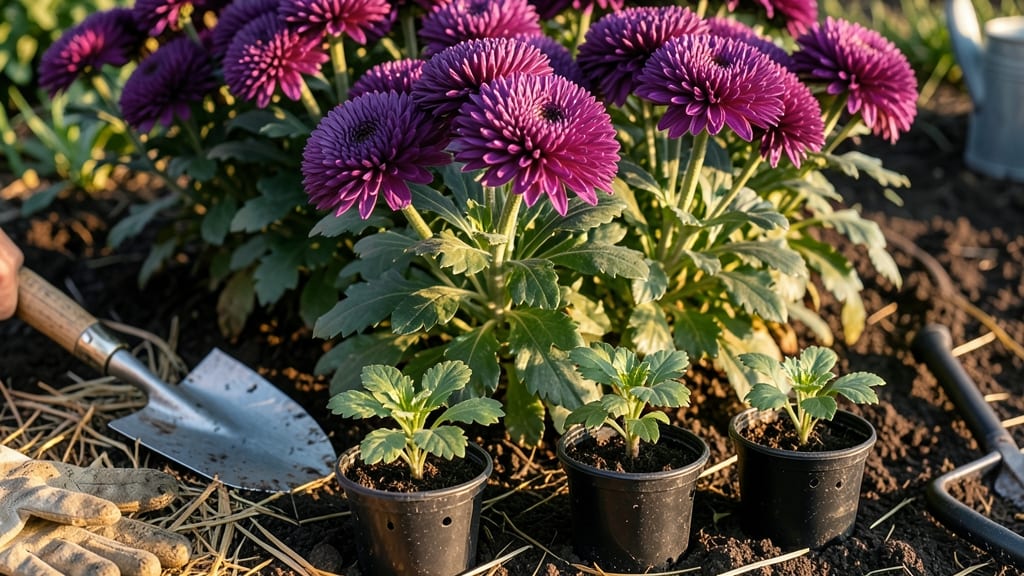
If you love the cheerful burst of color 🌼 fall gardens bring, knowing when should you plant mums in the ground is the key to vibrant blooms that last.
Plant them too early, and you risk weak roots before winter; too late, and frost can nip those pretty flowers before they even open.
For most gardeners in USDA Zone 6a and beyond, the ideal window runs from late summer through early fall—specifically, about 4-6 weeks before your first frost. This timing gives mums enough time to establish roots while still enjoying warm soil, setting the stage for stunning autumn displays.
But here’s the catch: your exact planting date depends on where you live. Northern climates need an earlier start, while southern gardeners can push it closer to frost.
I’ll break down the perfect schedule for your zone, plus pro tips to ensure your mums thrive from the first chill of fall through winter’s bite.
Ready to transform your garden into a showstopping seasonal masterpiece? Let’s dive into the exact steps to plant mums for maximum impact—no guesswork, just gorgeous blooms.
Best planting timeline for mums by USDA hardiness zones
Timing your mum planting is the secret to vibrant fall blooms that last through frost. Since mums thrive in cooler weather, the ideal planting window is 4-6 weeks before your first frost date.
This gives roots time to establish before winter sets in, ensuring stronger plants and more abundant flowers next season.
Your USDA hardiness zone dictates the exact calendar dates. For example, gardeners in Zone 3 (like Minnesota) should plant by mid-August, while those in Zone 10 (like Southern California) can extend planting into October. The key is avoiding late-season planting that leaves roots vulnerable to winter freezes.
Soil temperature also plays a critical role. Mums prefer soil temps between 60°F and 70°F for optimal root growth. In warmer zones, this might mean planting as late as September, while cooler northern zones require earlier action in July or early August.
Always check your local frost dates for precision.
| USDA Zone | Planting Window | Soil Temp Ideal | Frost Risk |
|---|---|---|---|
| Zones 3-4 | July 15 - August 15 | 60-65°F | High (early frost) |
| Zones 5-6 | August 1 - September 1 | 60-70°F | Moderate |
| Zones 7-8 | September 1 - September 30 | 65-70°F | Low |
| Zones 9-10 | September 15 - October 15 | 60-75°F | Minimal |
🌼 Pro Tip: Use a soil thermometer to confirm temps before planting!
If you're in a warmer zone (9-10), you can also plant mums in early spring for summer blooms. However, these won't be as cold-hardy and may need winter protection. For most gardeners, the fall planting window is the gold standard for winter survival and next-year blooms.
Local microclimates can shift these dates by 1-2 weeks. For example, a mountainous area in Zone 6 might need earlier planting than a coastal Zone 6 garden. Observe nearby landscapes—if your neighbors' mums are already blooming, it's likely too late for new plantings in your area.
Another critical factor is daylength sensitivity. Mums are short-day plants, meaning they bloom in response to decreasing daylight. Planting too late can disrupt this natural cycle, leading to sparse or delayed flowers. Aim to have roots established 6-8 weeks before daylight drops below 12 hours.
For container gardeners, the rules are slightly different. Potted mums can handle 1-2 weeks later planting since containers warm up faster. However, they'll still need winter protection in colder zones, like moving pots to a sheltered spot or wrapping them in burlap.
🌱 The best time to plant mums is when your local nursery displays them—this is their prime shipping window, usually aligned with your zone's ideal timing. Happy planting!
Best planting timeline for mums by USDA hardiness zones
Planting mums at the right time ensures vibrant fall blooms and winter resilience. The ideal window is 4-6 weeks before your first frost, but exact timing varies by USDA zone.
In northern zones (3-5), aim for late July to early August—cool soil helps roots establish before winter. Meanwhile, southern zones (8-10) can plant until mid-October, thanks to milder winters.
Soil temperature matters too. Mums thrive when soil is 55-65°F—too hot or cold stunts root growth. Check your local frost dates and adjust planting to avoid late-season heat stress or early frost damage.
For example, in Zone 6a, plant by mid-September to let roots settle before October 15 frost.
| Zone | Planting Window | Soil Temp | Frost Risk |
|---|---|---|---|
| 3-5 | Late July–Early August | 55–60°F | High (Oct 1–15) |
| 6-7 | Mid-August–Mid-Sept | 60–65°F | Moderate (Oct 10–20) |
| 8-10 | September–Mid-October | 65–70°F | Low (Dec 1+) |
For Zone 6a, like much of the Midwest, late August is perfect—giving roots time to anchor before October’s first frost. If you miss the window, spring planting (March–April) works too, but blooms may arrive 2-3 weeks later.
Just avoid planting too close to winter, or tender roots won’t survive.
Pro tip: Use a soil thermometer to confirm temps. If soil runs below 55°F, wait 1-2 weeks. Overheated soil (above 75°F) can shock plants—water deeply to cool roots before transplanting. Morning planting (before 10 AM) reduces stress from afternoon heat.
Don’t overlook container mums either. They follow the same timeline but need well-draining pots and winter protection (move to sheltered spots or wrap pots in burlap). In Zone 5, for instance, mulch heavily with straw or leaves to insulate roots during -10°F dips.
Timing isn’t just about frost—it’s about bloom cycles. Planting too late delays flowering, while early planting risks heat stress. Aim for 60-75 days of growth before frost for peak color. Autumn Joy mums, for example, need this window to develop their signature deep red blooms.