Planting
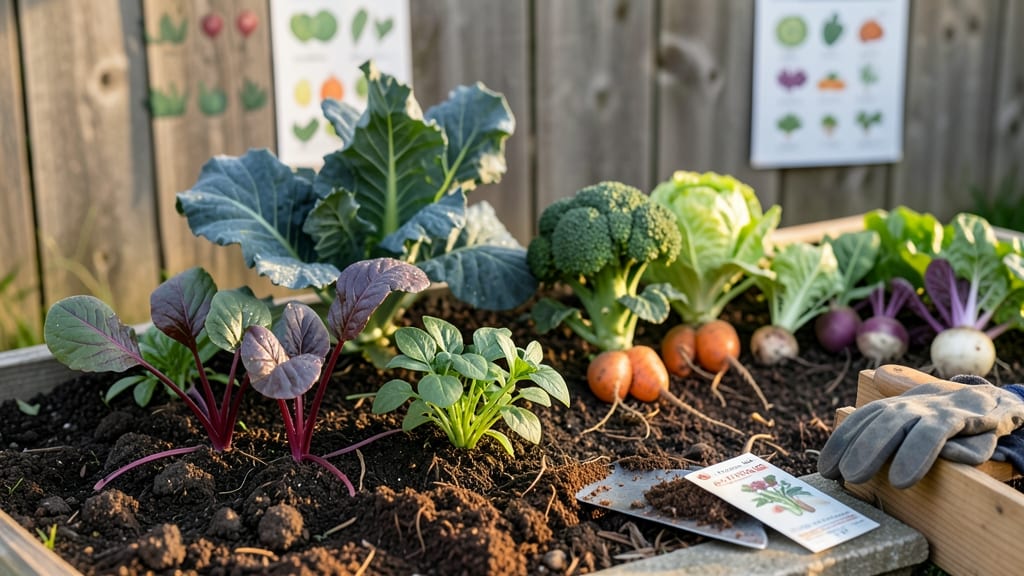
When to plant a fall garden in Zone 7 can mean the difference between a bountiful harvest and wasted seeds—getting it right ensures fast growth before the first frost hits.
If you’ve ever wondered why some gardeners pull off stunning 🥬 harvests while others struggle with late-season failures, the answer lies in precise planting windows.
Zone 7’s unique climate demands a strategy that balances warmth and cooling temperatures, and missing the mark can leave you with bolted greens or stunted roots.
I’ve tested the exact weeks before frost that work for leafy greens, root vegetables, and brassicas—so you don’t have to guess. Whether you’re a beginner or a seasoned gardener, these science-backed timelines will help you maximize your fall garden’s potential before winter sets in.
Ready to transform your backyard into a productive harvest zone? Let’s dive into the key planting dates and pro tips that’ll keep your garden thriving until December.
Exact weeks before first frost to plant fall vegetables in Zone 7
Zone 7 gardeners have a 6-8 week window before the average October 15 first frost to plant cool-season crops. This means your last planting dates should fall between August 22 and September 10, depending on the crop's days-to-harvest.
For example, fast-growing radishes (25-30 days) can be sown as late as September 15, while broccoli (60-80 days) needs to be in the ground by August 15.
Your Zone 7 frost-free season spans about 180 days, but fall planting works backward from the first frost. Start by calculating your local frost date (check your county's USDA records) and subtract the crop's maturity days.
This gives you the last safe planting date for each vegetable. For instance, if your frost date is October 20 and you're growing kale (50 days to harvest), plant by August 22.
Here's the golden rule for Zone 7 fall planting: Leafy greens (like spinach and lettuce) can handle light frosts, so you can plant them 2-3 weeks before your last frost date. Root vegetables (carrots, beets) and brassicas (broccoli, cabbage) need more time—aim for 6-8 weeks out. Peas are unique; they thrive in cool weather and can even be planted as late as October 1 in Zone 7.
Don't forget about succession planting—this is your secret weapon for extending harvests. For crops like bush beans or turnips, make weekly plantings every 2 weeks from late July through August. This ensures a steady supply of fresh produce instead of one big harvest followed by empty rows.
Soil temperature matters just as much as air temperature. Most cool-season crops prefer soil temps between 45°F and 75°F. In Zone 7, soil stays warm until mid-September, so you can start sowing seeds directly in the ground by late July for early varieties.
Use a soil thermometer to check—if temps drop below 50°F, wait a week or two before planting.
One common mistake I see is planting too late for slow growers. For example, cauliflower takes 70-90 days to mature, so planting after August 1 risks a frost-killed harvest.
Always check seed packets for days-to-maturity and adjust your timeline accordingly. Pro tip: Start seeds indoors 4-6 weeks before your outdoor planting date for a head start.
| Crop | Days to Harvest | Last Planting Date (Zone 7) | Frost Tolerance |
|---|---|---|---|
| Radishes | 25-30 | September 15 | High (improves flavor) |
| Spinach | 30-45 | September 1 | Moderate (light frost OK) |
| Kale | td style="padding: 10px;">50-60August 22 | Very High (sweeter after frost) | |
| Carrots | 60-80 | August 15 | Moderate (cover with row fabric) |
| Broccoli | 60-80 | August 15 | Moderate (heads may bolt) |
| Peas | 50-60 | October 1 | High (thrives in cool weather) |
| Turnips | 50-60 | August 22 | Moderate (greens frost-tolerant) |
🌱 Planting Window Cheat Sheet for Zone 7
For slow-to-germinate seeds like carrots or parsnips, start them indoors 8-10 weeks before your target transplant date. Use biodegradable pots to avoid root disturbance when moving seedlings outdoors. Another pro move: harden off seedlings for 7-10 days before transplanting to help them adjust to outdoor conditions.
If you're new to fall gardening, start with fast crops like radishes or lettuce to build confidence. These give you quick gratification and help you fine-tune your timing for next year. Keep a
Best fast-growing fall crops for Zone 7 and their planting strategies
Zone 7 gardeners can still enjoy a bountiful harvest in fall by focusing on fast-growing crops that thrive in cooler temperatures. Radishes, spinach, and kale are top picks because they mature quickly—often in 30-50 days—leaving plenty of time to harvest before the first frost around mid-October.
Start by planting radishes and bush beans in early August for a late-summer harvest, then follow with spinach and carrots in early September. These crops tolerate light frosts and even taste sweeter after a light freeze.
For succession planting, sow lettuce every 2-3 weeks from August through early September. This ensures a continuous harvest until frost, while turnips and beets planted in late August will be ready by October.
Here’s how to maximize your fall garden space with ideal spacing and planting schedules:
- Radishes – 25-30 days to harvest; plant every 2 weeks in August-September for continuous yields. Space 1-2 inches apart.
- Spinach – 30-45 days; sow late August-early September. Thrives in cool weather and partial shade. Space 3-4 inches apart.
- Kale – 50-60 days; plant late August for a winter harvest. Loves full sun and well-draining soil. Space 12-18 inches apart.
- Carrots – 60-70 days; direct sow early September. Choose short varieties like 'Paris Market' for smaller roots. Space 2-3 inches apart.
- Turnips – 40-50 days; plant late August for root and greens harvest. Space 2-4 inches apart in loose soil.
When planting, always amend your soil with compost to improve drainage and fertility. Avoid overcrowding, as this can lead to pest issues or disease in damp fall conditions. Mulch with straw to retain moisture and regulate soil temperature.
For herbs, try cilantro and parsley, which grow well in fall. Plant them in late August for a harvest before frost. These herbs prefer partial shade in hot afternoons and well-draining soil.
Remember, fast growth depends on consistent care. Water deeply every 3-5 days and fertilize lightly with a balanced 5-10-10 mix when planting. Stop fertilizing 4-6 weeks before the first frost to avoid tender growth that’s vulnerable to cold.