
Planting
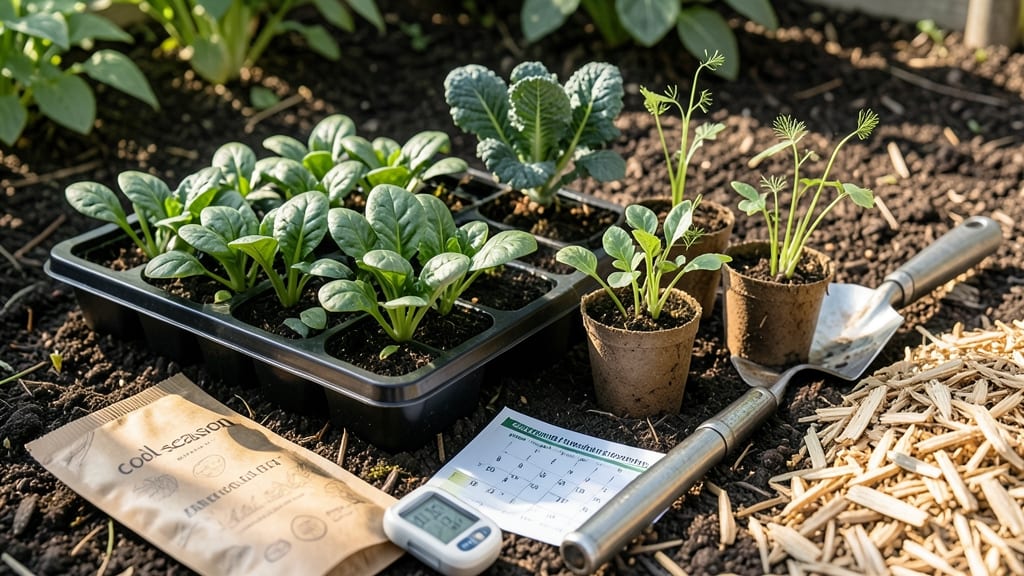
Timing when to plant a garden in Cleveland, Ohio, isn’t just about following a calendar—it’s about beating the Zone 6a/6b frost dates that can turn your hard work into a sad, wilted memory.
Whether you’re dreaming of crisp lettuce or juicy tomatoes, planting too early risks a surprise frost, while waiting too long might leave you scrambling for summer harvests.
The best window for most General Garden Vegetables 🌱 starts around April 15—right after Cleveland’s average last frost date—but the real magic happens when you pair that with soil temperature and microclimates.
Urban gardens in Cleveland’s neighborhoods can vary by weeks, so knowing how to read the signs (and when to use row covers) makes all the difference.
In this guide, I’ll break down the exact months to plant everything from peas to pumpkins, plus how to stretch your growing season with clever tricks. No more guesswork—just a lush, productive garden that thrives in Ohio’s unpredictable climate.
Ready to turn your backyard into a harvest goldmine? Let’s get those General Garden Vegetables 🌱 in the ground at the perfect time—before the next frost sneaks up on you.
Cleveland Ohio frost dates 2024: last & first frost timing for Zone 6b
Cleveland’s Zone 6b climate creates a tight window for planting—just 165 frost-free days between the last spring frost and first fall frost. Missing these dates means wilted seedlings or stunted harvests. The key? Understanding historical averages and using local forecasts to time your garden perfectly.
According to NOAA records and Cleveland’s Ohio State University Extension, the average last spring frost falls between April 15 and May 1, while the first fall frost typically arrives October 10–20.
However, these dates can shift by 2–3 weeks depending on weather patterns. For 2024, early projections suggest a slightly earlier last frost (around April 20), but always verify with local weather alerts.
Here’s how to use these dates to your advantage: Plant cool-season crops (like peas or lettuce) 4–6 weeks before the last frost, while warm-season crops (tomatoes, peppers) need to wait until after May 15 when soil temps hit 60°F+.
The 10-day forecast rule is your best friend—wait until the forecast shows no frost risk for at least 10 days.
| Stage | Average Date (Zone 6b) | Action |
|---|---|---|
| Last Spring Frost | April 15–May 1 | Plant cool crops 4–6 weeks prior |
| First Fall Frost | October 10–20 | Harvest warm crops before Oct 1 |
| Safe Warm-Season Planting | After May 15 | Soil must be 60°F+ |
| 2024 Projection (NOAA) | Last frost: ~April 20 | Verify with local alerts |
Cleveland’s microclimates add another layer of complexity. Urban areas near Lake Erie (like Edgewater) often see later frosts due to lake breezes, while inland spots (like Parma) may warm up faster.
To account for this, plant heat-loving crops (like basil or cucumbers) in south-facing beds where they’ll get extra warmth. Use row covers to push back frost dates by 2–3 weeks for early planting.
For perennials and shrubs, timing matters too. Plant bare-root trees in early spring (March–April) or fall (October), when the ground isn’t frozen. Herbs like rosemary or thyme thrive when planted in late spring (May–June) after the soil warms.
Even lawn seeding should wait until late April or early May to avoid frost damage.
Pro tip: Use the Ohio State University Extension’s frost calculator (available online) to input your exact ZIP code for hyper-localized dates. This tool adjusts for Cleveland’s 10–15°F temperature swings and gives you a personalized planting timeline. Bookmark it—you’ll thank me when your tomatoes ripen before October’s chill.
If you’re still unsure, start with cold-hardy crops like kale, spinach, or radishes in early April. These tolerate light frosts and give you a head start while you monitor the weather. By May 15, you’ll have a clear picture of when to plant your heat-lovers.
Remember: Cleveland’s gardening season is short but sweet when timed right. Use these frost dates as your garden’s compass, and you’ll be feasting on homegrown veggies well into October. Happy planting! 🌱
Best months to plant vegetables in Cleveland: a month-by-month guide
Cleveland’s Zone 6b climate means your planting calendar should revolve around soil temperatures and frost dates. While the average last frost is April 15–May 1, I’ve learned that waiting for consistent 60°F soil is more reliable than dates alone.
The key is matching each vegetable to its ideal window—some thrive in cool spring soil, while others need summer’s warmth.
Start with cool-season crops like peas and lettuce in March, then transition to warm-season favorites (tomatoes, peppers) by May 15. Succession planting—sowing radishes every 2 weeks—keeps your harvests flowing until October’s first frost. Here’s my tried-and-true monthly breakdown:
For warm-season crops, I always check the 10-day forecast before planting—even if the calendar says "go." Last year, my tomato seedlings wilted when an unexpected 45°F night hit in late May.
A quick row cover saved them, but it taught me to wait until June 1 for heat-lovers like peppers.
Don’t overlook fall planting! Cool-season crops like spinach and arugula thrive when sown in August–September. They’ll mature before frost, giving you a second harvest without competing with summer’s heat. Just aim for varieties with 30–45 day maturity—fast growers are your best bet in Cleveland’s short fall.
Pro tip: Use Cleveland Botanical Garden’s frost records (they track local microclimates) and the Ohio State Extension’s planting calendar. These resources adjust for Cleveland’s urban heat islands—city gardens often warm up 1–2 weeks earlier than rural areas.
My downtown raised beds hit 60°F soil by May 1, while my friend’s suburban plot lagged until May 10.
Remember, soil prep matters just as much as timing. I always amend beds in late winter with compost and test pH—most Cleveland soil is slightly acidic (6.0–6.5).
For acid-loving plants like blueberries, I mix in sulfur to hit 4.5–5.5 pH. A little prep work now means fewer surprises when planting season arrives.