
Planting
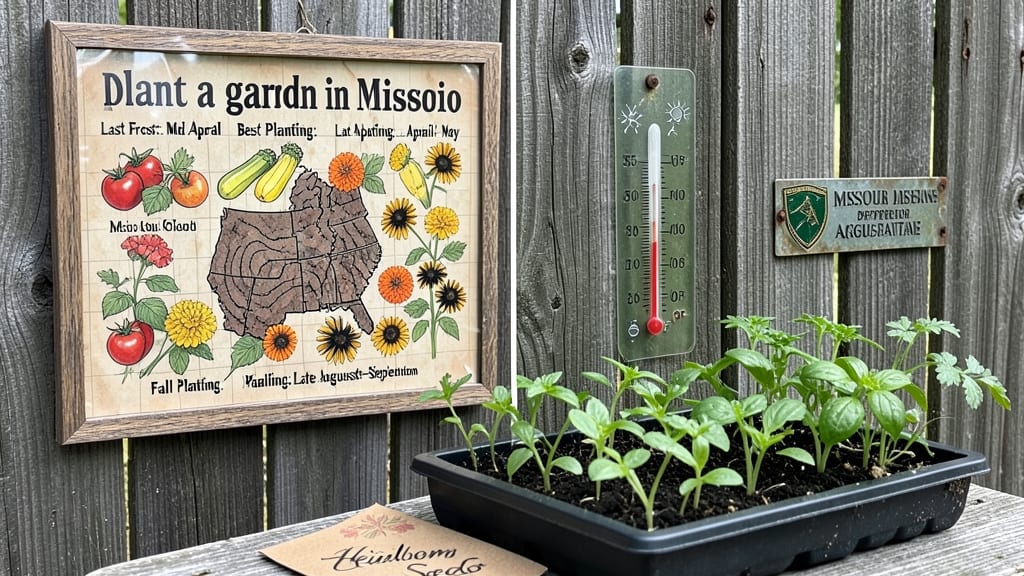
Timing your garden right in Missouri is the difference between a bountiful harvest and wasted effort—plant too soon, and frost will nip your dreams in the bud; wait too long, and you’ll miss peak growing months.
The Show-Me State’s 5b-6a climate demands precision, but with the right schedule, you can stretch your growing season from spring to fall.
Whether you’re dreaming of crisp 🌱 lettuce in June or sweet tomatoes by September, knowing when to plant is everything. Missouri’s last frost typically hits around April 15, but cool-season crops like peas and spinach can go in as early as mid-March if you’re brave.
Warm-season favorites like peppers and cucumbers, though, need to wait until after May 15 to avoid frost damage.
This guide breaks down the exact windows for planting everything from radishes to squash, so you can avoid common mistakes and maximize your garden’s potential. We’ll also cover how to plan a second harvest in fall—because why stop at one season when you can grow all year?
Ready to turn your Missouri backyard into a thriving garden? Let’s get started with the perfect planting timeline for your zone.
Missouri spring planting schedule by hardiness zones (5a-7b)
Missouri’s spring planting window hinges on USDA zones 5a-7b, where last frost dates vary by 1-2 weeks across regions. In northern Missouri (Zone 5a), gardeners typically wait until mid-April to plant cool-season crops, while southern Missouri (Zone 7b) can start as early as late March.
The key is tracking soil temperatures—most seeds need 40-50°F for germination.
For warm-season crops like tomatoes and peppers, wait until after the last frost, usually mid-May in most areas.
These plants won’t tolerate frost and need consistent warmth to thrive. Cool-season crops, such as lettuce and peas, can handle light frosts and should go in 4-6 weeks before your last frost date.
Missouri’s clay-heavy soil can delay warming, so amend beds with compost in early spring to speed up the process. A simple soil thermometer check ensures you’re planting at the right time—50°F+ for most vegetables signals it’s safe to start.
Here’s a quick reference for Missouri’s frost-free timeline by zone: Zone 5a (north) averages 160 frost-free days, while Zone 7b (south) enjoys 200+ days. This means southern gardeners can squeeze in two full harvests annually, while northerners focus on one spring and one fall garden.
| Plant Type | Best Planting Window | Soil Temp Requirement | Missouri Zone Notes |
|---|---|---|---|
| Cool-Season Veggies (lettuce, spinach, peas) | 4-6 weeks before last frost (March-April) | 40-50°F | Zone 5a: Start indoors Feb; Zone 7b: Direct sow March |
| Warm-Season Veggies (tomatoes, peppers, corn) | 2-3 weeks after last frost (May-June) | 60-70°F | Use black plastic mulch to warm soil faster in Zone 5a |
| Herbs (basil, cilantro, parsley) | After last frost (April-May) or late summer | 50-60°F | Basil needs warmth; cilantro bolts in heat—plant in fall |
| Flowers (marigolds, zinnias, cosmos) | After last frost (April-May) or late July for fall blooms | 55-65°F | Cosmos self-seed; marigolds deter pests—great for companion planting |
Missouri’s microclimates play a huge role in planting success. Urban areas like St. Louis (Zone 6b) often experience earlier last frosts than rural farmland, while southern Missouri’s bootheel (Zone 7b) can support year-round gardening for heat-loving crops like okra and sweet potatoes.
To extend your spring planting, use row covers or cold frames to protect early plantings. These tools can raise soil temperatures by 5-10°F, helping you start 2-3 weeks earlier for crops like broccoli and cabbage. Just remove covers once true leaves appear to prevent overheating.
For container gardening, Missouri’s shorter growing season means faster-maturing varieties are your best bet. Look for “early bush” tomatoes or “quick-harvest” lettuces labeled “45-50 days to maturity”. Containers also warm up faster than ground soil, giving you a 1-2 week head start.
Pro tip: Monitor local weather using resources like the Missouri Climate Center or Almanac’s frost prediction maps. These tools provide hyperlocal frost dates that can differ by 10+ days even within the same county. Set reminders for your area’s average last frost date to avoid costly mistakes.
Best fall planting times for a second Missouri garden harvest
Fall is your secret weapon for a second harvest in Missouri—when summer’s heat fades, cool-season crops thrive in the 50–70°F temperatures we see from August through October.
Unlike spring, fall planting gives you 6–8 weeks of ideal growing conditions before frost, meaning faster harvests for leafy greens and root vegetables.
Start with heat-tolerant varieties like kale and broccoli, which can handle late-summer heat better than their spring counterparts. For quick wins, radishes and lettuce mature in just 30–40 days, perfect for a late-August start.
Transplant cabbage and peas by early September to ensure they’re ready before the first frost around October 15.
Missouri’s shortened daylight in fall means plants grow slower, so focus on fast-maturing varieties. Check seed packets for “days to harvest” and count backward from your expected frost date.
For example, if frost hits October 15, a 45-day crop like spinach should be sown by August 20.
- Late August (Aug 15–31): Sow fast crops like radishes, lettuce, and spinach. Transplant broccoli and cabbage seedlings.
- Early September (Sep 1–15): Plant kale, peas, and carrots. Add compost to replenish soil nutrients.
- Mid-September (Sep 16–30): Direct-sow turnips and beets. Protect seedlings with row covers if nights dip below 50°F.
- Late September (Sep 30–Oct 10): Final sowings of hardy greens (e.g., collards) for a late harvest.
Soil prep is critical in fall—Missouri’s clay-heavy soil drains poorly when cold, so amend with compost or aged manure to improve structure. Test your soil’s pH (aim for 6.0–7.0) and adjust with lime if needed.
Mulch with straw or leaves to insulate roots and retain moisture, especially as temperatures drop.
Don’t overlook pest pressure in fall. Japanese beetles and squash bugs linger longer than you’d think, so monitor plants weekly. Use neem oil or row covers to protect young seedlings.
For extra warmth, extend your season with a cold frame or low tunnel, which can add 2–4 weeks of growing time.
With the right timing, your fall garden can outperform spring—just think of it as Missouri’s hidden harvest season. Start planning now, and you’ll be feasting on homegrown salad greens and root vegetables long after your neighbors’ gardens have gone dormant. 🌿