
Planting
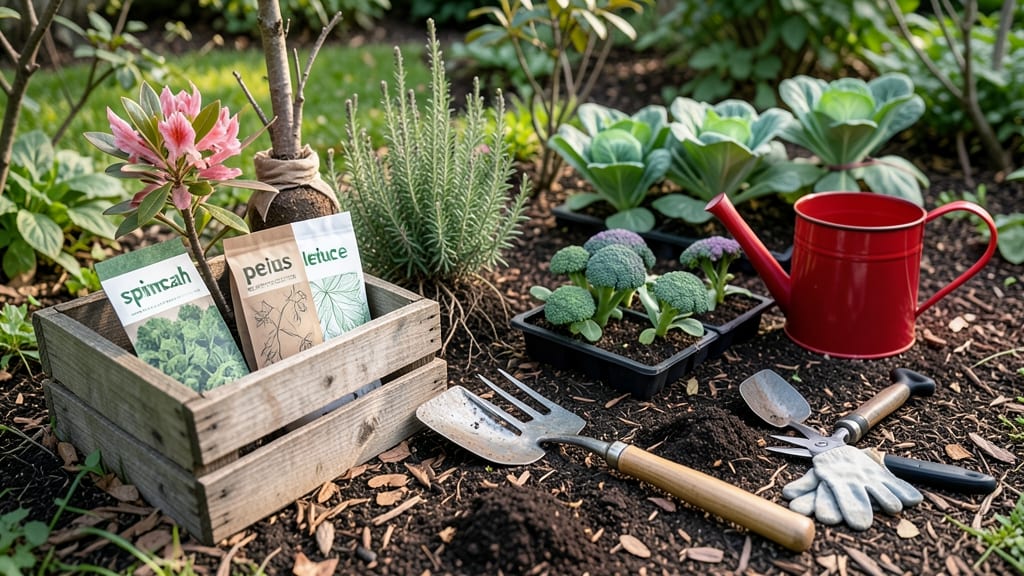
When to plant a garden in Washington State could mean the difference between a bumper crop and a sad, frost-nipped disappointment. With USDA zones 5b-9a across the state, knowing when to plant your 🌱 General Garden Plants depends on whether you're in the rainy Puget Sound or the drier Columbia Basin.
Spring planting runs from late March to early June, but your exact window shifts dramatically—think March 15 in Western WA versus May 1 in Eastern WA for last frost dates. Meanwhile, fall planting from August to September offers a second chance to grow cool-season crops before the first frost hits.
I’ll break down the best months for each region, so you can avoid common mistakes like planting tomatoes too early in the Cascades or zucchini too late in Spokane. Whether you’re a beginner or a seasoned gardener, these insights will help you maximize your harvest.
Ready to turn your backyard into a thriving garden? Let’s dive into the perfect planting schedule tailored to your corner of Washington—because timing really is everything when it comes to 🌱 General Garden Plants.
Washington State planting zones: when to start seeds and transplants by region
Washington State spans USDA Zones 5b through 9a, creating wildly different planting windows from the mild coastal regions to the hotter inland valleys.
In Seattle and the Puget Sound, you can start cool-season crops like spinach and peas as early as late February, while Eastern WA (Spokane, Wenatchee) waits until mid-April to avoid frost.
Understanding these zones helps you avoid costly mistakes like planting tomatoes too early in the Cascades or missing the fall harvest window in Yakima.
Your first step? Check your last average frost date. In Western WA, this typically falls around March 15, while Eastern WA sees its last frost closer to May 1.
Warm-season crops like peppers and cucumbers need to wait until two weeks after your last frost date, while cool-season crops (like kale and carrots) can handle light frosts and should be planted 4–6 weeks before your last frost.
Here’s how to match your region to the right planting timeline:
| Region | USDA Zone | Last Frost Date | Start Seeds Indoors | Direct Sow Outdoors |
|---|---|---|---|---|
| Western WA (Seattle, Olympia, Bellingham) | 7b-8a | March 15 | Late Feb–March | March–April (cool crops) / May–June (warm crops) |
| Puget Sound (Tacoma, Everett) | 7b-8a | March 20 | Late Feb–March | March–April (cool crops) / May–June (warm crops) |
| Eastern WA (Spokane, Wenatchee) | 5b-7a | May 1 | March–April | April–May (cool crops) / June (warm crops) |
| Columbia Basin (Yakima, Pasco) | 7a-8a | April 15 | Late March–April | April–May (cool crops) / May–June (warm crops) |
| Cascades (Leavenworth, Snoqualmie) | 5b-6b | May 15 | April–May | May–June (cool crops) / July (warm crops) |
If you’re growing warm-season crops like tomatoes or peppers, start seeds 6–8 weeks before your last frost date. For cool-season crops (e.g., broccoli, lettuce), you can direct-sow 4–6 weeks before your last frost—or even earlier with row covers.
In Eastern WA, where frost lingers longer, prioritize hardy varieties like Swiss chard or kale, which tolerate 20°F temperatures.
Pro tip: Use microclimates to your advantage. A south-facing slope in Spokane might warm up faster than your backyard, allowing you to plant 2 weeks earlier. Similarly, urban heat islands in Seattle can extend your growing season by 10–14 days compared to rural areas.
Always scout your space for frost pockets—low-lying areas where cold air settles and can kill tender seedlings.
For herbs and flowers, timing varies. Basil and marigolds need warm soil, so wait until after your last frost. Meanwhile, parsley and snapdragons are frost-tolerant and can be planted in early spring or fall.
Always check seed packets for specific heat requirements, as some plants (like dill) bolt in hot weather.
Finally, don’t forget fall planting! In Western WA, you can sow spinach and radishes as late as September, while Eastern WA allows for October plantings of garlic and onions. These cool-season crops thrive in fall’s mild temperatures and often produce sweeter harvests.
Just remember: first frost in Western WA hits around October 15, while Eastern WA sees frost by October 1.
Use these timelines as your garden’s roadmap, and you’ll avoid the heartbreak of <
Best months for planting specific vegetables in Washington’s climate
Washington’s climate varies dramatically—coastal areas like Seattle enjoy mild, wet winters, while Eastern WA (Spokane, Yakima) has hotter, drier summers. This means your tomatoes and peppers thrive in one region but may bolt in another. Let’s break down the best planting months for your top crops, tailored to WA’s microclimates.
For cool-season crops like lettuce, spinach, and kale, start seeds indoors 4–6 weeks before your last frost date. In Western WA, that’s often March, while Eastern WA gardeners should wait until late April to avoid frost.
Direct-sow these greens as soon as soil is workable (40°F+).
🌱🌱 Numbered Highlights: Planting Schedule for WA’s Top Crops 🌱🌱
- 🌿 Cool-Season Crops: Lettuce, Spinach, Peas, Broccoli → Start seeds indoors March (West) / April (East). Direct-sow March–April (West) / April–May (East).
- ☀️ Warm-Season Crops: Tomatoes, Peppers, Cucumbers → Wait until after last frost (May–June). Start indoors February–March for transplants.
- 🍓 Fruits & Berries: Strawberries, Raspberries → Plant spring (March–April) or fall (September). Bare-root plants need chilled soil (40°F+).
- 🥔 Root Vegetables: Potatoes, Carrots, Beets → Plant early spring (March–April) or late summer (August) for fall harvest. Avoid soggy soil.
- 🌻 Flowers & Herbs: Marigolds, Basil, Cilantro → Sow after frost (May–June). Basil hates cold—wait until soil is 60°F+.
If you’re growing tomatoes or peppers, time is critical. These frost-sensitive plants need warm soil (60°F+) to thrive. In Western WA, transplant seedlings in late May; in Eastern WA, wait until mid-June to avoid late frosts.
For potatoes, plant early spring (March–April) for a summer harvest or late summer (August) for storage crops.
Don’t overlook fall planting! Broccoli, kale, and carrots love cooler temps. Sow seeds in August for a September–October harvest before the first frost. In Eastern WA, where frosts hit earlier, aim for late July–August plantings. Succession planting—sowing small batches every 2 weeks—keeps your harvest steady.
For herbs like basil and cilantro, timing matters too. Basil needs consistent warmth—plant after May 15 in most of WA.
Cilantro, however, bolts in heat, so sow it in early spring (March) or late summer (August) for a second crop. Rosemary and thyme, drought-tolerant perennials, can be planted spring or fall and will thrive for years.
🌿 Remember: Western WA’s longer growing season (up to 200 frost-free days) lets you experiment with tender crops like okra or sweet potatoes, while Eastern WA’s shorter season (100–160 days) is better suited for fast-maturing varieties of zucchini or bush beans.
Always check seed packets for days to maturity and plan backward from your expected first frost.