
Planting
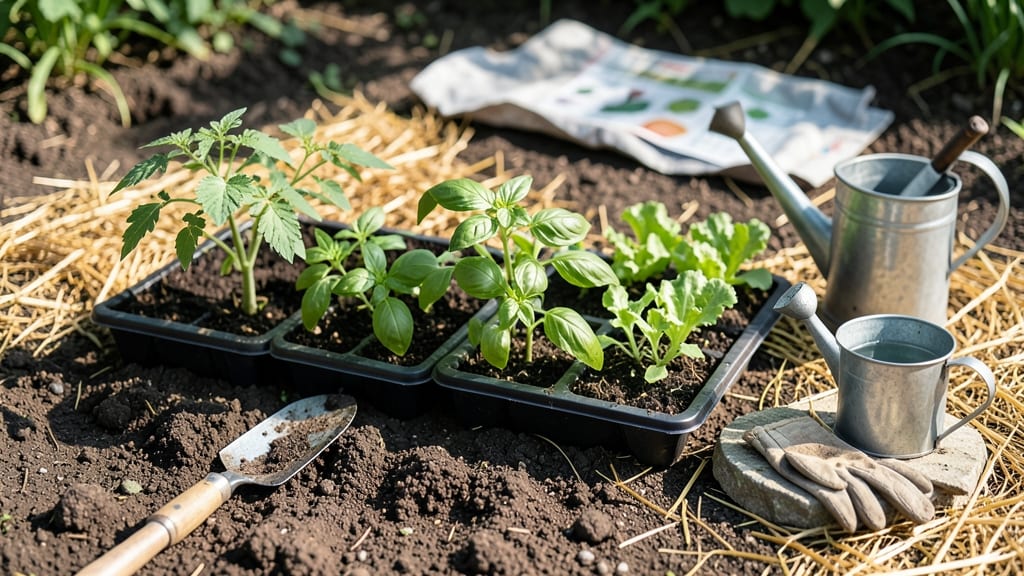
Timing your garden planting by your hardiness zone can mean the difference between a thriving harvest and a frozen disappointment. Whether you're in USDA Zone 6a or another region, getting the schedule right ensures your 🌱 garden thrives from the first seed to the last harvest.
The key? Understanding when to plant based on frost dates, soil temperatures, and your local climate—because every zone has its own rhythm.
I’ve spent years tracking planting windows, and what I’ve learned is that even a two-week shift can ruin your growing season. For example, in Zone 6a, spring planting typically starts after your last frost date (around April 15), but some cold-hardy crops can go in earlier.
The secret isn’t just memorizing dates—it’s knowing how to adjust for your specific microclimate and the types of plants you’re growing.
In this guide, I’ll break down the exact months for planting vegetables, flowers, and herbs in your zone, so you can avoid common mistakes like planting too early or missing the ideal window.
You’ll also discover how to extend your growing season with simple strategies, whether you’re a beginner or a seasoned gardener. Let’s get your garden off to the best possible start!
Ready to transform your garden from a gamble to a guaranteed success? The right timing isn’t just about luck—it’s about strategy. By following these zone-specific guidelines, you’ll be harvesting fresh produce and vibrant blooms all season long. Let’s dive into the details so you can plant with confidence.
Best planting months by USDA hardiness zone for zero-frost success
Planting your garden at the right time ensures your plants thrive instead of shrivel. The USDA Hardiness Zone system helps determine the best months to plant based on your local climate. Each zone has a last frost date and first frost date, which are critical for timing.
For example, in Zone 6a, like many northern U.S. regions, you’ll want to plant after April 15 to avoid frost damage.
Warmer zones, like Zone 9b in Southern California, have a longer growing season, allowing for year-round planting of frost-sensitive crops. Meanwhile, colder zones like Zone 3a in Minnesota require earlier starts, often indoors or under row covers. Understanding your zone’s frost-free days is key to planning your planting schedule.
Here’s a breakdown of the best planting months for each USDA zone, tailored for vegetables, flowers, and herbs to maximize your garden’s potential.
| Zone | Best Planting Months (Spring) | Best Planting Months (Fall) | Notes |
|---|---|---|---|
| 3a (e.g., Minnesota) | Late May - Early June | Late July - Early August | Start indoors early; use row covers. |
| 5b (e.g., Chicago) | Mid-April - Mid-May | Mid-August - Early September | Wait for soil to warm to 50°F. |
| 6a (e.g., New York) | Early April - Early May | Late July - Mid-August | Avoid planting before last frost (April 15). |
| 7b (e.g., Kansas City) | Mid-March - Early April | Mid-September - Early October | Longer growing season; plant cool crops early. |
| 8a (e.g., Atlanta) | Early February - Early March | Late September - Early November | Can plant year-round with protection. |
| 9b (e.g., Los Angeles) | January - February | September - October | Year-round planting possible for many crops. |
| 10a (e.g., Miami) | Year-round (rotate crops) | Year-round (rotate crops) | No frost risk; focus on seasonal variety. |
For example, if you’re in Zone 6a, like many parts of the Midwest, your last frost date is typically around April 15. This means you should wait until after this date to plant frost-sensitive crops like tomatoes or peppers.
However, cool-season crops like spinach or kale can often handle lighter frosts and can be planted as early as March.
In warmer zones like Zone 9b, you can plant year-round, but timing still matters. For instance, summer crops like cucumbers thrive in the heat, while cool-season crops like broccoli prefer milder temperatures.
Even in these zones, planting too late in the fall can expose crops to unexpected light frosts.
Always check your local frost dates using resources like the Old Farmer’s Almanac or your local cooperative extension service. These tools provide hyper-localized data that can adjust your planting schedule by 1-2 weeks for optimal results.
For instance, a microclimate near a large body of water might have 2-3 weeks later frost dates than inland areas.
Pro tip: Use biodegradable plant markers to track what you’ve planted and when. This helps you remember which crops need succession planting or fall harvests. For example, if you plant bush beans in early June, you’ll want to note their 60-day harvest window
How to adjust planting timing for early spring and late fall crops
Extending your growing season doesn’t mean you’re stuck with the standard spring planting window. With the right strategies, you can grow cold-hardy crops in early spring or fall harvests before the first frost. The key? Knowing how to calculate frost dates and use protective tools like row covers.
For early spring crops, start seeds indoors 6-8 weeks before your last frost date. This gives seedlings a head start while protecting them from late frosts. Use cold frames or row covers to shield tender plants once they’re in the ground.
Late fall planting works best for crops like spinach, kale, and radishes, which tolerate cooler temperatures. Aim to plant these 4-6 weeks before your first frost date—this gives them time to mature before winter sets in.
- 📅 Use a frost calculator to pinpoint your last/first frost dates (check USDA zone maps).
- 🌱 Start seeds indoors 6-8 weeks before last frost for early spring crops like peppers and tomatoes.
- 🛡️ Protect seedlings with row covers or cold frames to shield them from late frosts.
- 🍂 Plant fall crops 4-6 weeks before first frost—ideal for kale, lettuce, and radishes.
- 🌡️ Monitor soil temperature—most cool-season crops need soil at 40-50°F to germinate.
Don’t overlook microclimates in your garden. A south-facing wall or a sheltered spot can create a warmer microclimate, allowing you to plant 2-4 weeks earlier in spring or 2-3 weeks later in fall.
Even a small difference in location can mean the difference between a thriving plant and a frost-killed one.
For cold-hardy crops like broccoli, Brussels sprouts, and peas, you can often plant directly in the garden as soon as the soil is workable—sometimes even 2-4 weeks before your last frost date. These plants can handle light frosts and may even taste sweeter after a frost!
If you’re unsure about your frost dates, check local weather reports or use online tools like the Old Farmer’s Almanac or Almanac.com. These resources provide historical frost data for your area, helping you plan with confidence.