
Plants
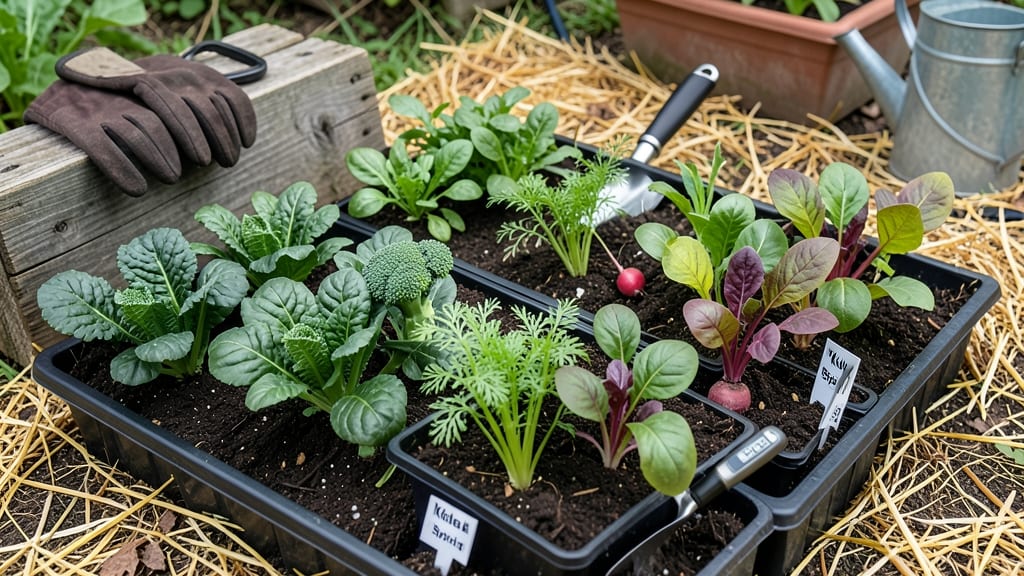
When to plant fall crops in Ohio is the secret to turning your garden into a productive machine—especially when frost can arrive as early as mid-October. If you’ve ever watched kale bolt in the heat or carrots freeze before reaching maturity, you know how frustrating it can be. The key? Starting 4-6 weeks before your first frost date, typically between mid-August and mid-September, when soil temps drop just enough to suit cool-season favorites. Ohio’s USDA Zone 6a climate adds another layer of complexity, where a late summer heatwave or an early frost can throw off even the most careful gardener. But don’t stress—this isn’t about guessing. It’s about working with your local microclimate, choosing fast-maturing varieties, and knowing exactly when to tuck seeds into the earth for a harvest that lasts well into November. Let’s break down the science (and shortcuts) to get it right every time. You’ll discover which crops—like spinach, radishes, and broccoli—thrive when planted in late August versus those that need a September start, plus how to stretch your growing season with simple tricks like row covers. We’ll also tackle the biggest mistakes Ohio gardeners make, like planting too late for a harvest before frost or ignoring soil prep that makes all the difference. Ready to turn your fall garden into a reliable food source until winter sets in? By the end, you’ll have a customizable planting schedule tailored to your Ohio location, so you can confidently sow seeds, avoid common pitfalls, and enjoy fresh homegrown greens and roots long after summer’s over. No more second-guessing—just a garden that delivers.
Ohio fall planting calendar: exact weeks before first frost by crop type
Ohio’s fall frost dates average around October 20 in most regions, but your exact timing depends on your USDA hardiness zone (5-7) and local microclimates. To maximize harvests, plant cool-season crops 4-6 weeks before the first frost—typically between mid-August and mid-September.
This window ensures plants mature before killing frost while avoiding summer heat stress.
Leafy greens like spinach and kale are the most forgiving, tolerating light frosts, while root crops like carrots and beets need consistent soil temperatures below 80°F. Herbs such as parsley and cilantro also thrive in cooler weather, making them ideal for late-summer sowing.
For northern Ohio (Zone 5), start 4-5 weeks before frost (early August for fast varieties like radishes or bush beans). In southern Ohio (Zone 7), you can extend planting until late September for cold-hardy crops like Brussels sprouts or broccoli, which handle brief frost exposures.
🌱
| Crop Type | Planting Window (Before Frost) | Days to Harvest | Zone 5 Adjustment | Notes |
|---|---|---|---|---|
| Leafy Greens (Spinach, Kale, Lettuce) | 4-6 weeks | 30-50 days | Start by August 15 | Tolerates light frost; succession plant every 2 weeks. |
| Root Crops (Carrots, Beets, Radishes) | 5-6 weeks | 45-60 days | Start by August 1 for Zone 5 | Loose soil prevents forking; harvest before hard frost. |
| Brassicas (Broccoli, Cauliflower, Brussels Sprouts) | 6-8 weeks | 60-90 days | Start by July 20 for Zone 5 | Needs consistent moisture; mulch to retain heat. |
| Legumes (Peas, Bush Beans) | 3-4 weeks | 30-45 days | Start by September 1 for Zone 5 | Fast-growing; ideal for late-season harvests. |
| Herbs (Parsley, Cilantro, Dill) | 4-5 weeks | 40-50 days | Start by August 20 | Cold-hardy; harvest before flowering for best flavor. |
Use this fall planting schedule as a baseline, but always verify your local frost dates using the NOAA Frost Calculator or your county extension office. For example, Columbus (Zone 6a) typically sees frost by October 15, while Toledo (Zone 5b) may experience it as early as October 1.
Adjust your timing accordingly to avoid premature bolting or stunted growth.
To extend your harvest window, consider succession planting every 2-3 weeks for crops like radishes or lettuce. This ensures a steady supply while accounting for Ohio’s variable fall temperatures. For heat-sensitive crops like spinach, opt for shade cloth during the hottest part of August to prevent bolting.
How to adjust planting dates for Ohio’s microclimates and frost variations
Ohio’s fall frost dates aren’t set in stone—they shift based on microclimates, elevation, and even nearby water bodies. In southern Ohio (Zone 6b-7a), the first frost might hit as early as October 10, while northern Ohio (Zone 5b) can see frost as late as October 25.
To avoid surprises, check the NOAA’s Climate Normals for your county or use the Old Farmer’s Almanac frost predictor tool.
For a 10-day buffer, plant fast-maturing varieties (like radishes or bush beans) 5 weeks before your average frost date. If you’re in a cooler microclimate (e.g., near lakes or higher elevations), push planting back by 1-2 weeks.
Conversely, urban heat islands can delay frost by 5-7 days, giving you extra time for slow-growing crops like Brussels sprouts.
🚨 CRITICAL: Use row covers or low tunnels to extend your season by 2-4 weeks. These tools create a 5-10°F warmer microclimate, letting you plant spinach or kale up to 3 weeks later than the standard window.
Just remove covers during the day to prevent heat stress in late September.
⚠️ Frost Risk Warning
Early frosts can sneak in during September, especially in northern Ohio. Monitor the National Weather Service for "killing frost" alerts—these indicate temps below 28°F, which damages even cold-hardy crops like broccoli. If frost is forecasted within 48 hours, cover plants with lightweight blankets or burlap.
Adjust your planting schedule based on your crop’s cold tolerance. Peas and lettuce can handle light frosts (down to 25°F), while carrots and beets need to be harvested before 30°F. For maximum yield, stagger plantings every 2 weeks—this ensures a continuous harvest until frost.
If you’re unsure about your local frost date, use the "50% chance of frost" rule: Plant heat-loving crops (like cucumbers) by mid-August, and cool-season crops (like kale) by early September.
For southern Ohio, add 1 week to these deadlines; for northern Ohio, subtract 1 week.
Pro tip: Test your soil temperature before planting—cool-season crops thrive in 50-70°F soil. If your soil is still above 75°F in late August, wait 10-14 days or use shade cloth to cool the roots. This prevents bolting in leafy greens and bitter flavors in radishes.