
Plants
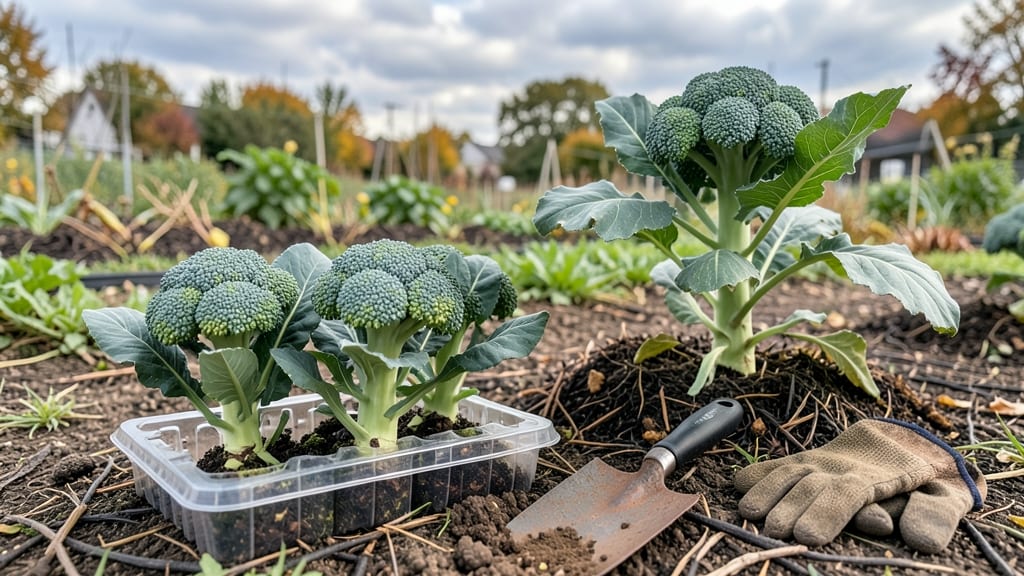
Timing your fall broccoli planting in Zone 6 is the game-changer between a garden full of 🥦 and a disappointing flop. The key lies in those 4-6 weeks before frost, where cooler temps actually sweeten the flavor and prevent bolting—if you nail the window.
Most gardeners in Zone 6a-6b wait until late August or early September to start, but your exact timing depends on local frost dates and whether you're using transplants or direct sowing.
Plant too early, and your broccoli might bolt in summer heat; too late, and frost will nip tender sprouts before they mature.
What makes this season special is how broccoli thrives in cooler weather, producing bolder, sweeter heads than spring plantings. The trick is preparing your soil now—rich in compost, with proper spacing—and choosing cold-hardy varieties like 'Waltham 29' that handle Zone 6's first frost around November 1.
I’ll walk you through the exact weeks to plant, soil prep secrets, and how to stretch your harvest into winter with row covers. Let’s turn your fall garden into a broccoli powerhouse—no guesswork, just guaranteed results.
Zone 6 fall broccoli planting calendar: exact weeks before first frost
Getting your fall broccoli timing right in Zone 6 means planting between 4-6 weeks before your first frost. For most of Zone 6, this lands in late July to early August, but your exact window depends on whether you're in 6a (colder) or 6b (warmer).
The key is avoiding bolting from summer heat while ensuring heads mature before winter sets in.
In Zone 6a, where the first frost typically arrives around October 20, aim to plant transplants or direct sow seeds by August 1.
For Zone 6b, with an average frost date of November 1, you have a slightly longer window—late July to mid-August—for both transplants and seeds. This timing ensures your broccoli reaches harvest maturity (60-90 days) before cold snaps.
Pro tip: Use seedling transplants instead of direct sowing for fall broccoli. They give you a 2-3 week head start, which is critical in Zone 6’s shorter growing season. Start seedlings indoors 4-6 weeks before transplanting outdoors, or buy healthy 6-week-old seedlings from a nursery.
Here’s the breakdown of your Zone 6 fall broccoli planting calendar, including ideal dates for transplants and direct sowing, along with expected harvest windows:
| Planting Stage | Zone 6a (Colder) | Zone 6b (Warmer) | Harvest Window |
|---|---|---|---|
| Transplants | August 1–15 | Late July–August 15 | October–November |
| Direct Sow Seeds | August 15–September 1 | August 1–15 | November–December |
| Soil Temperature | 50–65°F | 50–65°F | N/A |
| Days to Maturity | 60–90 days | 60–90 days | Adjust for variety |
For direct sowing, wait until soil temperatures drop below 80°F to prevent bolting. If you’re in a hotter microclimate within Zone 6, consider using shade cloth to protect young seedlings from intense afternoon sun.
This is especially important for late July plantings, which can still experience summer heat.
Another critical factor is spacing. Fall broccoli needs 18–24 inches between plants to develop properly. Crowding leads to smaller heads and increased disease risk. If space is limited, opt for compact varieties like ‘De Cicco’ or ‘Calabrese,’ which mature faster and tolerate cooler temps better than standard types.
Finally, succession planting can extend your harvest. Plant a second batch 2–3 weeks after your initial transplanting to ensure a steady supply. This works best in Zone 6b, where the growing season is slightly longer. Just be sure to use row covers if frost threatens before heads mature.
Timing isn’t just about the calendar—it’s about reading your microclimate. If your garden sits in a frost pocket or near a heat-retaining wall, adjust your planting dates accordingly. A week earlier or later can make all the difference between a frost-bitten crop and a sweet, homegrown harvest 🥦.
5 Critical factors that determine your fall broccoli success in Zone 6
Choosing the right fall broccoli varieties is your first critical decision in Zone 6. Opt for cool-season varieties like ‘Waltham 29’ or ‘De Cicco’—these handle fall temperature drops better than spring types.
Smaller varieties like ‘Calabrese’ also work well, maturing faster in shorter seasons. Transplants (not seeds) give you a 2-3 week head start over direct sowing, which is essential when your growing window is tight.
Soil temperature is non-negotiable—broccoli roots thrive in soil temps between 60-70°F. Use a soil thermometer to check before planting; if it’s cooler, wait or use black plastic mulch to warm the soil faster. Cool soil slows germination and weakens seedlings, leading to stunted growth or bolting (premature flowering).
Test your soil’s pH too—broccoli prefers 6.0-7.0, and amending with lime or sulfur can save you from nutrient deficiencies.