Planting
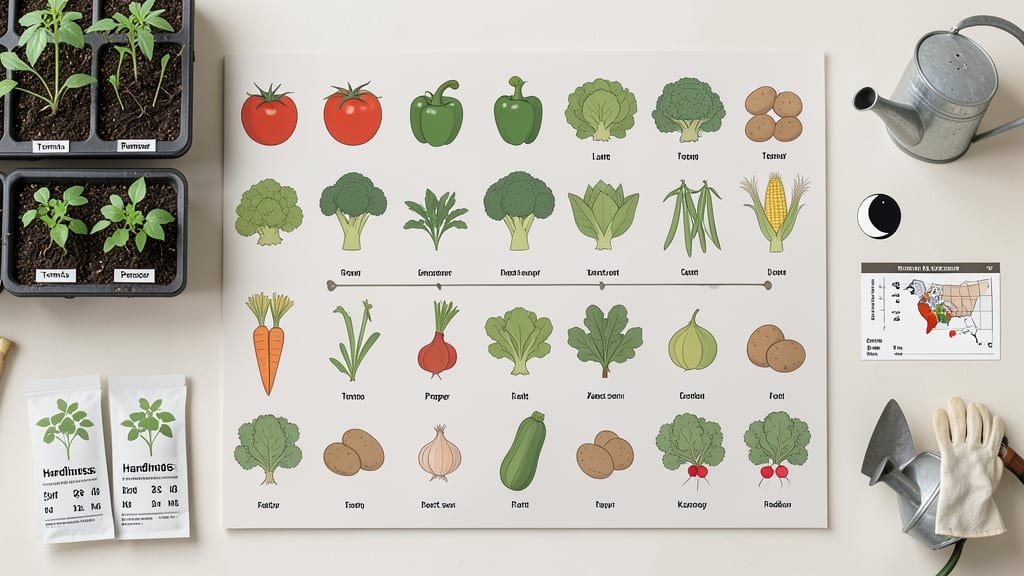
When to plant a vegetable garden in NJ can make or break your harvest—get it wrong, and you're staring at frost-killed seedlings or stunted growth. The perfect planting window depends on whether you're near the coast, in the piedmont, or up in the highlands, where microclimates shift frost dates by weeks.
I’ve spent years testing what works in my backyard (and talking to fellow NJ gardeners), and the key is knowing your last frost date—whether it’s April 15th in coastal areas or May 1st inland. Miss these windows, and you’ll either rush crops or waste precious garden space.
This guide breaks down exactly when to plant your 🌱 vegetable garden in NJ for 2024, from cool-season greens to heat-loving tomatoes. We’ll cover frost-free day calculations, soil prep hacks, and how to stretch your season without risking damage.
Ready to grow a thriving garden? Let’s dive into the schedules that’ll have you harvesting all summer long—no guesswork, just results.
NJ last frost dates by region: coastal vs inland planting schedules
New Jersey’s three distinct microclimates—coastal, piedmont, and highlands—create wildly different planting windows. The average last spring frost can vary by 2-3 weeks between Cape May and the Poconos. For 2024, I’ll break down the critical dates you need to know to avoid frost damage and maximize your harvest.
Coastal areas like Atlantic City and Cape May enjoy warmer temperatures year-round thanks to ocean breezes. Inland regions like Trenton and Newark experience colder nights, while the highlands (Sussex County) face the earliest frosts. Understanding these differences helps you choose the right planting window for each crop.
🌱Pro Tip: Always check the 10-day forecast 2 weeks before your target planting date. A late frost can delay warm-season crops by 3-4 weeks.
| Region | Avg. Last Spring Frost | Avg. First Fall Frost | Frost-Free Days | Best Warm-Season Start |
|---|---|---|---|---|
| Coastal (Atlantic City, Cape May) | April 15 | November 10 | 205 days | April 22-May 1 |
| Piedmont (Trenton, Newark) | April 22 | October 31 | 190 days | May 1-May 15 |
| Highlands (Sussex County) | May 1 | October 15 | 165 days | May 15-June 1 |
For cool-season crops like kale and spinach, you can start seeds 4-6 weeks before your last frost date. In coastal NJ, that means mid-March, while inland gardeners should wait until late March.
Warm-season crops like tomatoes and peppers need soil temperatures above 60°F, which typically happens 2-4 weeks after your last frost date.
🌡️Soil Temperature Tip: Use a soil thermometer to confirm warmth. Cold soil can stunt seed germination, even if air temperatures are mild.
Fall planting follows the opposite rule. Direct-seed cool-season crops like broccoli and carrots 6-8 weeks before your first frost. In coastal areas, that’s early September, while inland gardeners should aim for mid-August.
For a second fall harvest, use row covers to extend the season by 3-4 weeks.
📅Rutgers Extension Resource: For real-time updates, check the Rutgers Garden Informer, which provides weekly frost risk alerts and planting calendars tailored to your ZIP code.
Microclimates within your garden also matter. A south-facing wall can warm soil by 5-10°F, while a shady corner may delay planting by 1-2 weeks. Observe your garden’s unique conditions to fine-tune your schedule.
✂️Action Step: Mark your last frost date on a calendar and count backward for cool-season starts or forward for warm-season plants. Adjust by 1 week if you’re using row covers or black plastic mulch to warm the soil.
Best vegetables to plant in NJ by season: from cool-weather starts to heat-loving crops
New Jersey’s diverse microclimates mean your spring planting schedule should differ between coastal areas and inland zones. Cool-season crops like kale and spinach thrive in March-April, while warm-season favorites such as tomatoes and peppers need soil temperatures above 60°F—typically late May to June.
For continuous harvests, use succession planting—sow lettuce every 2 weeks from spring to fall. Fall planting (August-September) works for frost-hardy crops like broccoli and carrots, which mature before first frost in November.
🌱
| Vegetable | Best Planting Window | Microclimate Fit | Harvest Time |
|---|---|---|---|
| Kale | March-April or August-September | All regions (frost-tolerant) | 60-70 days |
| Tomatoes | Late May-June (after last frost) | Inland/piedmont (warmer soil) | 65-85 days |
| Spinach | March-April or September | Coastal (bolts in heat) | 40-50 days |
| Peppers | Late May-June (soil 70°F+) | Inland/highlands (longer season) | 70-90 days |
| Carrots | April-May or August | All regions (loose soil needed) | 60-80 days |
My coastal gardeners can start warm-season crops like cucumbers and beans 2-3 weeks earlier than inland areas. Soil thermometers are worth the investment—peppers and eggplants won’t germinate below 65°F, while lettuce bolts when soil hits 80°F.
For fall harvests, prioritize fast-maturing crops like radishes (25 days) or bush beans (50 days). Row covers can push fall planting 3-4 weeks later by protecting tender greens from light frosts.
🌿
Pro tip: Check Rutgers Cooperative Extension’s NJ Garden Guide for localized frost alerts. Succession planting every 10-14 days ensures continuous harvests—perfect for bush beans or leaf lettuce.