
Planting
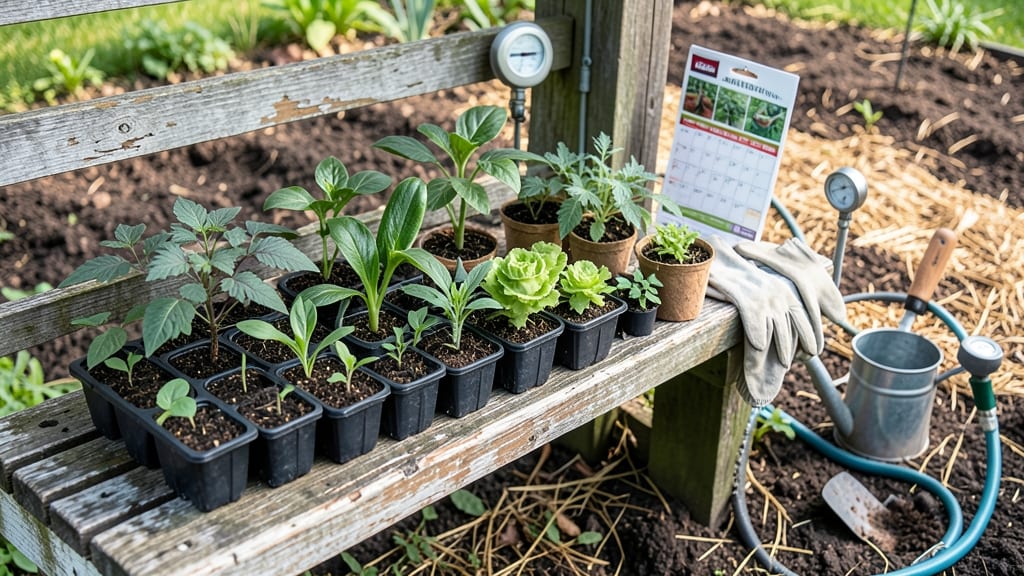
Timing when to plant a vegetable garden in Oklahoma isn't just about following a calendar—it's about outsmarting the state's unpredictable frosts and scorching summers. Plant too soon, and a late freeze could wipe out your seedlings; wait too long, and the heat might stunt your harvest before it even starts.
With three distinct USDA zones and microclimates that vary dramatically, there's no one-size-fits-all answer—but there are proven strategies to maximize your success.
I've analyzed Oklahoma's unique growing conditions to create a zone-specific planting schedule that accounts for everything from soil temperature to frost dates.
Whether you're in the cooler northern regions or the warmer southern plains, knowing the exact window for each vegetable type is the difference between a thriving garden and a disappointing one.
Let's break down the optimal months for cool-season crops like lettuce and warm-season favorites like tomatoes, so you can plan with confidence.
What makes Oklahoma gardening particularly tricky is the late spring frosts that can linger well into April, even in the southern zones. But don't let that discourage you—with the right timing and a few simple adjustments, you can still enjoy a bountiful harvest.
I'll show you how to work with Oklahoma's quirks, including when to start seeds indoors, when to transplant, and how to extend your growing season for maximum yield.
Ready to transform your garden into a productive oasis? By the end of this guide, you'll have a clear roadmap for planting each vegetable at the perfect time—ensuring your hard work pays off with healthy plants and abundant harvests all season long. Let's get started.
Oklahoma planting calendar: best months for vegetables by hardiness Zone
Oklahoma’s three USDA hardiness zones (6b, 7a, 7b) create distinct planting windows, but all share one critical rule: wait until soil warms to 60°F+ for warm-season crops.
The average last frost dates range from March 15 (Zone 7b) to April 15 (Zone 6b), but late frosts can linger—especially in western Oklahoma’s high desert microclimates. Use these zone-specific guides to align planting with Oklahoma State University’s recommended frost-free windows.
Cool-season vegetables like lettuce, peas, and spinach thrive when soil temps stay below 75°F.
In Zone 6b (northwest OK), plant these by March 1–March 15 for fall harvests. Zone 7a (central OK) gardeners can extend cool-season planting to March 15–April 1, while Zone 7b (southeast OK) offers a March 1–April 15 window thanks to milder winters.
Always check 7-day soil forecasts via the Oklahoma Mesonet to avoid frost damage.
Warm-season crops—tomatoes, peppers, and squash—demand patience. Zone 6b should wait until April 30–May 15 (after soil reaches 65°F), while Zones 7a/7b can start March 30–April 15.
Use black plastic mulch to warm soil faster in cooler zones. Pro tip: Transplant seedlings instead of direct-sowing in early spring to bypass slow germination in cold soil.
Succession planting is non-negotiable in Oklahoma’s short growing season. For lettuce and radishes, sow every 2 weeks from March to August. Green beans and cucumbers benefit from two plantings: one in April–May and another in July for fall harvests.
Heat-loving okra and sweet potatoes should go in after June 1 to avoid wilting in 90°F+ soil.
Oklahoma’s western plains (Zone 6b) face the highest frost risk, while southeastern hills (Zone 7b) contend with humidity and fungal diseases. Adjust planting by 10–14 days if your microclimate differs—e.g., valleys stay cooler than ridges.
Always harden off seedlings for 7–10 days before transplanting to prevent shock in Oklahoma’s dry winds.
For container gardening, warm-season crops can start 2 weeks earlier in pots, as they heat up faster. Use heat-tolerant varieties like ‘Arkansas Traveler’ tomatoes or ‘Straight Eight’ okra, which thrive in Oklahoma’s summer heat. Mulch with straw or wood chips to retain moisture—critical during June–August droughts.
Track your local first and last frost dates via the Oklahoma Mesonet or OSU Extension for real-time adjustments. In Zone 6b, expect first frost by October 15
Top 10 vegetables to grow in Oklahoma (and their ideal planting times)
Oklahoma’s diverse climate makes it perfect for growing 10 standout vegetables that thrive in USDA Zones 6b–8a. From heat-loving tomatoes to frost-hardy greens, timing is everything. Here are the top performers and their optimal planting windows to maximize your harvest.
Start with cool-season crops like lettuce and peas in early spring (March–April) or late summer (August–September) for fall harvests. These varieties handle Oklahoma’s unpredictable frosts better than heat-sensitive plants. For example, broccoli and cabbage should be sown 8–10 weeks before your average last frost date (typically mid-April in most zones).
| Vegetable | Best Planting Time | Oklahoma-Specific Tip |
|---|---|---|
| Tomatoes | April–May (after frost) | Use black plastic mulch to warm soil faster. |
| Peppers | April–June | Start indoors in March for early harvests. |
| Squash | May–June | Plant after soil temps reach 70°F+. |
| Lettuce | March–April or August–September | Use shade cloth in summer to prevent bolting. |
| Green Beans | April–May or July–August | Succession plant every 2 weeks for continuous harvests. |
Warm-season favorites like tomatoes and peppers need consistent warmth, so wait until after the last frost (usually mid-April to early May) and when soil temps hit 60°F+. For squash and cucumbers, delay planting until May–June to avoid cucumber beetles, which thrive in early summer.
Oklahoma’s dry heat can stress these plants, so mulch heavily to retain moisture.
Succession planting is a game-changer in Oklahoma. For example, green beans and radishes can be sown every 2–3 weeks from April through July to stretch your harvest. This works especially well for short-season crops like bush beans and turnips, which mature in 45–60 days. Even in Zone 8a (southern Oklahoma), you can squeeze in a fall crop of lettuce or spinach by planting in late summer.
Don’t overlook drought-tolerant varieties like okra and sweet potatoes, which thrive in Oklahoma’s hot, dry summers. Okra, for instance, should be planted in late spring (May) and can handle poor soil if given full sun.
Meanwhile, sweet potatoes benefit from long, hot summers and can be started from slips in June. Both are low-maintenance and perfect for beginners or busy gardeners.
Pro tip: Use Oklahoma State University Extension’s frost date maps to fine-tune your schedule. For instance, Zone 6b (northwest OK) has a later last frost than Zone 8a (southeast OK), so adjust accordingly. And always keep an eye on weather forecastsApril, even in warmer zones.