
Plants
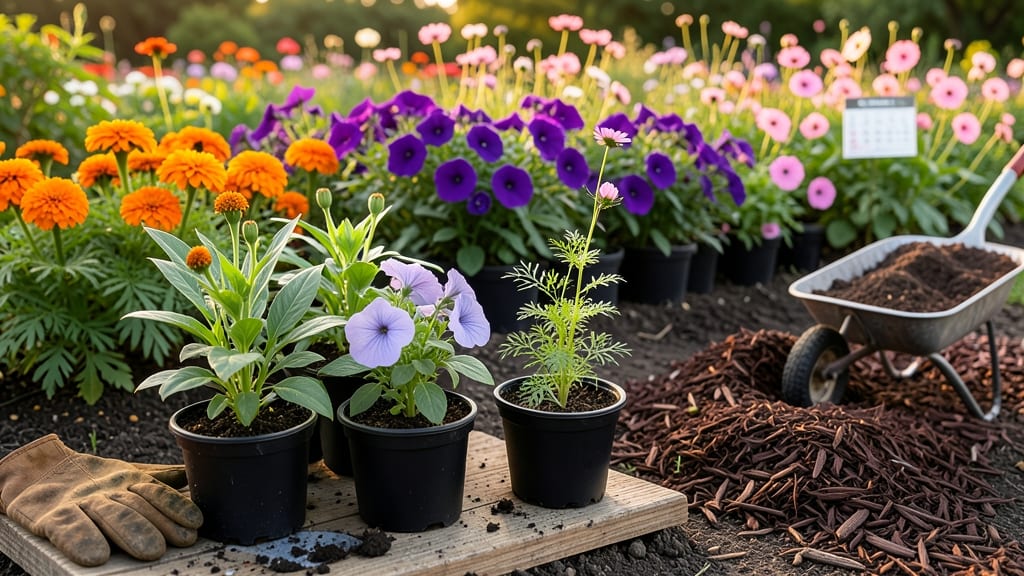
Timing when to plant annuals in Chicago can mean the difference between a garden that dazzles and one that wilts before it even begins. With Zone 6a's unpredictable frosts and lake-effect winds, getting those seeds in the ground at the right moment is everything.
Most gardeners know the general rule—wait until after the last frost—but Chicago’s April 15 deadline isn’t just about dates. Soil temperature, microclimates, and even your neighborhood’s urban heat island can shift that window by weeks.
Whether you’re planting 🌸 petunias for summer color or zucchini for a harvest feast, nailing the timing ensures your annuals thrive all season.
I’ve spent years perfecting the schedule for Chicago gardens, and the secrets aren’t just about when to plant—they’re about how to adjust for your specific conditions.
From extending the season with row covers to choosing the right varieties for your zone, you’ll learn the exact strategies to turn your garden into a blooming, bountiful success.
Let’s dive into the frost-free deadlines, soil prep, and care tips that’ll have your annuals flourishing from May through October—no matter where you live in the city or suburbs.
Chicago annual planting deadlines by Zone 5a vs 6b: exact dates
Chicago’s USDA Zones 5a and 6b create a tight window for planting annuals—just 165 frost-free days between the last spring frost (April 15) and first fall frost (October 15).
Missing these deadlines can mean wilted seedlings or prematurely frozen plants. Zone 6b (warmer) gets a 2-week head start over Zone 5a, so I’ll break down the exact dates you need to know.
For spring planting, aim to get cold-sensitive annuals like impatiens and basil in the ground 2-3 weeks after the last frost. Heat-loving varieties such as marigolds and zinnias can wait until May 1 in Zone 5a or April 20 in Zone 6b. Fall planting starts August 1 for cool-season annuals like pansies and kale.
| Zone | Last Frost Date | Spring Planting Window | Fall Planting Window | Key Adjustments |
|---|---|---|---|---|
| Zone 5a | April 25 | May 10 - May 25 | August 1 - September 10 | Wait until soil reaches 60°F |
| Zone 6b | April 15 | April 25 - May 15 | August 15 - September 15 | Can start cold frames earlier |
| Both Zones | October 15 | N/A | N/A | First frost risk after this date |
Use these dates as your planting anchors, but always check the National Weather Service for late frosts. For Zone 5a, I recommend hardening off seedlings 1-2 weeks earlier than Zone 6b to account for slower soil warming.
In my urban Chicago garden, I’ve seen 3-5°F temperature swings between neighborhoods—so adjust by 3-5 days if you’re in a heat island or lake-effect zone.
For vegetable annuals like basil and cucumbers, wait until May 15 in Zone 5a (or May 1 in Zone 6b) to avoid chilling injury. These plants thrive in 70-85°F soil, so test with a soil thermometer before planting.
I’ve lost entire basil crops by planting too early—don’t make my mistake!
If you’re growing fall annuals, prioritize quick-maturing varieties like bush beans (50 days) or cosmos (60 days). These give you maximum blooms before the October frost.
For extended seasons, use row covers to push fall planting to September 15—just remove them 2 weeks before the first frost to harden off plants.
Pro tip: Succession plant every 2 weeks from May to August for continuous blooms. For example, sow zinnias on May 10, May 24, and June 7 to enjoy flowers until frost. This 3-plant strategy ensures your garden stays vibrant all season.
Remember, Chicago’s wind can drop temperatures 10°F faster than inland areas. If you’re near Lake Michigan, wait 5-7 days longer to plant heat-sensitive annuals like geraniums. Always have frost cloth on hand for late-May surprises—trust me, they happen!
For container gardening, warm soil heats up faster than in-ground beds, so you can plant 1-2 weeks earlier. Just ensure containers have drainage holes and use lightweight potting mix to prevent waterlogging. My balcony petunias bloom 2 weeks earlier than in-ground plants!
Finally, mark your calendar for August 1—this is your last chance to plant fall annuals in Zone 5a. After this date, only extremely hardy varieties like pansies and snapdragons
How to adjust planting times for Chicago’s microclimates and soil conditions
Chicago’s urban heat islands and lake-effect winds create microclimates that can shift planting times by 1-2 weeks. Downtown areas often warm up faster than suburban zones, while lakefront gardens stay cooler longer. Always check your specific last frost date—some Chicago neighborhoods experience frost 2 weeks later than others.
Start by testing your soil temperature with a thermometer—most annuals thrive when soil reaches 60°F (15°C). Cold, heavy clay soils common in Chicago’s Zone 5a areas need warming before planting. Raised beds or black plastic mulch can raise soil temps 5-10°F faster than ground soil.
🌱
🌿 Microclimate Adjustments
- 🏙️ Downtown/Urban: Plant 1 week earlier (heat absorbs faster)
- 🌊 Lakefront: Delay 7-10 days (cooler lake breezes)
- 🏡 Suburban: Follow average frost dates (Zone 5a/6b guidelines)
- 🌳 Wooded Areas: Plant 2 weeks later (slower warming)
💧 Soil Prep Tips
- ☑️ Amend clay: Mix in 3 inches compost + sand for drainage
- ☑️ Warm soil: Use black plastic mulch 1 week before planting
- ☑️ Test pH: Aim for 6.0-7.0 (most annuals prefer slightly acidic)
Extend your growing season with row covers or cold frames—these let you plant 3-4 weeks earlier in spring and 2-3 weeks later in fall. For example, spinach and lettuce can tolerate light frosts under covers, while tomatoes and peppers benefit from protected warm-up periods.
Succession planting is your secret weapon for continuous blooms. In Chicago’s short season, stagger plantings every 2-3 weeks from May through July. For instance, sow basil in early May, then again in late May, and early July to ensure fresh herbs all summer.
🌿 For container gardens, use heat-retentive pots (black or dark-colored) and place them on elevated stands to warm soil faster. Move containers closer to south-facing walls during cool snaps, and use self-watering systems to prevent drying in windy conditions.
Finally, monitor your garden’s wind exposure. Chicago’s lake breezes can stress young plants—use windbreaks (like cornstalks or burlap) for the first 2-3 weeks after transplanting. This gives delicate annuals like cosmos and marigolds time to establish roots before facing full exposure.