Plants
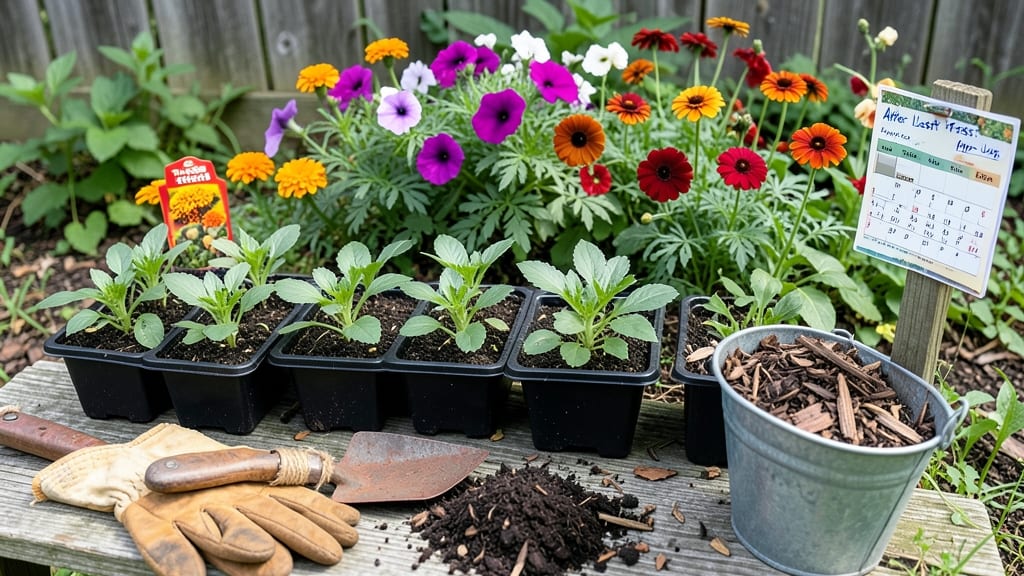
Timing your annuals planting in Massachusetts can mean the difference between a garden bursting with color and one that fizzles out before summer even begins.
Whether you're dreaming of vibrant petunias or a bumper crop of zucchini, getting those seeds in the ground at the right moment is the key to success.
In Zone 5-7B, where last frost dates can vary by weeks, planting too early risks losing tender young plants to late cold snaps. But wait too long, and you’ll miss out on that long, lush season of blooms and harvests.
I’ll break down exactly when to plant—from coastal breezes to inland heat pockets—so you can learn how to time it perfectly.
From cool-loving pansies to heat-seeking marigolds, different annuals have different needs. We’ll cover how to adjust your schedule based on what you’re growing, plus pro tips for extending your season with row covers and succession planting. Let’s make sure your garden thrives all summer long.
Ready to transform your outdoor space? Grab your gloves and let’s dive into the exact weeks before last frost that will set your annuals up for a more efficient and rewarding growing season. Your future garden self will thank you!
Massachusetts last frost dates by Zone 5-7B and ideal planting weeks before
Massachusetts spans USDA Zones 5-7B, meaning frost dates vary dramatically from the cooler inland areas (like Worcester) to warmer coastal zones (like Cape Cod). The average last frost date ranges from mid-April in Zone 7B to mid-May in Zone 5.
Timing your annuals correctly ensures they thrive—not just survive.
For cool-season annuals (like lettuce or pansies), you can start 4-6 weeks before your last frost date. Warm-season favorites (tomatoes, marigolds) need to wait until 2-3 weeks after the last frost when soil temps hit 60°F+. Let’s break it down by region for precision.
🌱 Massachusetts Last Frost & Planting Timeline
| Zone & Region | Avg. Last Frost | Cool-Season Planting | Warm-Season Planting |
|---|---|---|---|
| Zone 5 (Worcester, Springfield) | May 10-15 | March 20-April 5 | May 20-June 1 |
| Zone 6 (Boston, Providence) | April 25-May 5 | March 10-April 1 | May 10-May 25 |
| Zone 7B (Cape Cod, Nantucket) | April 10-15 | February 25-March 15 | April 25-May 10 |
*Adjust 1-2 weeks earlier for microclimates like urban heat islands or later for high elevations.
Pro tip: Use the National Weather Service’s frost prediction tool for your exact location. I’ve planted cosmos seeds in Zone 6B too early and watched them freeze—always verify with local data!
For vegetable annuals, prioritize soil temperature over air temperature. Use a soil thermometer ($10 at garden centers) to confirm 60°F+ for warm-season crops. Cool-season veggies (like spinach) tolerate 40°F soil but grow slower.
In Zone 7B coastal areas, you can even try early March sowings under row covers for heat-loving plants like peppers. I’ve had jalapeños thriving by June this way—just monitor for early spring frosts!
Don’t forget succession planting for a continuous harvest. For example, sow bush beans every 2 weeks from late May through July to stretch your harvest until frost.
If you’re unsure, err on the later side for warm-season plants. A 2-week delay is better than risking a frost-killed seedling. I’ve learned this the hard way with tomato transplants!
For container gardening, warm up soil faster by placing pots on black plastic mulch or using heat mats. This lets you plant 1-2 weeks earlier than in-ground gardens.
How to adjust planting timing for early bloomers vs. heat-loving annuals
Massachusetts gardeners can extend their blooming seasons by strategically timing cool-season annuals like pansies and snapdragons with heat-loving varieties such as marigolds and zinnias. The key lies in understanding each plant's temperature preferences and using succession planting to keep your garden vibrant from spring through fall.
For cold-hardy annuals, plant them 4-6 weeks before your last frost date. These varieties thrive in cooler temperatures and can even handle light frosts. In Zone 5-6, aim for early April, while Zone 7B gardeners can start as early as late March.
This early start ensures longer blooms before summer heat sets in.
Conversely, warm-season annuals need to wait until 2-3 weeks after your last frost date when soil temperatures consistently reach 60°F+. In Massachusetts, this typically means late May to early June. Planting too early risks stunted growth or even death from chilly soil.
🌱 Pro Tip: Use row covers or cold frames to protect tender seedlings if you're eager to start warm-season plants earlier. These tools can push your planting window by 2-4 weeks, giving you a head start on summer blooms.
| Plant Type | Ideal Planting Time | Soil Temp | Season Extension Tip |
|---|---|---|---|
| Cold-Hardy Annuals | 4-6 weeks before last frost | 45-55°F | Use row covers for early starts |
| Warm-Season Annuals | 2-3 weeks after last frost | 60°F+ | Start indoors 6-8 weeks early |
| Heat-Tolerant Annuals | Late May-June | 70°F+ | Plant in late summer for fall blooms |
To maximize your garden's potential, consider succession planting every 2-3 weeks after your initial planting. This technique keeps your garden blooming continuously by filling gaps left by finished plants. For example, plant cosmos after your pansies have finished, or follow marigolds with zinnias for a seamless transition.
For Zone 7B gardeners, don't forget about fall planting! Many annuals like pansies and calendulas can be sown in late summer for stunning fall and early winter color. Aim for 8-10 weeks before your first frost date to ensure they establish before winter sets in.
🌿 Remember: Always monitor your local weather and adjust planting times accordingly. A sudden late frost can derail even the best-laid plans, so stay flexible and be ready to protect your plants with row covers or mulch if needed.