
Plants
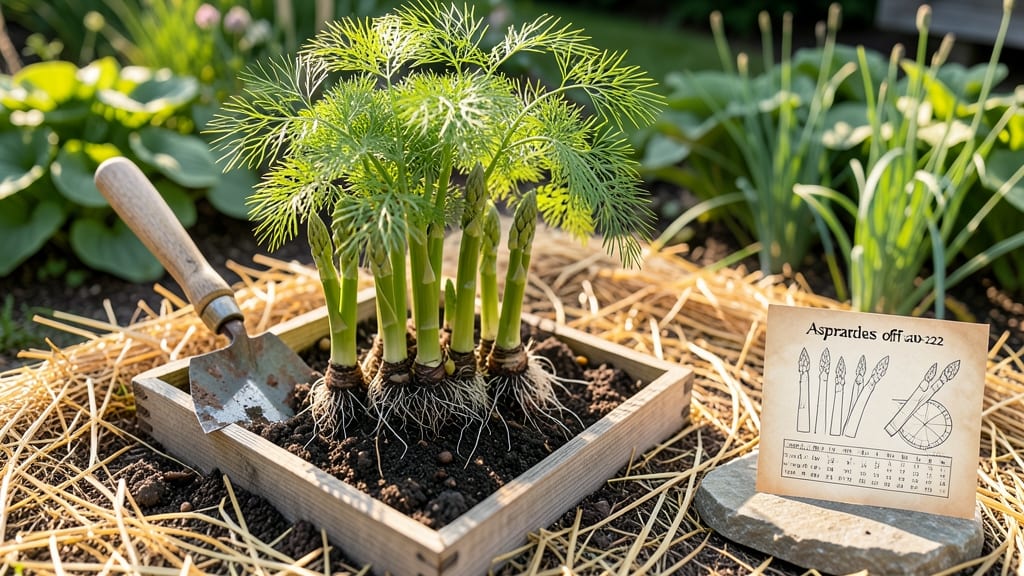
Planting asparagus in Minnesota requires precision—get the timing wrong, and you’ll either risk frost damage or miss the narrow window for strong root growth. The 4a-5b zones demand patience, but with the right approach, you can enjoy years of harvests from a single planting.
Most gardeners in Minnesota plant asparagus crowns in early spring, typically between March and April, when soil temperatures reach at least 45°F. This timing ensures the plants establish roots before summer heat arrives, setting them up for a productive first year.
But here’s the catch: planting too early can leave crowns vulnerable to late frosts, while waiting too long may stunt growth.
I’ll walk you through the exact frost-free timeline for your region, whether you’re in the Twin Cities or northern Minnesota, and share soil prep tips to give your asparagus the best start.
By the end, you’ll know exactly when to dig in—and how to avoid common mistakes that derail even the most eager gardeners.
Ready to grow asparagus that thrives? Let’s break down the steps to turn your Minnesota garden into a spear-producing powerhouse.
Minnesota asparagus planting timeline: frost dates and hardiness zones
Minnesota’s cool climate and short growing season demand precise timing for asparagus success. Plant too early, and frost damage will kill tender crowns; too late, and your crop won’t establish strong roots before winter.
The key is planting 2-3 weeks before your last frost date—typically mid-March to mid-April in most of the state.
Asparagus thrives in USDA Zones 4a-5b, which covers all of Minnesota. However, northern regions (Zone 4a) like Duluth have earlier frost dates (late May) compared to southern areas (Zone 5b) like Rochester (early June). Soil temperature is critical—wait until the ground reaches 45°F+ for planting.
Cold-hardy varieties like ‘Mary Washington’ and ‘Jersey Knight’ are ideal for Minnesota. These varieties tolerate light frosts after planting, but heavy freezes (below 20°F) can still damage crowns. Mulching with straw or leaves in winter adds an extra layer of protection.
In the Twin Cities metro, aim for planting between March 15 and April 15. For northern Minnesota (e.g., Brainerd, International Falls), shift your window to late April to early May.
Southern Minnesota gardeners in Zone 5b can plant as early as mid-March if using row covers for frost protection.
Always check your local frost dates using the MN State Climatology Office or Old Farmer’s Almanac. These resources provide hyper-localized data that’s more accurate than general zone guidelines. For example, Minneapolis averages its last frost on May 10, while Rochester sees frost-free conditions by May 5.
🌱 Minnesota Asparagus Planting Guide by Region
| Region | USDA Zone | Last Frost Date | Planting Window | Soil Temp Requirement |
|---|---|---|---|---|
| Northern MN (Duluth, International Falls) | 4a | Late May | Late April - Early May | 45°F+ |
| Twin Cities Metro (Minneapolis, St. Paul) | 4b | May 10 | March 15 - April 15 | 45°F+ |
| Southern MN (Rochester, Mankato) | 5b | May 5 | Mid-March - Mid-April | 45°F+ |
🌡️ Pro Tip: Use a soil thermometer to confirm ground temps before planting.
If you’re planting asparagus seeds instead of crowns, start them indoors 8-10 weeks before your last frost date. Seeds need warmth (70°F+) to germinate, so use a seedling heat mat if starting early. However, crowns are far easier for Minnesota gardeners—they establish faster and produce harvests 1-2 years sooner.
After planting, mulch heavily with straw or wood chips to insulate roots during Minnesota’s freeze-thaw cycles. This prevents soil heaving, which can expose crowns to cold.
In Zone 4a, add an extra 4-6 inches of mulch for winter protection. Remove mulch in early spring to allow soil to warm.
Remember: Patience is key with asparagus. While you’ll see foliage in the first year, wait until Year 3 for a full harvest. Proper planting timing now ensures decades of harvests—Minnesota’s long-lived asparagus beds are legendary among gardeners! 🌱
How to prepare asparagus crowns for Minnesota’s short growing season
Preparing asparagus crowns properly is the key to surviving Minnesota’s unpredictable spring frosts and short growing season. Unlike many vegetables, asparagus thrives when planted early, but the crowns need special care to establish strong roots before winter.
I’ve learned the hard way—skipping soil prep or rushing planting leads to weak plants that struggle to produce spears.
Start by selecting cold-hardy varieties like ‘Mary Washington’ or ‘Jersey Knight,’ which perform best in Minnesota’s USDA zones 4a-5b. These varieties tolerate frost better than others, giving them an edge in our climate.
Soak the crowns in lukewarm water for 2-4 hours before planting to encourage root growth and remove any dirt or debris from storage.
Your soil must be well-draining and nutrient-rich—asparagus hates soggy roots. Work in 2-3 inches of compost and a handful of sand or perlite to improve drainage, especially if your soil is heavy clay.
A soil test is worth the investment; aim for a pH between 6.5 and 7.5. If your soil is too acidic, add lime to adjust it before planting.
| Prep Step | Action | Why It Matters |
|---|---|---|
| Soak Crowns | 2-4 hours in lukewarm water | Stimulates root growth and removes storage debris |
| Soil Amendment | Compost + sand/perlite | Improves drainage and fertility for root health |
| pH Adjustment | Test and amend to 6.5-7.5 | Ensures nutrient availability for strong growth |
| Planting Depth | 6-8 inches deep, roots down | Prevents crown rot and encourages deep root systems |
| Spacing | 12-18 inches apart, rows 3-4 feet apart | Allows airflow and reduces disease risk |
When planting, dig a trench 6-8 inches deep—this depth mimics the plant’s natural growth pattern and protects the crown from winter freezes. Place the crowns with roots facing down and cover them with soil, leaving the tips exposed.
Space plants 12-18 inches apart in rows that are 3-4 feet apart to allow for future growth and easy harvesting.
After planting, water deeply but gently to settle the soil without disturbing the crowns. Mulch with 2-3 inches of straw or wood chips to retain moisture and insulate the roots during Minnesota’s late frosts.
Avoid heavy mulch, which can smother the plants. In the first year, resist the urge to harvest spears—let the plant focus on building a strong root system for future yields.
With these steps, your asparagus will establish a robust root system before winter, setting you up for years of abundant harvests. Patience is key—first-year spears are minimal, but by year three, you’ll reap the rewards of your early prep work. Happy planting! 🌱