
Plants
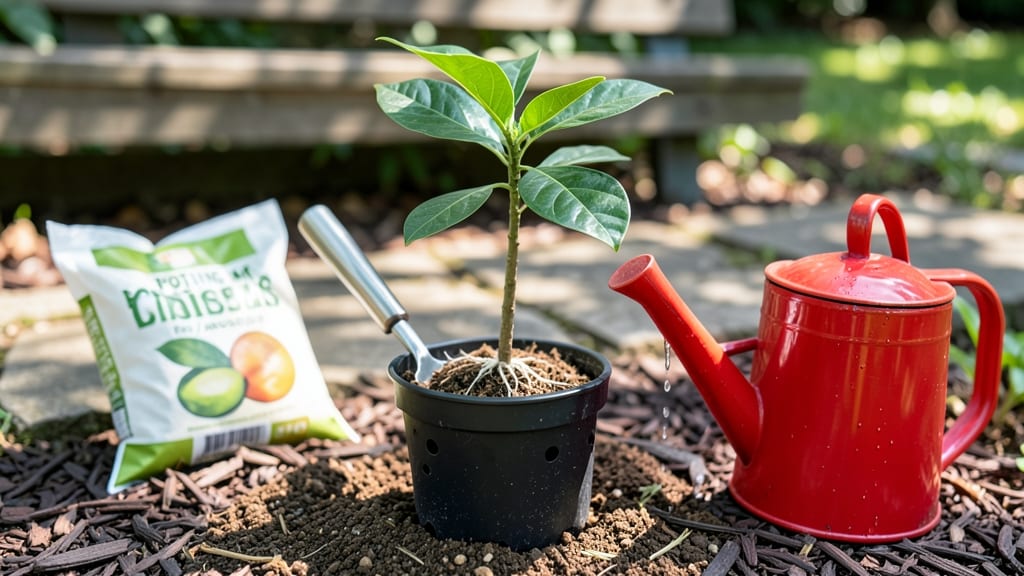
Timing when to plant avocado in the soil just right can mean the difference between a thriving tree and one that struggles to survive. Unlike hardy plants that tolerate cooler temperatures, avocados demand warmth—both in the air and in the soil—before they’ll even consider taking root.
If you’re in USDA Zone 6 (or similar frost-prone areas), planting too early could spell disaster for your sapling. The key is waiting until after the last frost—typically April or May—when soil temperatures consistently stay above 60°F.
But here’s the catch: even in warmer zones, rushing the process can lead to poor establishment, stunted growth, or worse.
I’ve seen firsthand how a little extra prep—like testing your soil’s drainage or choosing the right container—can turn a risky planting into a foolproof success.
Whether you’re starting with a seed or a nursery tree, the right timing and soil conditions set the stage for a tree that’ll reward you with fruit for years to come.
Ready to avoid common mistakes and give your avocado the best possible start? Let’s break down exactly when, where, and how to plant for maximum growth—no guesswork required.
Best planting times by USDA hardiness zones: avoid frost and optimize growth
Avocado trees (Persea americana) are tropical divas—they hate frost and thrive only in USDA zones 9-11. But even within these zones, timing matters. Planting too early risks cold damage, while waiting too long delays root establishment.
The ideal window depends on your microclimate, soil temperature, and whether you're planting seeds or nursery trees.
For most frost-free regions, aim to plant avocados in late spring (after April 15) through early summer. This gives young roots time to establish before summer heat peaks.
In coastal areas (like California), you can plant as early as March, while inland zones may need to wait until May.
Here’s the golden rule: Wait until the soil temperature consistently stays above 60°F (15°C). Cold soil slows root growth and makes trees vulnerable to root rot. Use a soil thermometer to check—plant only when temps are stable.
🌱Pro Tip: If you’re in Zone 8 or cooler, grow avocados in containers and bring them indoors during winter. This extends your growing season dramatically.
If you’re planting avocado pits (seeds), timing shifts slightly. Pits take 8–12 weeks to germinate and need consistent warmth. Start them indoors in late winter (February) so they’re ready to transplant outdoors by May.
Seedlings are delicate—wait until nighttime temps stay above 55°F (13°C) before moving them outside.
For nursery-grown trees, the window is tighter. These trees are pruned for transplanting and need immediate water access. Plant them in early morning to reduce transplant shock, and mulch heavily to retain moisture.
Avoid planting during summer heatwaves—even in Zone 10, temps above 95°F (35°C) can stress young roots.
🌡️Watch Out: Microclimates matter! A south-facing slope may be 10°F warmer than your yard’s average. Use a minimum thermometer to track nighttime lows—avocados cannot tolerate frost, even briefly.
In summary, the perfect planting time balances soil warmth, frost risk, and seasonal stress. For most gardeners, late spring (after April 15) is the safest bet. But if you’re in a cooler zone, containers are your best friend—just be prepared for winter care.
Soil preparation secrets: pH, drainage, and amendments for avocado success
Avocados hate soggy roots—poor drainage is their #1 enemy. Before planting, test your soil’s drainage rate by digging a 12-inch hole, filling it with water, and timing how long it takes to drain. If it takes more than 6 hours, amend the soil immediately.
Avocados thrive in well-aerated, slightly acidic soil with a pH between 6.0 and 7.0. Use a soil test kit to check—most garden centers sell them for under $10.
If your soil is clay-heavy or compacted, mix in organic matter like compost or aged manure to improve structure. For sandy soils, blend in 20% perlite or coarse sand to retain moisture without suffocating roots.
A 3-inch layer of mulch around the base helps regulate soil temperature and reduce evaporation, but keep it 6 inches away from the trunk to prevent rot.
Avoid these soil sins that kill avocado trees:
- Overwatering: Avocados drown in waterlogged soil. Yellowing leaves? You’re likely overdoing it.
- Compacted soil: Roots need oxygen. Till in compost or use a garden fork to loosen the top 12 inches.
- Wrong pH: Below 5.5 or above 7.5? Amend with lime (to raise pH) or sulfur (to lower pH).
🌱 Pro Tip: Test soil drainage before planting—save yourself months of stress!
For container-grown avocados, use a fast-draining potting mix blended with 30% perlite or pumice. Avoid generic garden soil—it compacts and traps moisture. Add a 1-inch layer of gravel at the bottom of pots to create drainage pathways.
If repotting, choose a container 2-3 inches larger than the current root ball to prevent root circling.
Avocados also benefit from a slow-release fertilizer mixed into the planting hole. Use a balanced 6-6-6 NPK blend for young trees or a high-potassium (8-3-9) formula for mature trees.
Work the fertilizer into the top 6 inches of soil around the roots, but avoid direct contact with the trunk. Over-fertilizing burns roots—less is more with avocados!
One final secret: Warm soil speeds germination and root growth. If planting in early spring, use black plastic mulch or a soil warming mat to raise temperatures to 60°F or higher.
Cold soil slows root development, making young trees vulnerable to stress. Monitor soil temps with a soil thermometer—aim for 65-75°F for optimal growth.
With the right soil prep, your avocado will establish roots 3x faster and resist diseases like root rot. Start with drainage, balance pH, and feed lightly—your tree will thank you with lush foliage and future fruit! 🌿