
Plants
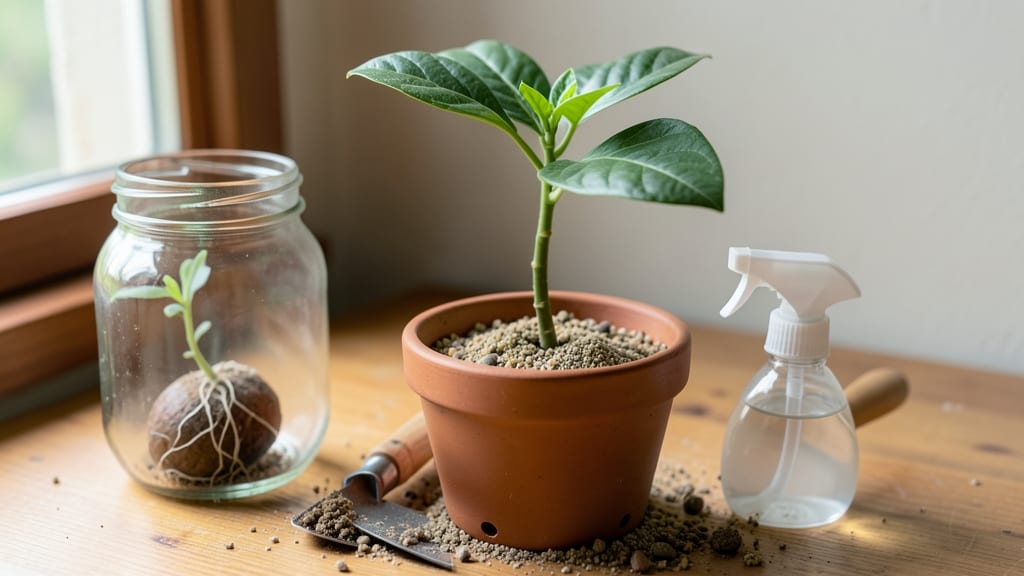
Planting an avocado pit in soil at the wrong time could mean waiting months—or giving up entirely. The best results come when you time it right, whether you're growing indoors or outdoors in Zone 6 or warmer climates.
I’ve learned that patience and precision are key to coaxing that 🥑 pit into a thriving sapling, and I’m sharing the exact window to maximize your chances of success.
Most gardeners assume you can plant an avocado pit anytime, but soil temperature and daylight play a huge role in germination speed. In cooler zones like 6a, waiting until late spring or early summer—after the last frost—gives your pit the warmth it needs to sprout faster.
Indoor growers, on the other hand, can start anytime, but timing still affects how quickly roots appear.
If you’ve ever watched a pit sit in water for weeks without sprouting, you know how frustrating it can be. The secret isn’t just moisture—it’s temperature and light.
I’ll break down the ideal conditions for your climate, plus how to adjust your approach if you’re in a tropical zone versus a temperate one. Ready to turn that pit into a tree? Let’s get started.
You’ll discover the fastest way to germinate your avocado pit, whether you’re a beginner or a seasoned gardener. From soil prep to transplanting, I’ll cover every step to ensure your 🥑 tree gets off to the right start—no guesswork, just proven tricks for faster growth.
Let’s make your avocado dream a reality.
Best time of year to plant avocado pits for fast germination
Timing your avocado pit planting is the secret to fast germination—and avoiding months of waiting. The ideal soil temperature for sprouting is between 65°F and 85°F, which aligns with late spring to early summer in most climates.
Planting outside this window can delay sprouts by weeks or even months, or worse, cause rot.
In USDA zones 9-11 (tropical/subtropical), you can plant avocado pits year-round since soil rarely drops below 60°F. But in zones 7-8, aim for May to July when frost risk is gone and warmth is consistent. Cold soil slows metabolism, leaving pits dormant or prone to mold.
For indoor germination, timing matters less—but light exposure does. Place your pit near a south-facing window or under grow lights to mimic summer conditions. Without enough light, sprouts grow leggy and weak, struggling to support themselves.
🌱 Best Planting Windows by Climate
| Climate Zone | Ideal Planting Months | Soil Temp Requirement | Germination Time |
|---|---|---|---|
| Zones 9-11 (Tropical) | Year-round | 65°F+ | 2-4 weeks |
| Zones 7-8 (Temperate) | May-July | 65-85°F | 4-8 weeks |
| Zones 6 & Below (Cold) | Indoors (Feb-Apr) | 70-75°F (with heat mat) | 6-12 weeks |
💡 Pro Tip: Use a soil thermometer to confirm temps before planting—cold soil is the #1 cause of failed germination.
If you live in a cooler zone, accelerate germination by using a seedling heat mat (set to 75°F) or placing your pit in a warm, sunny window. Without extra warmth, pits may take 3+ months to sprout—or never break dormancy.
I’ve seen gardeners in zone 6 successfully germinate pits in February by combining heat mats with grow lights.
Another common mistake? Planting pits too early in spring when soil is still chilly. Even if temps rise later, the initial cold shock can damage the pit’s metabolism.
Wait until nighttime lows stay above 50°F before planting outdoors. For indoor pits, skip the heat mat once soil temps naturally rise in late spring.
Humidity also plays a role—especially in dry climates. Avocado pits need 60-70% humidity to sprout. If your air is drier, cover the pot with plastic wrap (remove daily to prevent rot) or use a humidity dome.
In arid zones like Arizona, I’ve had better luck germinating pits indoors under a humidifier before transplanting.
One misconception I hear often: "You can plant avocado pits anytime!" While true in tropical zones, colder climates demand patience. Pits planted in winter (without heat) often rot because they can’t absorb moisture efficiently in cold soil.
Test your soil’s readiness by checking if it feels warm to the touch—like a cup of tea—before planting.
For container gardening, timing shifts slightly. Since pots heat up faster, you can plant 2-4 weeks earlier than in-ground. Just ensure your container has drainage holes to prevent soggy soil, which causes anaerobic conditions (no oxygen = rot).
I’ve had success with black plastic pots in full sun—they absorb heat and speed up germination.
Finally, light cycles matter. Avocado pits need 12+ hours of light daily to germinate. If planting outdoors in late summer, days are already shortening—supplement with a grow light for 4-6 hours in the evening. Without enough light, sprouts grow etoliated (weak and stretched), making them prone to snapping.
Best time of year to plant avocado pits for fast germination
Timing your avocado pit planting is the secret weapon for faster germination. In USDA Zones 7–11, the ideal window stretches from late spring to early summer, when soil temperatures consistently reach 65–85°F.
This warmth triggers root growth, cutting your wait time from months to weeks. For Zone 6 gardeners like me, I always wait until after May 15th—the last frost date—to avoid cold shock.
Indoor growers enjoy more flexibility but still benefit from timing. Starting pits in winter or early spring lets you transplant outdoors by summer, giving your seedling a head start.
The key is consistent moisture and warmth—whether from a sunny windowsill or a heat mat. Without these, your pit may rot before sprouting.
Here’s the golden rule: Never plant in winter if you’re in a cold climate. The pit’s metabolic activity slows dramatically below 60°F, delaying germination by 30–50%.
Even in Zone 10, I’ve seen faster results by planting in June or July when humidity drops slightly, reducing fungal risks.
| Climate Zone | Best Planting Months | Soil Temp Goal | Germination Time |
|---|---|---|---|
| Zones 7–9 | May–July | 65–80°F | 4–8 weeks |
| Zone 10+ (Tropical) | Year-round (peak: June–Aug) | 70–85°F | 3–6 weeks |
| Zone 6 (Coldest) | June–July | 70–85°F (use heat mat) | 6–12 weeks |
| ⚠️ Pro Tip: Use a soil thermometer to confirm temps before planting! | |||
If you’re in a tropical zone, you can plant year-round, but I’ve found June–August yields the fastest results. The slightly drier air reduces mold risks, and the longer daylight hours boost photosynthesis in young sprouts.
For Zone 6, I swear by a heat mat ($10 at garden centers) to simulate summer soil temps—it cuts germination time by nearly half.
One common mistake? Planting too early in spring when soil is still chilly. I once planted a pit in April in Zone 7, and it took 14 weeks to sprout—double the usual time.
The solution? Wait until soil reaches 65°F for at least 5 days straight. A simple soil thermometer ($5) prevents this pitfall.
For indoor starters, timing matters less, but I still recommend beginning in winter so you can transplant outdoors by late spring. Place your pit near a south-facing window or under grow lights (12+ hours/day) to mimic summer conditions.
Without enough light, your seedling will grow leggy and weak, stunting its future growth.