
Plants
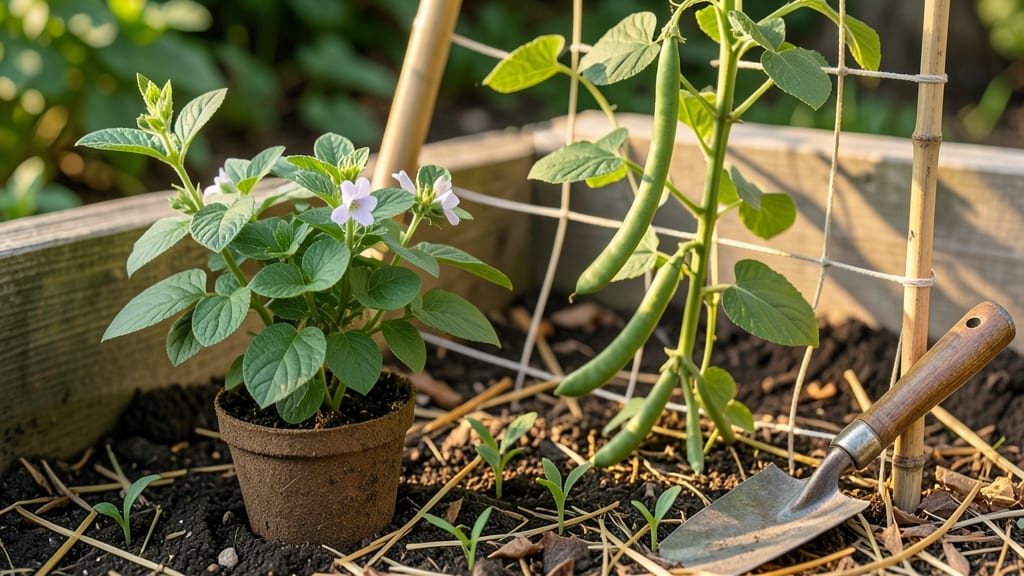
When to plant beans in Georgia just right could mean the difference between a bumper crop and a disappointing harvest. With the state's 7b-8b climate zones, getting the planting window perfect ensures fast germination and healthy growth—but one wrong move risks frost damage or stunted plants.
Most gardeners in Georgia know spring and fall are the prime seasons, but did you know March 15 marks the ideal start date after the last frost? That's when soil temperatures hit the sweet spot of 60°F+ for those eager little seeds to pop.
Yet, choosing between bush and pole varieties changes everything about when you should plant.
What if I told you there's a 3-step process to guarantee faster germination? From pre-soaking seeds to mulching techniques that keep roots cool in Georgia's heat, these pro tips will have your beans sprouting in record time. Let's break down exactly when and how to plant for maximum success.
Whether you're a first-time gardener or a seasoned green thumb, mastering these timing secrets will transform your bean harvest. We'll cover everything from coastal Georgia's longer growing season to Piedmont's earlier frost dates—so you can plant with confidence and enjoy fresh pods from June through August.
Best planting times for beans by Georgia heat zones
Georgia’s USDA Zones 7b-8b offer two ideal windows for planting beans: spring and fall. The key is avoiding frost while ensuring soil temperatures stay above 50°F for germination. In most of Georgia, the last frost typically occurs around March 15, signaling it’s time to start planting.
For spring plantings, aim to sow seeds between March 15 and April 30. This window ensures your beans mature before summer’s intense heat arrives. In fall, plant between September 1 and October 15 to allow pods to ripen before the first frost hits around November 15.
Soil temperature is critical—beans need at least 60°F to sprout. Use a soil thermometer to check before planting. In coastal Georgia (Zone 8b), you can plant slightly earlier, while northern Georgia (Zone 7b) may need to wait until late March or early April to avoid frost damage.
Here’s how to align your planting with Georgia’s climate zones for maximum success:
| Zone & Region | Spring Planting Window | Fall Planting Window | Soil Temp Requirement | Key Tip |
|---|---|---|---|---|
| Zone 7b (North GA) | April 1–30 | September 15–October 10 | 60°F+ | Use row covers for early spring |
| Zone 8a (Central GA) | March 20–April 15 | September 1–15 | 55°F+ | Plant early varieties for heat tolerance |
| Zone 8b (Coastal GA) | March 1–April 1 | August 15–September 30 | 50°F+ | Extend season with shade cloth |
If you’re in Zone 7b, focus on fast-maturing varieties like ‘Contender’ or ‘Blue Lake’ to avoid summer’s heat stress. In Zone 8b, you can experiment with longer-season varieties like ‘Purple Hull’ or ‘Cowpea’ since the growing season extends later into fall.
For container gardening, start seeds indoors 4–6 weeks before your last frost date. Use biodegradable pots to transplant seedlings directly into the garden, minimizing root disturbance. This method works well for pole beans, which need vertical support and thrive in limited space.
Always test your soil’s pH before planting—beans prefer a slightly acidic to neutral range (6.0–7.0). Amend with compost or lime if needed. A soil test kit from your local UGA Extension office provides precise recommendations for your area.
Remember: Succession planting every 2 weeks in spring and fall ensures a continuous harvest. This works especially well for bush beans, which mature quickly (50–60 days). Save seeds from your best-performing plants for next year’s garden!
🌱
Best planting times for beans by Georgia heat zones
Georgia’s USDA Zones 7b-8b give us a long growing season, but planting beans at the wrong time can mean the difference between a thriving harvest and wasted seeds.
Most gardeners focus on March 15 to April 30 for spring plantings, but coastal areas like Savannah can start earlier, while Piedmont regions should wait until mid-April to avoid frost risks.
The key is soil temperature. Beans need at least 60°F soil to germinate properly—any cooler, and your seeds will rot in the ground. Use a soil thermometer to check before planting, especially in Zone 7b areas where nights can still dip below 50°F in early spring.
For fall plantings, aim for September 1 to October 15 to give your beans time to mature before the first frost (typically November 15 in most of Georgia). Coastal areas may push this window slightly later, but don’t risk it—beans won’t tolerate frost at any stage.
🌱 Georgia Bean Planting Timeline by Zone
| Zone | Spring Planting Window | Fall Planting Window | Key Consideration |
|---|---|---|---|
| 7b (Piedmont) | April 1-30 | September 15-October 1 | Wait for soil to reach 60°F+ |
| 8a (Coastal) | March 15-April 15 | September 1-October 15 | Longer growing season—start earlier |
| 8b (South GA) | March 1-April 30 | September 1-November 1 | Extreme heat tolerance—extend windows |
🌡️ Pro Tip: Use black plastic mulch to warm soil faster in cooler zones.
If you’re planting pole beans, which take longer to mature, start them 2-3 weeks earlier than bush beans. They’ll need that extra time to climb and produce pods before Georgia’s summer heat peaks.
For bush beans, which mature faster (50-60 days), you can stretch your planting window slightly later in spring or earlier in fall.
Don’t forget about succession planting! In Georgia’s heat, beans can bolt (flower too quickly) if planted all at once. Space your plantings 2 weeks apart from March through May to ensure a steady harvest.
This works especially well for bush beans, which are perfect for container gardening if space is limited.
For gardeners in Zone 8b, where summers are intense, consider shade cloth during the hottest months to protect plants from wilting. Even a 30% shade cloth can make a difference when temperatures exceed 90°F. Pair this with morning watering to keep roots cool and encourage faster germination.