
Plants
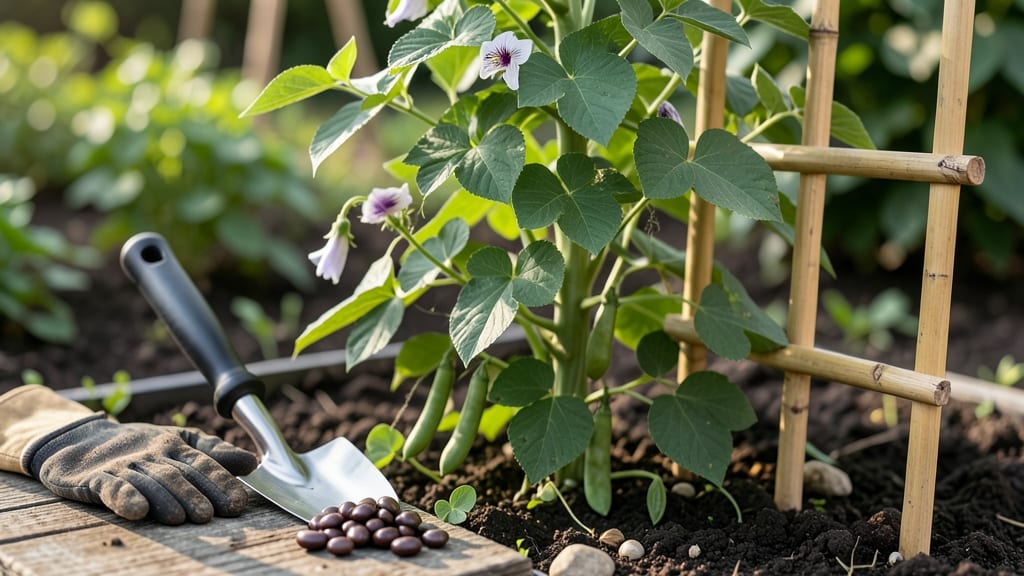
Timing your bean planting in Utah can mean the difference between a thriving garden and a sad, wilted 🌱 crop—especially when late springs and unpredictable frost dates come into play.
If you've ever watched your hard work vanish overnight because of an unexpected chill, you know how frustrating it can be. The good news? With the right strategies, you can beat the odds and enjoy fresh beans from summer through fall, even in Utah's high desert climate.
Most gardeners assume beans need warm soil to sprout, but some cold-hardy varieties actually thrive when planted as early as mid-April in warmer southern regions like St. George, while northern areas like Logan should wait until late May when soil temperatures hit 60°F.
The key isn't just about the calendar—it's about understanding your microclimate and choosing the right bean types for your zone.
In this guide, I'll break down exactly when to plant beans in Utah based on your location, which varieties handle our tricky springs best, and how to stretch your harvest season with smart planting techniques.
Whether you're a first-time gardener or a seasoned pro, these insights will help you grow more beans with less guesswork.
Let's dive into the details so you can start planting with confidence—and maybe even outpace your neighbors' harvests this year!
Best planting times for beans in Utah’s microclimates
Utah’s diverse geography—from the high-altitude valleys of Cache County to the hot deserts of St. George—means one planting time doesn’t fit all. Beans thrive when soil temperatures hit 60°F (15°C), but Utah’s last frost dates vary wildly.
In Salt Lake City, average last frost is April 15–May 1, while St. George sees frost-free soil by March 15. High-altitude areas like Park City may wait until May 15.
For most of Utah, late April to early May is ideal for bush beans, while pole beans (which grow slower) can start 2–3 weeks earlier under row covers. The key is soil temperature, not calendar dates—use a soil thermometer to confirm readiness.
If planting in high-altitude zones (7,000+ ft), wait until after May 15 to avoid late frosts.
Southern Utah’s lower elevations (3,000–5,000 ft), like St. George or Cedar City, can plant 2–4 weeks earlier than northern regions. These areas benefit from warmer microclimates, allowing for two harvests per year—spring and fall.
Northern Utah’s colder microclimates (e.g., Logan or Ogden) may only support one spring planting without risking frost damage.
🌱
| Utah Region | Avg. Last Frost | Optimal Planting Window | Soil Temp Threshold | Notes |
|---|---|---|---|---|
| Salt Lake Valley (Salt Lake City) | April 15–May 1 | Late April–early May | 60°F (15°C) | Use row covers for early starts |
| Cache Valley (Logan) | May 1–May 15 | Mid-May | 60°F (15°C) | High-altitude; wait for warm soil |
| Southern Utah (St. George) | March 15–April 1 | Late March–early April | 55°F (13°C) | Can plant twice: spring + fall |
| Park City (High Altitude) | May 15–June 1 | Late May–early June | 65°F (18°C) | Short season; choose fast-maturing varieties |
If you’re in a transition zone (e.g., Provo or Heber Valley), err on the side of planting later. These areas experience unpredictable late frosts even after official last-frost dates.
A simple trick: plant a few seeds every 2 weeks from late April to early June to stagger your harvest and reduce frost risk.
For pole beans, which take longer to mature, start seeds indoors 4–6 weeks before your region’s last frost date.
Transplant seedlings when soil is warm and workable (press your finger in—if it feels cool, wait). Bush beans, on the other hand, can be direct-sown once soil reaches 60°F (15°C), as they germinate quickly and tolerate cooler temps better.
Utah’s dry climate also affects planting success. Before sowing, amend soil with compost to retain moisture, especially in sandy soils common in southern Utah. Mulch with straw or grass clippings to keep roots cool and conserve water—a critical step for drought-prone areas like Washington County.
💧
Pro tip: Monitor local weather patterns in the weeks leading up to planting. If a cold snap is forecasted, delay planting or use frost blankets to protect young seedlings. In northern Utah, where nights remain chilly into June, consider black plastic mulch to warm the soil faster. This method
Best planting times for beans in Utah’s microclimates
Utah’s diverse geography means planting times vary dramatically from the St. George desert to the Cache Valley highlands. In southern Utah (USDA Zones 7-8), where winters are milder, you can start planting beans as early as mid-April once soil temperatures reach 55°F.
Meanwhile, in northern Utah (Zones 4-6), like Logan or Park City, wait until late May to early June when the ground warms to 60°F—cold soil slows germination and invites rot.
For most of Utah, the optimal planting window falls between May 15 and June 15, aligning with the last average frost dates. However, high-altitude areas (above 7,000 feet) may need to push planting to June 1 or later.
Use a soil thermometer to confirm readiness—beans need 60°F+ soil to thrive.
Here’s a quick reference for Utah’s key regions:
| Region | Last Frost Date | Ideal Planting Window | Soil Temp Threshold |
|---|---|---|---|
| Southern Utah (St. George) | March 15 | Mid-April to May 15 | 55°F |
| Salt Lake Valley | April 15 | May 1 to June 1 | 60°F |
| Cache Valley (Logan) | May 15 | Late May to June 15 | 60°F |
| High Altitude (7,000+ ft) | June 1 | June 15 to July 1 | 65°F |
Microclimates play a huge role, too. If your garden sits in a sunny, sheltered spot (like a south-facing slope), you can plant 2 weeks earlier than the average.
Conversely, cold air pockets in valleys may require delaying planting by 10–14 days. Always scout your garden for late frosts—even in June!
For a fall harvest, aim to plant 90 days before your region’s first frost. In southern Utah, this could be as late as August 15, while northern areas should plant by July 15. Use fast-maturing varieties like ‘Blue Lake’ (55 days) to maximize your window.
Pro tip: If you’re unsure about frost dates, check the National Weather Service or local Utah State University Extension for updated forecasts. A little extra planning now means more beans in your basket later!