
Plants
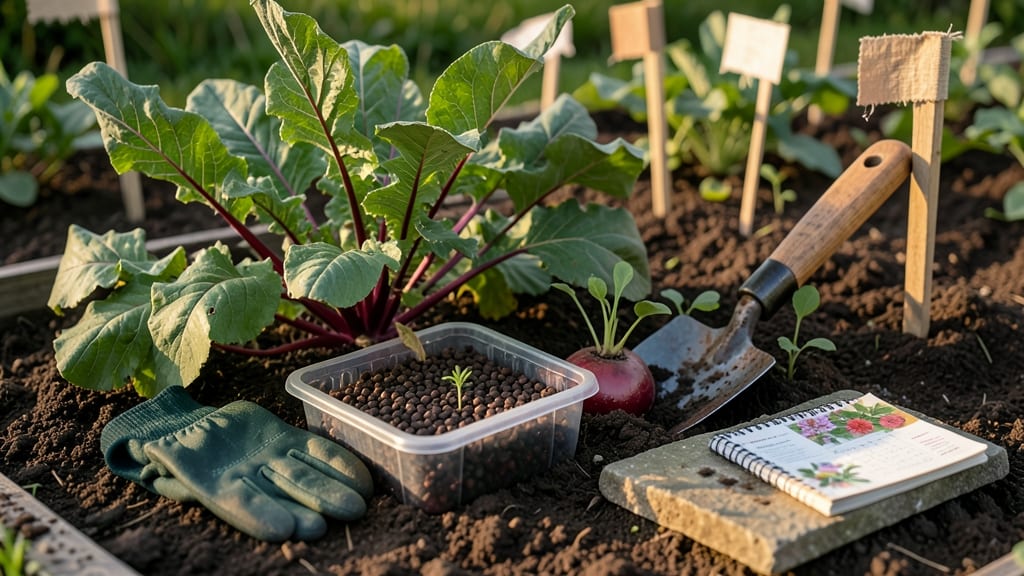
Timing your beet planting in Minnesota can mean the difference between a bountiful harvest and a sad, woody mess—especially when frost sneaks up on you. The key is knowing exactly when to sow those seeds for crisp, sweet roots that thrive in our 4a-5a climate.
Whether you're a first-time gardener or a seasoned green thumb, getting the planting schedule right ensures you'll enjoy fresh beets from late June through October.
Most Minnesota gardeners focus on two perfect windows: mid-April to early June for spring beets and late July to mid-August for fall crops. But here's the catch—soil temperature matters just as much as calendar dates.
Planting too early when the ground is still chilly can stunt growth, while waiting too long risks bolting before you can enjoy your harvest. I'll walk you through the exact frost-free timeline tailored to your region, so you never miss a beat.
Why does this matter? Because beets are one of those easy-to-grow vegetables that reward patience with tender, flavorful roots. With the right timing, you can stretch your harvest from summer straight into fall—no need to buy store-bought beets when you've got your own homegrown 🍠 stash.
Let's dive into the best ways to sync your planting with Minnesota's unpredictable weather.
You'll learn how to read frost dates, adjust for your specific zone, and even extend your growing season with smart succession planting. By the end, you'll have a foolproof plan to grow beets that are crisp, sweet, and ready to harvest at their peak.
Let's get those seeds in the ground when they'll thrive!
Minnesota beet planting timeline by region: frost dates & best months
Minnesota’s diverse climate zones mean your beet planting schedule should match your region’s last frost date. Northern Minnesota’s shorter growing season (USDA Zone 4a) demands earlier starts, while Southern Minnesota (Zone 5a) offers more flexibility. Let’s break down the ideal planting windows for each zone to maximize your harvest.
For spring planting, aim to sow seeds 4-6 weeks before your last frost date. In Northern Minnesota, this typically means late April to early May, while Southern Minnesota gardeners can start as early as mid-April.
The key is ensuring soil temperatures stay consistently above 40°F—beets won’t sprout in cold soil.
Beets thrive in cooler temperatures (60-75°F), so late summer planting is also ideal. For fall harvests, sow seeds 8-10 weeks before your first frost. In Northern Minnesota, this window closes by mid-August, while Southern Minnesota can extend planting until early September.
🌱 Minnesota Beet Planting Guide by Region
| Region | Last Frost Date | Spring Planting Window | Fall Planting Window | Harvest Time |
|---|---|---|---|---|
| Northern MN (Zone 4a) | Mid-May | Late April–Early May | Late July–Mid-August | Late June–August, October |
| Central MN (Zone 4b) | Early May | Early April–Mid-May | Early August–Late August | Late June–September, October |
| Southern MN (Zone 5a) | Mid-May | Mid-April–Early June | Late July–Early September | Late June–September, October–November |
⏰ Pro Tip: Use row covers to extend spring planting by 2-3 weeks in colder zones.
If you’re unsure about your last frost date, check the Minnesota State Climatology Office or use a local weather app for real-time updates. Soil temperature is just as critical as air temperature—use a soil thermometer to confirm it’s above 50°F before planting.
For successive harvests, plant new seeds every 2-3 weeks until mid-June. This ensures a steady supply of tender beets throughout the summer. In Southern Minnesota, you can even squeeze in a late-summer crop of cold-hardy varieties like ‘Detroit Dark Red’ for a fall harvest.
One common mistake is planting too deeply or too shallowly. Beets need to be sown ½ inch deep—any deeper, and they won’t sprout; too shallow, and they dry out. Use a seed starter kit or mark your rows with a stake to maintain consistency.
Minnesota’s humid summers can also stress beets, causing them to bolt prematurely. To prevent this, keep soil moist but not soggy and mulch with straw or grass clippings to retain moisture. Succession planting in partial shade during peak summer heat can also help.
Remember, beets store well in the ground—if frost threatens before you harvest, simply leave them in the soil and cover with straw mulch. They’ll sweeten naturally and stay crisp until you’re ready to dig. This is a Minnesota gardener’s secret weapon for extending your harvest!
How to extend your beet harvest: succession planting & fall strategies
Minnesota’s short growing season means you can’t just plant beets once and expect a harvest all summer. The secret to continuous beet production is succession planting—sowing seeds every 2-3 weeks for a steady supply.
This works especially well for baby beets, which mature faster and stay tender even in late summer’s heat.
Start your first planting in mid-April as soon as soil temperatures hit 50°F. Then, keep sowing every 2-3 weeks until early July.
This ensures you’ll have fresh beets ready to harvest from late June through August, avoiding the woody texture that comes from heat stress in late-summer plantings.
For a fall harvest, your last planting window opens in late July. Choose cold-hardy varieties like ‘Detroit Dark Red’ or ‘Golden Beet’, which can tolerate light frosts and mature quickly. Aim to plant by mid-August for a harvest before Minnesota’s first frost, typically around mid-October.
If you’re worried about bolting from heat stress, try planting in partial shade during the hottest months. Mulch heavily with straw or grass clippings to keep soil cool and retain moisture. For fall plantings, use black plastic mulch to warm the soil early and speed up germination.
Don’t forget to harvest regularly—beets left in the ground too long become tough and lose their sweetness. Pull baby beets when they’re 1-2 inches wide for the tenderest texture, or let them grow larger for storage over winter.
With these strategies, you’ll enjoy fresh beets from late spring through early fall!