
Plants
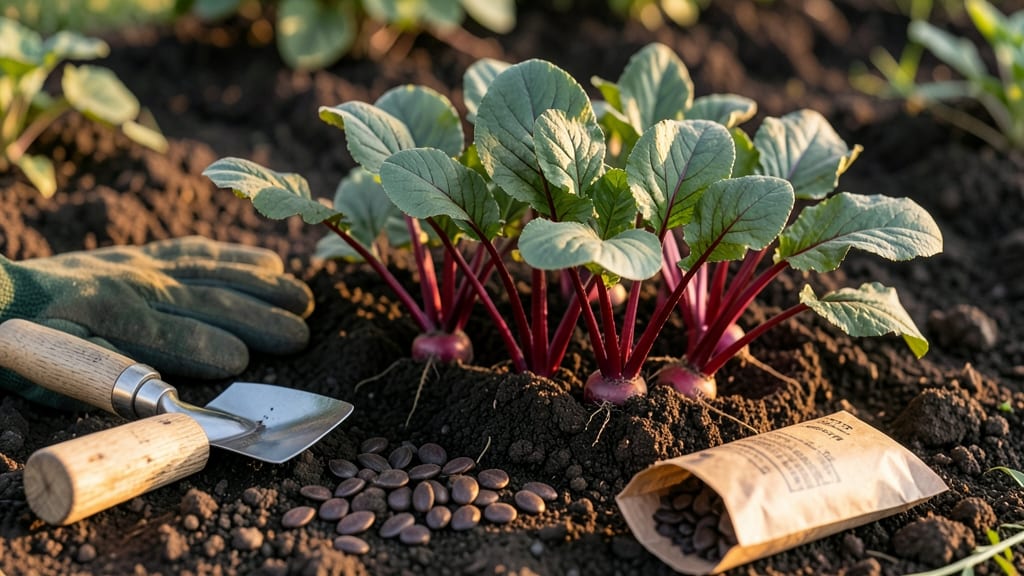
Knowing when to plant beets in Zone 9 is the secret to avoiding bitter, bolted greens and enjoying sweet, tender roots all winter long. Unlike other vegetables, beets thrive in cool weather, making fall and winter your best planting windows—but timing is everything in our mild Zone 9b climate.
If you’ve ever watched your 🍠 beets send up flower stalks before producing a single edible root, you’re not alone. The key is planting 6–8 weeks before your first frost (typically by mid-October) or in early spring when soil temps stay below 75°F.
This ensures steady growth without the heat stress that triggers bolting.
In this guide, I’ll break down the exact months to plant, how to adjust for microclimates, and simple tricks to extend your harvest into June.
Whether you’re a first-time gardener or a seasoned grower, these tips will help you grow beets that are smooth, flavorful, and ready to harvest at the perfect size.
Ready to skip the guesswork? Let’s dive into the ideal planting schedule for Zone 9 beets—and how to keep them from bolting before they’re ready.
Best planting months for beets in Zone 9 to prevent bolting
Beets thrive in cool temperatures and struggle when Zone 9’s summer heat hits—typically after May. The key to success is planting during the fall and winter months when soil temps stay below 75°F and days are shorter.
My best harvests come from October through March, when beets grow slowly but steadily without bolting.
In Zone 9, beets planted in late summer (August-September) face higher bolting risks due to increasing day length and heat. Instead, I focus on two primary windows: early fall for winter harvests and late winter for spring greens.
This strategy ensures I avoid the peak heat stress that triggers premature flowering.
Here’s the exact breakdown of when to plant for optimal results, including soil temperature thresholds and day-length triggers:
| Planting Window | Ideal Soil Temp (°F) | Day-Length Trigger | Harvest Window |
|---|---|---|---|
| Early Fall (Late Sept - Oct) | 60-75°F | 12-14 hours (safe) | December - February |
| Winter (Nov - Jan) | 50-65°F | 10-12 hours (ideal) | February - April |
| Late Winter (Feb - Early March) | 55-70°F | 12-14 hours (watch for bolting) | April - May |
For fall planting, I start seeds 8-10 weeks before the first frost (typically mid-October in Zone 9). This gives beets enough time to mature before winter slows growth.
Use row covers in late fall to protect young plants from unpredictable cold snaps—even Zone 9 can dip below 40°F at night.
If you’re aiming for a spring harvest, plant seeds in late winter (February-March) when soil temps rise above 50°F. This timing aligns with shorter days and cooler temps, reducing bolting risks.
I’ve found that succession planting every 2-3 weeks in these windows ensures a steady supply of fresh beets.
One critical mistake I’ve made is planting too early in fall without mulching. Without protection, soil temps can fluctuate wildly, stressing young seedlings. Always use 2-3 inches of straw mulch to insulate roots and maintain consistent moisture—this is non-negotiable in Zone 9’s variable climate.
For heat-tolerant varieties, I recommend ‘Detroit Dark Red’ or ‘Golden’ beets, which handle slightly warmer soils better than standard types. Even these varieties struggle if soil temps exceed 80°F, so I avoid planting after March 15 unless using shade cloth.
Pro tip: Check your local frost dates—Zone 9’s last frost is often December 15, but microclimates (like coastal areas) may vary. Adjust planting by 1-2 weeks if your area is cooler or warmer than average. Always err on the side of earlier planting to avoid summer heat.
Finally, remember that beet greens tolerate slightly warmer conditions than roots. If you’re desperate for greens in summer, plant ‘Baby Leaf’ varieties in partial shade—they’ll give you 2-3 weeks of harvest before bolting.
Best planting months for beets in Zone 9 to prevent bolting
In Zone 9b, beets grow best when soil temperatures stay between 50°F and 75°F. This means your primary planting window is from mid-October through March, aligning with cooler months.
Planting too early (like September) risks heat stress, while waiting until April may push your harvest into summer’s oppressive heat.
For a fall harvest, sow seeds 6–8 weeks before your average first frost (typically by October 15th). In Zone 9, this often means beets mature by December or January, just in time for winter meals.
If you miss this window, don’t worry—winter planting (November–January) works too, as long as soil temps stay above 40°F.
| Planting Window | Soil Temp Range | Harvest Time | Notes |
|---|---|---|---|
| Mid-October | 50°F–70°F | December–January | Best for fall harvest; avoid bolting |
| November–January | 40°F–65°F | January–March | Winter planting; protect from frost |
| February–March | 55°F–70°F | April–May | Spring harvest; watch for heat stress |
Zone 9’s mild winters mean you can plant beets even in December or January, but monitor soil temps closely. Use a soil thermometer to confirm conditions—beets won’t germinate well below 40°F. If your winters are unusually cold, opt for container growing to move plants to a sheltered spot.
For spring planting, aim for late February or early March to harvest before summer heat sets in. Beets planted in April or later often bolt quickly due to longer daylight hours. If you’re eager for a summer crop, try shade cloth (30–50% coverage) to reduce stress on young plants.
Pro tip: Succession plant every 2 weeks in fall or winter to ensure a steady supply. This works especially well in Zone 9, where mild winters allow for multiple harvests. Just be sure to thin seedlings to 3–4 inches apart to prevent overcrowding, which also triggers bolting.
Remember, bolting is your biggest enemy in Zone 9’s heat. By sticking to these cool-season windows and monitoring soil temps, you’ll grow beets that are sweet, tender, and ready to harvest—not bitter and woody.