Plants
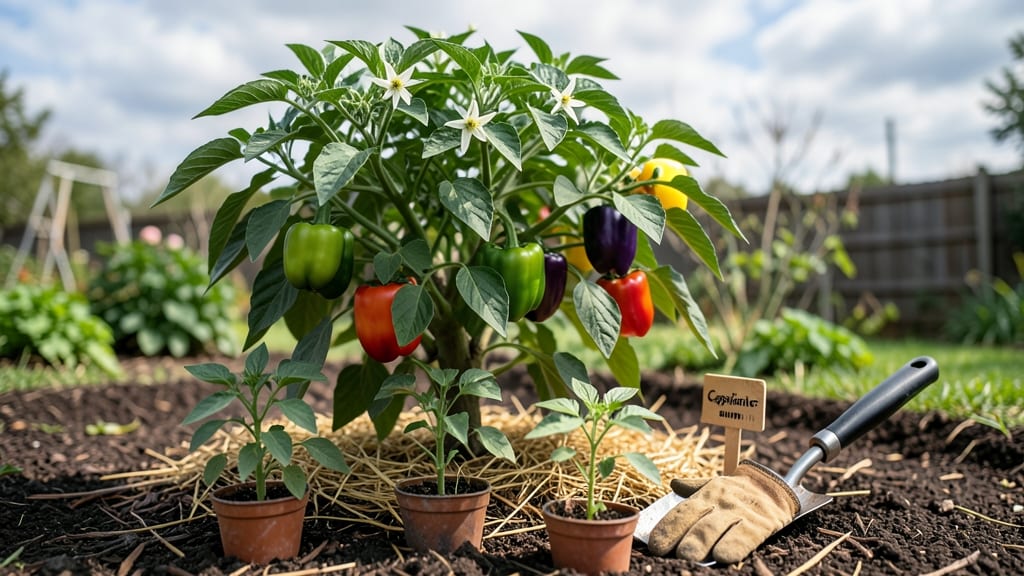
Timing your bell pepper 🌶️ planting in Michigan isn’t just about the calendar—it’s about beating frost while giving your plants enough warm days to thrive.
Get this wrong, and you’ll either lose seedlings to late frosts or miss the growing season entirely, leaving you with store-bought peppers instead of homegrown harvests.
Michigan’s Zone 5b-6b climate means you’ve got a short window—typically late April to mid-May—to transplant seedlings outdoors after the last frost. But here’s the catch: starting indoors 8-10 weeks before your target date gives you a head start, especially if you’re aiming for early harvests in July.
I’ll break down exactly when to plant, how to prep your soil, and what to do if you’re late to the game. Whether you’re a first-time gardener or a veteran with a green thumb, these tips will help you avoid common mistakes and maximize your bell pepper yield.
Ready to turn your Michigan garden into a pepper powerhouse? Let’s dive into the frost-free deadlines and strategies that work—no guesswork required.
Michigan bell pepper planting calendar: exact dates by variety and Zone
Bell peppers are heat-loving plants that need warm soil and frost-free conditions to thrive. In Michigan’s Zone 5b-6b, timing your planting window correctly means the difference between a bountiful harvest and wilted seedlings.
Most varieties take 75-90 days to mature, so starting too late risks stunted growth before the first frost hits in mid-October.
Your best bet is to start seeds indoors 8-10 weeks before the last frost date (typically mid-May in most of Michigan). For direct sowing outdoors, wait until soil temperatures hit at least 60°F and all frost risk has passed—usually late May to early June.
Here’s how to align your planting with Michigan’s climate zones and pepper varieties:
| Variety Type | Days to Maturity | Indoor Start Date (Zone 5b-6b) | Outdoor Transplant Window | Harvest Window |
|---|---|---|---|---|
| Sweet Peppers (e.g., 'Sweet Banana', 'California Wonder') | 75-90 days | March 15 - April 1 | May 15 - June 1 | July 15 - September 15 |
| Hot Peppers (e.g., 'Jalapeño', 'Cayenne') | 60-80 days | March 20 - April 5 | May 20 - June 5 | July 1 - September 10 |
| Hybrid Peppers (e.g., 'Aristotle', 'Carmen') | 65-85 days | March 10 - March 25 | May 10 - May 25 | June 25 - September 5 |
Note: Adjust dates 1-2 weeks earlier for Zone 6b (southern Michigan) and later for Zone 5b (northern Michigan).
For northern Michigan (Zone 5b), consider using row covers or cold frames to extend your growing season by 2-3 weeks. This gives you a buffer if early frosts threaten your plants. I’ve had success with floating row covers in late April to protect seedlings until soil warms up.
If you’re direct sowing outdoors, use black plastic mulch to raise soil temperatures faster. This method can shave off 1-2 weeks of waiting time. Just be sure to remove the mulch in late summer to prevent soil overheating before the first frost.
Pro tip: Mark your calendar for June 15 as the last safe date to transplant bell pepper seedlings in most of Michigan. After this, your plants won’t have enough time to mature before frost. For fall harvests, consider succession planting with fast-maturing varieties like 'Early California Wonder'.
Always harden off seedlings for 7-10 days before transplanting. This means gradually exposing them to outdoor conditions (sun, wind, and cooler temps) to prevent shock. Skip this step, and you risk stunted growth or even plant death.
Remember, soil temperature is just as critical as air temperature. Use a soil thermometer to confirm it’s at least 60°F before planting. Cold soil slows germination and weakens young plants, making them vulnerable to disease and pests.
For container gardening, start your seeds 2-3 weeks earlier than the table suggests. Pots heat up faster, but they also dry out quicker, so monitor moisture closely. Use self-watering containers if possible to maintain consistent soil moisture.
How to extend Michigan’s bell pepper growing season for larger harvests
Michigan’s short growing season can be tough on heat-loving bell peppers 🌶️, but with the right strategies, you can protect early starts and extend harvests well into fall. The key is understanding how to shield young plants from late frosts and maximize warmth for late-season production.
Start by using row covers or floating row covers to protect seedlings planted in late April or early May. These lightweight fabrics trap warmth while allowing sunlight and water through, creating a microclimate that can raise soil temperatures by 5-10°F.
For even more protection, consider a mini greenhouse or cold frame during the riskiest weeks.
Another game-changer is black plastic mulch. Spread it over your planting beds 2-3 weeks before transplanting to warm the soil faster. This helps you plant 1-2 weeks earlier than usual, giving your peppers a head start.
Pair it with drip irrigation to maintain consistent moisture without wetting the leaves, which reduces disease risk.
- 1. Use row covers to protect seedlings from late frosts (up to 28°F tolerance).
- 2. Plant in raised beds with black plastic mulch to warm soil 5-10°F faster.
- 3. Choose early-maturing varieties (e.g., 'Early Cal Wonder' or 'Sweet Banana') that ripen in 60-70 days.
- 4. Succession plant every 2-3 weeks from May to early July for staggered harvests.
- 5. Add companion plants like basil or marigolds to deter pests and improve growth.
For fall harvests, focus on succession planting. Start a second batch of seedlings indoors in late June, then transplant them outdoors in early July. Use heat-tolerant varieties like 'Jupiter' or 'Carmen', which can handle Michigan’s shorter daylight hours better than standard types.
Pair them with reflective mulch to bounce extra sunlight onto the plants.
Don’t forget about companion planting! Pair your bell peppers with basil (which improves flavor and deters pests) or onions (which repel aphids). Avoid planting near fennel or beans, as these can stunt pepper growth. Finally, prune suckers regularly to direct energy toward fruit production rather than foliage.
With these techniques, you can push your bell pepper harvest from July to October—giving you fresh peppers for 3-4 months instead of just 2. Just remember: consistency is key—whether it’s watering, fertilizing, or protecting your plants from Michigan’s unpredictable weather 🌬️.