
Plants
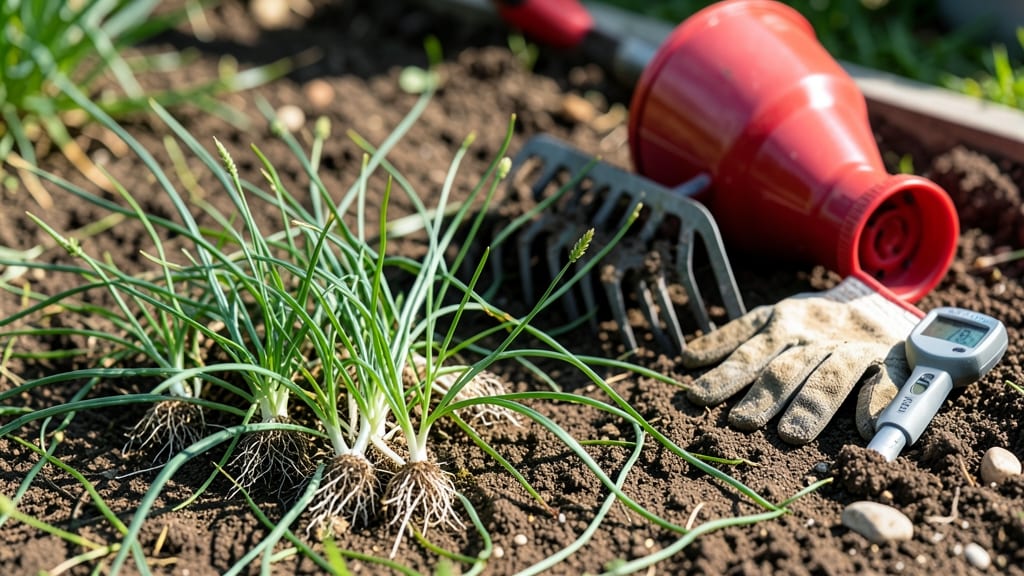
Planting Bermuda grass 🌱 in California at the wrong time can mean the difference between a lush, drought-resistant lawn and a frustrating, slow-growing mess—especially when you're dealing with coastal fog, desert heat, or Central Valley extremes.
I've seen firsthand how a single week too early or late can throw off your entire lawn's growth cycle, leaving it vulnerable to drought or winter chill.
But here's the good news: with California's variable climate zones, there are perfect windows to plant—whether you're in San Diego's mild coastal area or the scorching Inland Empire.
In this guide, I’ll break down the exact month-by-month planting schedule for your specific microclimate, including soil prep tricks to help Bermuda grass take root faster and survive California’s 300+ frost-free days.
Ready to skip the guesswork and get a lawn that thrives all year? Let’s dive into the science-backed timing that works for your corner of the Golden State.
Optimal planting windows for California’s 5 key microclimates (with exact weeks)
California’s diverse climate zones mean your Bermuda grass success depends on timing—plant too early or late, and you risk weak germination or heat stress. Unlike cooler climates, Bermuda thrives when soil temps hit 65°F+, but coastal fog and desert heat create unique windows.
Let’s break down the best weeks to plant for each region, including frost risks and soil prep cues.
For Northern California (USDA Zones 7-9), aim for late April to early June—after the last frost (typically March 15–April 15) and before summer drought peaks. Coastal areas like San Francisco can start 2–3 weeks earlier due to milder nights.
Inland valleys like Sacramento should wait until soil temps exceed 65°F, usually mid-May.
Central Valley (Zones 8-10) offers the broadest window: March 1–May 15. The region’s hot, dry summers demand early planting to establish roots before June heat waves. Test soil temps with a soil thermometer—plant when it’s consistently 70°F+ at 4 inches deep. Avoid planting after May 15 unless using sprigging (plugs) instead of seed.
Bay Area (Zones 9-10) benefits from cooler coastal breezes, allowing a 6-week window: March 15–April 30. The San Francisco fog belt can delay planting until April 15 if nights stay chilly. Prioritize south-facing slopes to capture extra warmth. If planting in May, use shade cloth to protect seedlings from intense afternoon sun.
Southern California (Zones 9-11) splits into two zones: Coastal (LA, San Diego) and Inland (Riverside, Palm Springs). Coastal areas plant March 1–April 15, while inland desert edges (like Coachella Valley) can start as early as February 15 for spring germination. Inland zones also excel with fall planting (August–September) to avoid summer’s 110°F+ soils.
Desert regions (Zones 9-11) like the Mojave and Colorado Desert have the most flexible schedule: February 1–March 15 for spring or August 15–September 30 for fall. Desert Bermudas often use sprigs or sod to bypass seedling vulnerabilities. Never plant in June–August—soil temps can exceed 120°F, killing seeds instantly.
| Region | Best Planting Window | Soil Temp Threshold | Frost Risk | Key Tip |
|---|---|---|---|---|
| Northern California | Late April–Early June | 65°F+ at 4" | Low (March 15–April 15) | Use shade cloth if planting in May |
| Central Valley | March 1–May 15 | 70°F+ at 4" | Moderate (varies by elevation) | Prioritize deep watering to combat drought |
| Bay Area | March 15–April 30 | 60°F+ at 4" | Very Low | Choose south-facing slopes for warmth |
| Southern California (Coastal) | March 1–April 15 | 62°F+ at 4" | None | Avoid planting after April 15 due to heat |
| Southern California (Inland/Desert) | Feb 15–Mar 15 OR Aug 15–Sep 30 | 75°F+ at 4" | None | Use sprigs/sod for summer planting |
If you’re in Southern California’s inland zones, consider fall planting (August–September)—this lets Bermuda establish roots before winter rains. The Coachella Valley sees ideal fall soil temps (70–80°F) during these months, reducing stress. For coastal areas, stick to spring to avoid winter fungal risks from persistent moisture.
Pro tip: Use a soil thermometer to confirm readiness—Bermuda seeds won’t sprout below 65°F. In desert regions, morning soil temps can spike to 90°F+ by late spring, so plant before 1
How to prepare your soil and seed for maximum Bermuda grass success
Preparing your soil and seed correctly is the foundation for a thriving Bermuda grass lawn in California. I’ve learned that skipping this step often leads to poor germination and weak growth, especially in our diverse climates.
The key is to create an environment where seeds can establish strong roots before facing summer heat or winter chill.
Start by testing your soil’s pH level—Bermuda grass thrives in slightly acidic to neutral soil, ideally between 6.0 and 7.0.
If your soil is too alkaline (common in California’s desert regions), amend it with sulfur or peat moss to lower the pH. Coastal areas may need less adjustment since their soil is naturally more acidic due to marine influences.
Step-by-Step Soil and Seed Prep Guide
- Test Soil: Use a soil test kit (available at garden centers) to check pH and nutrient levels.
- Adjust pH: Add sulfur for alkaline soil or lime for acidic soil.
- Loosen Soil: Till the top 6 inches to improve drainage and aeration.
- Remove Debris: Clear rocks, weeds, and old grass to reduce competition.
- Add Compost: Mix in 2–3 inches of compost for organic matter.
- Level Ground: Rake the area smooth for even seed distribution.
- Pre-Water: Moisten soil 1–2 inches deep before planting.
Once your soil is ready, focus on the seed itself. Bermuda grass seeds are tiny, so I recommend using a seed spreader for even coverage. Aim for 1–2 pounds of seed per 1,000 square feet, depending on your climate.
In hotter regions like the Central Valley or desert areas, a slightly heavier seeding rate can help compensate for faster evaporation.
After sowing, lightly rake the seeds into the soil to ensure seed-to-soil contact, which is critical for germination. Then, cover them with a thin layer of straw mulch (about ¼ inch) to retain moisture and protect against birds or wind.
This step is especially important in coastal areas where fog can dry out seeds quickly.
Watering is your next critical step. Bermuda grass seeds need consistent moisture to germinate, so water lightly twice daily (morning and late afternoon) until the seeds sprout. Once germination occurs (typically in 7–14 days), switch to deep watering 1–1.5 inches per week to encourage root growth.
Avoid overwatering, though—soggy soil can lead to fungal diseases, which are common in California’s humid coastal regions.
Finally, be patient. Bermuda grass grows aggressively once established, but the first few weeks are the most delicate. By following these steps, you’ll give your lawn the best possible start, no matter whether you’re in frost-prone Sacramento or sunbaked Palm Springs.